


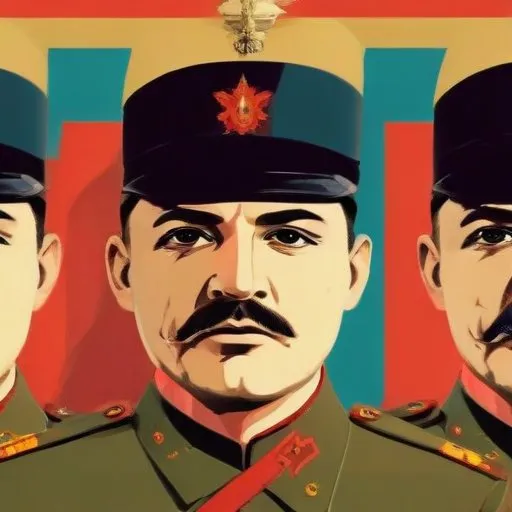
A Polish soldier, journalist, and author who wrote about his experiences in World War II, including the Warsaw Uprising, providing a unique perspective on the war. His works are considered essential reading for understanding Poland's history during that period.
Melchior Wakowicz was a Polish army officer, writer, and journalist who made a name for himself as a war correspondent for the Polish Armed Forces in the West during World War II. His most famous book, an account of the battle of Monte Cassino, cemented his status as a renowned journalist and writer.
Melchior Wakowicz was born on January 10, 1892, in Kaluyce, Minsk Governorate, Russian Empire (now Kolyuzhitsa, Byerazino Raion, Minsk Region, Belarus). He attended school in Warsaw and later graduated from the Jagiellonian University in Krakow in 1922. Wakowicz was an activist in the Polish independence movement and served as an officer in the Riflemen Union Zwizek Strzelecki.
Wakowicz's journalism career spanned several decades, during which he worked as a journalist, publisher, and advertiser. In 1926, he founded a publishing agency, Rj, and later worked as a chief of the press department in the Polish Ministry of Internal Affairs. His writing career took off during the interwar period, with the publication of three books that gained him increasing fame and popularity.
Wakowicz was also a skilled advertiser, coining popular slogans such as "Cukier krzepi" (Sugar Invigorates) and "LOTem bliej" (Closer with LOT), advertising the Polish LOT airlines.
In 1943, Wakowicz became a war correspondent for the Polish Armed Forces in the West, a role that would define his career. His experiences during this time inspired his most famous book, an account of the battle of Monte Cassino.
The book, which chronicles the brutal and decisive battle fought during World War II, is a testament to Wakowicz's bravery and skill as a journalist. The book has become a classic of Polish war literature and cemented Wakowicz's status as a renowned journalist and writer.
Wakowicz's personal life was marked by tragedy, including the death of his daughter Krystyna, a member of the Polish resistance Armia Krajowa, during the Warsaw uprising in 1944.
From 1949 to 1958, Wakowicz lived in the United States before returning to communist Poland. Despite the challenges he faced, Wakowicz continued to write and oppose the communist regime.
Melchior Wakowicz's contributions to Polish journalism and literature are immeasurable. His bravery as a war correspondent and his skill as a writer have inspired generations of journalists and writers.
Today, Wakowicz's legacy serves as a reminder of the power of journalism and the importance of telling the stories of those who have shaped our world.
