


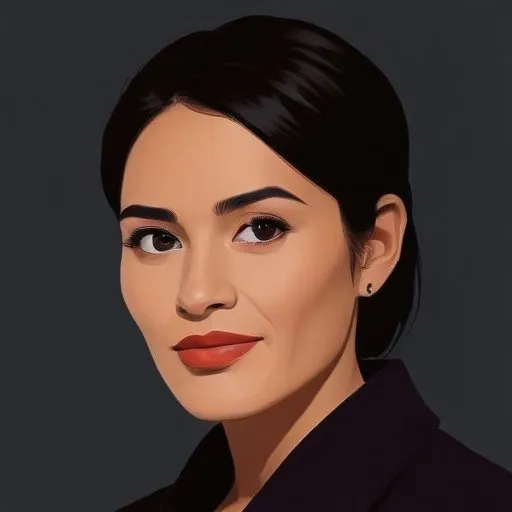
A pioneering M?ori filmmaker who broke barriers in the New Zealand film industry, creating powerful documentaries and feature films that showcased indigenous voices and stories.
Merata Mita, a trailblazing New Zealand filmmaker, producer, and writer, left an indelible mark on the country's film industry by being the first indigenous woman to solely write and direct a dramatic feature film, Mauri, in 1988. This groundbreaking achievement cemented her status as a key figure in the growth of the Māori screen industry.
Born on June 19, 1942, in Maketu, Bay of Plenty, New Zealand, Mita grew up in a traditional rural Māori environment as the third of nine children. Her upbringing in the iwi of Ngāti Pikiao and Ngāi Te Rangi instilled in her a deep connection to her cultural heritage.
Mita's foray into filmmaking began with her work as a teacher at Kawerau College, where she used film and video to engage with students who were deemed "unteachable." She discovered that these visual mediums enabled her students to express themselves through various art forms, echoing the oral storytelling traditions of her Māori upbringing. This experience sparked her interest in filmmaking as a means to share indigenous stories.
Starting as a liaison person on film crews, Mita worked her way up to become a sound assistant and recordist, eventually earning recognition for her contributions to the film industry. Her exposure to foreign filmmakers telling Māori stories motivated her to become a filmmaker herself, taking control of the narrative.
In 1990, Mita relocated to Hawaii, where she taught documentary filmmaking at the University of Hawaiʻi at Mānoa. Her work was instrumental in shaping the concept of Fourth Cinema, a term coined by New Zealand filmmaker Barry Barclay to describe indigenous cinema created by indigenous filmmakers for indigenous audiences.
Mita's trailblazing spirit was evident in her feature film, Mauri, which premiered in 1988. This accomplishment solidified her position as a pioneer in the New Zealand film industry, paving the way for future generations of indigenous filmmakers.
Merata Mita's legacy extends beyond her filmmaking achievements, inspiring a new wave of Māori and Pacific Islander storytellers to take control of their own narratives. Her work has contributed significantly to the growth of the Māori screen industry, enriching New Zealand's cultural landscape.
Merata Mita's remarkable life and achievements serve as a testament to the power of perseverance, creativity, and cultural pride. Her influence will continue to resonate throughout the film industry, inspiring new generations of storytellers to share their unique perspectives with the world.
62 Years Old
Academy Award-winning actor renowned for intense, nuanced performances in films like Gladiator and A Beautiful Mind. He's a household name in Hollywood, synonymous with dramatic, Oscar-bait roles.
72 Years Old
Academy Award-winning filmmaker behind poignant, visually stunning dramas that explore human relationships and the female experience, known for her nuanced storytelling and strong female protagonists.
80 Years Old
Acclaimed filmmaker behind iconic movies like "No Way Out" and "Cocktail", known for his versatility in directing a wide range of genres.
76 Years Old
A New Zealand film director known for directing the 2002 James Bond film "Die Another Day" and other notable films like "Once Were Warriors".
51 Years Old
Acclaimed director, screenwriter, and actor behind quirky, offbeat films like Thor: Ragnarok and What We Do in the Shadows, blending humor and pathos with visual flair.
