


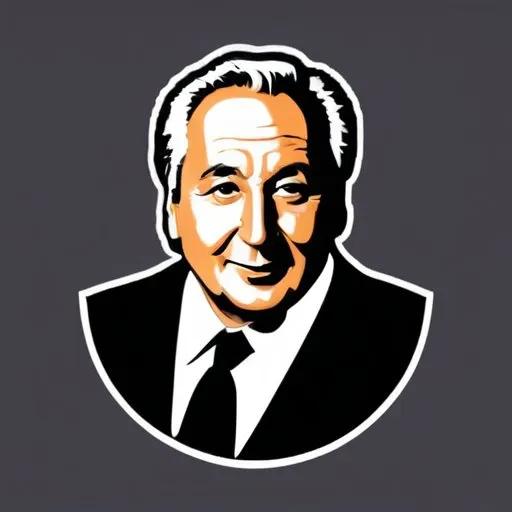
A renowned filmmaker behind iconic British gangster movies and comedies, known for his distinctive style and collaborations with actors like Charles Bronson.
Michael Winner, a British filmmaker, writer, and media personality, is best known for directing a string of action, thriller, and black comedy films that captivated audiences in the 1960s, 1970s, and 1980s. His collaborations with actors Oliver Reed and Charles Bronson are still talked about today, and his films continue to inspire and influence new generations of filmmakers.
Winner was born on October 30, 1935, in Hampstead, London, to Jewish parents George Joseph Winner and Helen (née Zlota). His father was a businessman and company director, responsible for running a branch of the Winner's clothing chain founded by his father. Winner's education took him to St Christopher School, Letchworth, and later to Downing College, Cambridge, where he read law and economics.
During his time at Cambridge, Winner edited the university's student newspaper, Varsity, and was the youngest ever editor up to that time. He had earlier written a newspaper column, showcasing his talent and passion for writing from an early age.
Winner's film career spanned over four decades, with some of his most notable works including:
Winner was a regular fixture on British television, appearing on various talk programs and publishing a restaurant review column for The Sunday Times. He was also a founder of the Police Memorial Trust, demonstrating his commitment to giving back to the community.
Winner's personal life was marked by controversy, including his mother's reckless gambling and the loss of a significant inheritance. Despite these challenges, he remained a prolific and influential filmmaker until his passing on January 21, 2013.
Michael Winner's impact on British cinema and popular culture is still felt today. His innovative and often provocative approach to filmmaking inspired a generation of directors, and his legacy continues to inspire and entertain audiences around the world.
In conclusion, Michael Winner's contributions to British cinema, media, and philanthropy are a testament to his boundless energy, creativity, and generosity. His legacy continues to inspire and entertain, cementing his place as one of the most fascinating and influential figures in British popular culture.
Born in 1921
A tough-guy actor and decorated war hero, known for starring in iconic films like "Death Wish" and "The Great Escape".
Born in 1924
A cultural icon who revolutionized acting with his intense, nuanced performances, earning him numerous accolades, including two Oscars. He's synonymous with iconic roles in "A Streetcar Named Desire" and "The Godfather".
86 Years Old
Iconic actor and director renowned for intense, gritty performances in films like "The Godfather" and "Scarface", leaving an indelible mark on the cinematic landscape.
83 Years Old
Academy Award-winning actor, entrepreneur, director, and producer, renowned for iconic roles in films like "Taxi Driver" and "Raging Bull", and his versatility in both dramatic and comedic performances.
83 Years Old
Acclaimed filmmaker behind gritty, intense, and visually stunning movies that often explore themes of redemption, faith, and the human condition, with a distinctive directing style that blends violence and artistry.
87 Years Old
Academy Award-winning filmmaker behind epic movies like The Godfather and Apocalypse Now, known for his groundbreaking storytelling and direction.
86 Years Old
Acclaimed filmmaker behind suspenseful and stylish thrillers, often exploring themes of obsession, identity, and the darker aspects of human nature. His work often features elaborate set pieces and a blend of horror and humor.
63 Years Old
A mastermind behind cult-classic films, blending stylized violence, dark humor, and non-linear storytelling, creating a distinctive cinematic experience. Known for iconic movies like Pulp Fiction and Reservoir Dogs.
