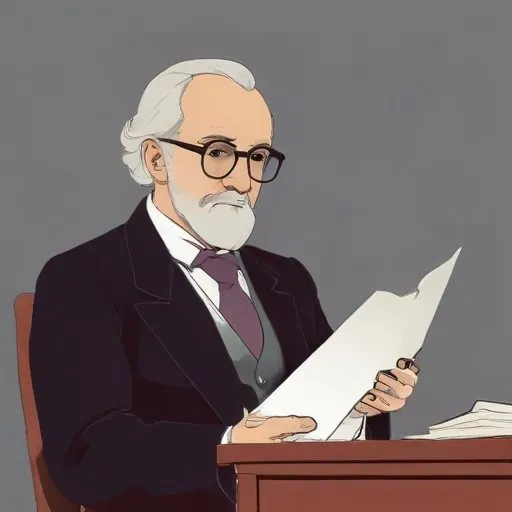
Morton Bard

Morton Bard

Morton Bard was born on March 7th, 1924

Profession: Psychologist
Nationality: American
Full Name: Morton Bard
Born: 1924
Died: 1997
Notable Work: The Control of Human Behavior
Field: Clinical Psychology
Education: Columbia University

Developed the Transactional Analysis (TA) theory, which explores how people interact with each other through ego states, and is still widely used in psychotherapy and counseling today.

Timeline
1924
Born in New York City
Morton Bard was born in New York City, New York, USA. He would go on to become a renowned American psychologist.
1949
Graduated from the University of Pennsylvania
Bard graduated from the University of Pennsylvania with a degree in psychology. He went on to pursue his graduate studies, focusing on social psychology and psychotherapy.
1955
Earned his PhD in psychology
Bard earned his PhD in psychology from the University of Pennsylvania, with a dissertation on the topic of anxiety and social behavior.
1961
Published The Simulation of Human Behavior
Bard published The Simulation of Human Behavior, a seminal work on the use of simulation techniques in psychology research.
1997
Passed away
Morton Bard passed away at the age of 73, remembered as a pioneering American psychologist.
Morton Bard

Morton Bard Quiz

Morton Bard is known for developing which psychological theory?

Score: 0/5
FAQ
What was Morton Bards area of expertise in psychology?
Morton Bard was an American psychologist who specialized in the field of personality psychology, with a focus on anxiety and stress research.
What was Morton Bards most notable research on anxiety?
Morton Bards most notable research on anxiety focused on the role of cognitive appraisal in anxiety disorders, and he developed the Cognitive Appraisal Theory (CAT) to explain the process.
How did Morton Bard contribute to the development of stress management techniques?
Morton Bard contributed to the development of stress management techniques by identifying the importance of cognitive appraisal in stress response, and developing interventions to improve coping skills and resilience.
What awards and recognition did Morton Bard receive for his work?
Morton Bard received numerous awards and recognition for his contributions to psychology, including the American Psychological Associations Distinguished Scientific Contribution Award.
What is Morton Bards legacy in the field of psychology?
Morton Bards legacy in psychology is significant, as he helped shape our understanding of anxiety and stress, and developed interventions to improve mental health outcomes. His work continues to influence research and practice in the field.

Related People:

B. F. Skinner

Born in 1904

Developed the theory of operant conditioning, which explores the relationship between behavior and environment, and invented the "Skinner box" to study learning and behavior.

Albert Bandura

Born in 1925

Developed the theory of social learning, which suggests that people learn new behaviors by observing and imitating others, and is known for his Bobo doll experiment.

Jean Piaget

Born in 1896

Developed groundbreaking theories on child cognitive development and learning, emphasizing active discovery and hands-on experience. His work has shaped modern education and parenting practices.

Erik Erikson

Born in 1902

Developed the theory of psychosocial development, which proposes that individuals go through eight stages of development from infancy to old age, each with its own unique challenges and opportunities. His work has had a significant impact on our understanding of human development and identity formation.

Sigmund Freud

Born in 1856

Pioneering psychoanalyst who developed theories on the subconscious mind, childhood experiences, and the structure of personality, revolutionizing our understanding of human behavior and psychology.

Carl Jung

Born in 1875

Developed the concept of collective unconscious and archetypes, and founded analytical psychology, which emphasizes the integration of opposites and the process of individuation.

Abraham Maslow

Born in 1908

Developed the Hierarchy of Needs, a pyramid-shaped model that prioritizes human needs, from basic physiological needs to self-actualization and personal growth. His work focuses on human motivation and the pursuit of happiness.

Erich Fromm

Born in 1900

A German psychologist and sociologist who developed the concept of "social character" and explored the relationship between psychology and society, known for his humanistic and socialist approach.