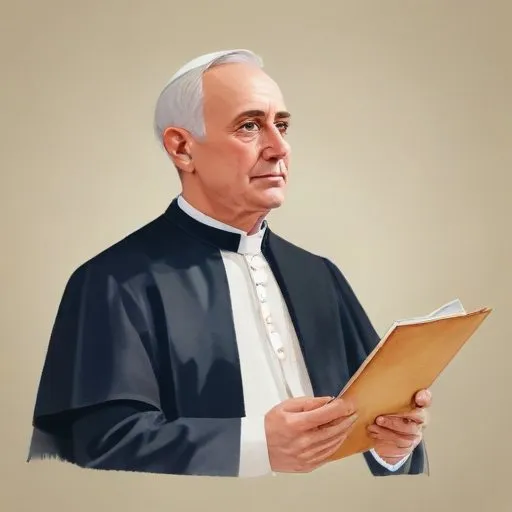
Nathaniel Woodard

Nathaniel Woodard

Nathaniel Woodard was born on March 21st, 1811

Full Name: Nathaniel Woodard
Nationality: English
Occupation: Priest, Educator
Notable Institution: Lancing College
Founding: 1848
Influenced By: Anglicanism
Residence: Sussex, England
Title: Revd

Founded a series of English independent schools emphasizing Christian values, social responsibility, and academic excellence, leaving a lasting impact on British education.

Timeline
1811
Birth in England, UK
Nathaniel Woodard was born on June 21, 1811, in England, UK, to a family of modest means.
1838
Ordained as Anglican Priest
Woodard was ordained as an Anglican priest, marking the beginning of his career as an educator and clergyman.
1843
Founds St. Augustines College
Woodard founded St. Augustines College, a prestigious boarding school in Kent, England, which would become a model for subsequent educational institutions.
1881
Death in England, UK
Nathaniel Woodard died on April 25, 1881, at the age of 69, leaving behind a legacy of educational innovation and reform.
Nathaniel Woodard

Nathaniel Woodard Quiz

Nathaniel Woodard's schools emphasized which of the following values?

Score: 0/5
FAQ
What was Nathaniel Woodards contribution to education?
Nathaniel Woodard was a pioneer in education, and his contribution was immense. He founded 11 schools, including Lancing College, Ardingly College, and Hurstpierpoint College, which focused on providing education to the middle class. His aim was to make quality education accessible to all.
What was Nathaniel Woodards role in the Church of England?
Nathaniel Woodard was an English priest who played a significant role in the Church of England. He was a strong advocate for the importance of prayer and the need for spiritual revival. Woodards work was instrumental in shaping the Churchs approach to education and social welfare.
What inspired Nathaniel Woodards educational reforms?
Nathaniel Woodards educational reforms were inspired by his concern for the lack of accessible and affordable education for the middle class. He believed that education should be based on Christian principles and should focus on developing the whole person, including intellectual, moral, and spiritual growth.
How did Nathaniel Woodards schools differ from others?
Nathaniel Woodards schools differed from others in that they were designed to provide a well-rounded education that included not only academic subjects but also character-building activities, sports, and music. His schools aimed to produce well-rounded individuals who could make a positive impact in society.
What is Nathaniel Woodards legacy in education?
Nathaniel Woodards legacy in education is profound. He paved the way for the development of middle-class education, and his schools became a model for others to follow. Today, his schools continue to thrive, and his vision for education remains an inspiration to educators around the world.

Related People:

John Henry Newman

Born in 1801

A leading figure in the Oxford Movement, he was a prominent theologian and philosopher who converted to Catholicism, influencing Christian thought and education. He's also known for his poetry and hymns.

Charles Kingsley

Born in 1819

A priest, historian, and author who wrote influential novels and historical works, including "The Water-Babies" and "Hypatia", which explored social and theological issues.

Fanny Kemble

Born in 1809

A renowned 19th-century thespian, playwright, and poet, celebrated for her powerful stage presence and literary works that explored social issues and women's rights.

Anthony Trollope

Born in 1815

A prolific writer of novels, essays, and short stories, known for his insightful portrayals of Victorian society and politics. His works are still widely read and adapted today.

Charles Dickens

Born in 1812

A renowned author of timeless classics, crafting vivid stories that exposed social injustices and explored the human condition, leaving an indelible mark on literature.

Florence Nightingale

Born in 1820

Pioneering nurse and statistician who revolutionized healthcare by introducing sanitation practices and data-driven decision making, becoming the founder of modern nursing.