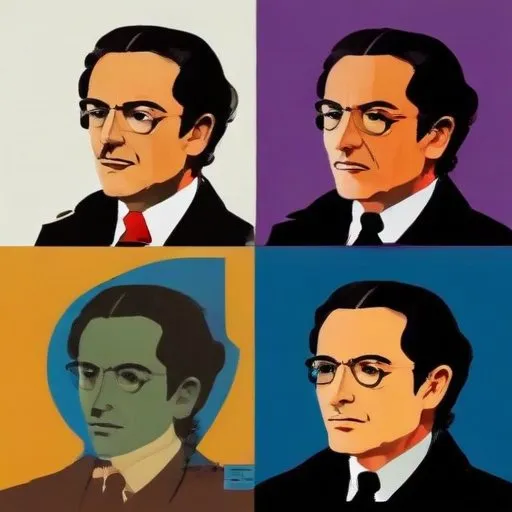
Nicola Sala

Nicola Sala

Nicola Sala was born on April 7th, 1713

Full Name: Nicola Sala
Place of Birth: Italy
Occupation: Composer and Theorist
Notable Work: Regole del contrapunto pratico
Nationality: Italian
Active Years: 1713-1801
Influenced By: Johann Joseph Fux
Style: Baroque

A prominent figure in 18th-century music, this composer and theorist made significant contributions to the development of harmony and counterpoint, leaving a lasting impact on classical music.

Timeline
1713
Born in Nicastro
Nicola Sala was born in Nicastro, Italy, to a family of musicians
1730
Studied Music in Naples
Sala studied music in Naples, where he learned from prominent composers of the time
1745
Published Treatise
Sala published a treatise on music theory, which became a widely-used textbook
1775
Composed Opera
Sala composed an opera, Il filosofo convinto, which premiered in Naples
1803
Died in Naples
Nicola Sala died at the age of 90 in Naples, Italy
Nicola Sala

Nicola Sala Quiz

Nicola Sala's contributions to music primarily focused on which aspects?

Score: 0/5
FAQ
What were Nicola Salas, contributions to Italian music?
Nicola Sala was a significant figure in Italian music, known for his compositions and his work as a music theorist. He wrote several important works on music theory and was a prominent teacher and performer.
What style of music did Nicola Sala compose?
Nicola Sala composed music in a variety of styles, including opera, sacred music, and instrumental works, reflecting the diversity of Italian music during the late Baroque period.
What was Nicola Salas, relationship like with other Italian composers?
Nicola Sala was part of a vibrant community of Italian composers, including Alessandro Scarlatti and Antonio Vivaldi, with whom he exchanged ideas and collaborated on musical projects.
What were Nicola Salas, views on music education?
Nicola Sala believed in the importance of music education, writing several influential treatises on music theory and teaching many students who went on to become prominent musicians in their own right.
How is Nicola Sala remembered in Italian music history?
Nicola Sala is remembered as a talented composer, dedicated teacher, and important contributor to the development of Italian music during the late Baroque period.

Related People:

Gioachino Rossini

Born in 1792

Operatic mastermind behind iconic comedies like "The Barber of Seville" and "William Tell," crafting catchy, witty, and playful music that still delights audiences today.

Gaetano Donizetti

Born in 1797

A renowned Italian composer of the Romantic era, best known for his operas, particularly "L'elisir d'amore" and "Don Pasquale", which are still widely performed today.

Vincenzo Bellini

Born in 1801

Operatic mastermind behind bel canto classics like "Norma" and "La Sonnambula", renowned for their beautiful, expressive melodies and dramatic flair.

Niccolò Paganini

Born in 1782

A virtuosic violinist and composer who revolutionized the instrument's technical possibilities, leaving an indelible mark on classical music.

Franz Liszt

Born in 1811

A virtuosic pianist and composer who revolutionized classical music with his technically demanding and emotionally expressive works, blending Hungarian folk influences with Romantic-era drama.

Frédéric Chopin

Born in 1810

A Polish pianist and composer renowned for his delicate, expressive, and technically demanding piano music that evokes deep emotions and continues to inspire generations of musicians and music lovers. His nocturnes, waltzes, and preludes are staples of classical music.

Robert Schumann

Born in 1810

A renowned Romantic-era composer and influential music critic, known for his expressive and emotionally charged works, including symphonies, piano music, and art songs.

Felix Mendelssohn

Born in 1809

A renowned 19th-century musician who masterfully blended classical and romantic styles, creating iconic works like the "Wedding March" and "Elijah" oratorio. His compositions continue to inspire and influence generations of artists.