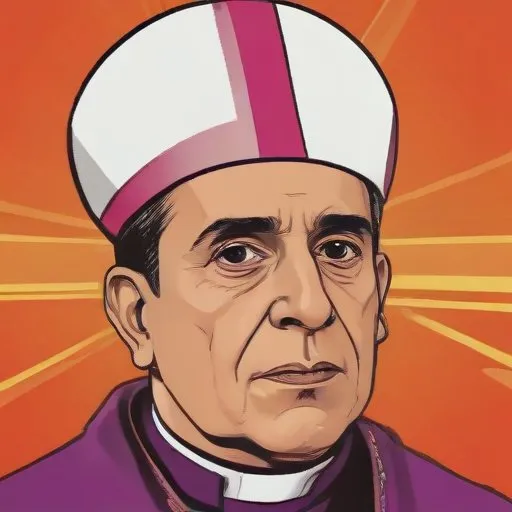
Pascual Díaz y Barreto

Pascual Díaz y Barreto

Pascual Díaz y Barreto was born on June 22nd, 1876

Full Name: Pascual Díaz y Barreto
Nationality: Mexican
Profession: Archbishop
Place of Birth: Mexico
Notable Work: Mexican Church
Religion: Catholic
Occupation: Clergy
Known For: Mexican Archbishop

A 19th-century Mexican Catholic Church leader who played a key role in the country's religious and political landscape, particularly during the Reform War. He's remembered for his efforts to maintain the Church's influence amidst liberal reforms.

Timeline
1875
Birth of Pascual Díaz y Barreto
Pascual Díaz y Barreto was born on August 22, 1875, in Mexico City, Mexico. He would go on to become a Mexican archbishop.
1903
Ordained as priest
Díaz y Barreto was ordained as a priest in 1903, starting his service to the Catholic Church.
1923
Appointed as bishop
Díaz y Barreto was appointed as the bishop of Tabasco in 1923, a position that demonstrated his growing influence in the Church.
1931
Appointed as archbishop
Díaz y Barreto was appointed as the archbishop of Mexico City in 1931, a prestigious position that recognized his dedication to the Church.
1936
Death of Pascual Díaz y Barreto
Pascual Díaz y Barreto passed away on May 19, 1936, at the age of 60, leaving behind a legacy as a devoted Mexican archbishop.
Pascual Díaz y Barreto

Pascual Díaz y Barreto Quiz

Pascual Díaz y Barreto's role in Mexican history was significant during which conflict?

Score: 0/5
FAQ
What was Pascual Díaz y Barretos role in the Catholic Church?
Pascual Díaz y Barreto was a Mexican archbishop who played a significant role in the Catholic Church, serving as the Archbishop of Mexico from 1929 to 1936.
What were Pascual Díaz y Barretos main accomplishments as archbishop?
Pascual Díaz y Barretos main accomplishments as archbishop included promoting Catholic education, supporting Catholic social movements, and advocating for the rights of the Catholic Church in Mexico.
How did Pascual Díaz y Barreto respond to the Mexican Revolution?
Pascual Díaz y Barreto responded to the Mexican Revolution by advocating for the rights of the Catholic Church and promoting Catholic social movements, while also maintaining a cautious relationship with the government.
What was Pascual Díaz y Barretos stance on church-state relations?
Pascual Díaz y Barretos stance on church-state relations was that of careful negotiation, seeking to maintain the autonomy of the Catholic Church while also cooperating with the government on matters of social welfare and education.
What is Pascual Díaz y Barretos legacy in Mexican Catholicism?
Pascual Díaz y Barretos legacy in Mexican Catholicism is that of a strong leader who navigated the complexities of church-state relations during a tumultuous period in Mexican history, while promoting Catholic education and social welfare.

Related People:

José María Morelos

Born in 1765

A Mexican priest who led the country's war for independence from Spain, known for his bravery and strategic military tactics. He's considered a national hero in Mexico.

Miguel Hidalgo y Costilla

Born in 1753

A Mexican priest who sparked the country's war for independence from Spain with his famous "Grito de Dolores" cry for freedom, leading a rebellion against colonial rule.

Emiliano Zapata

Born in 1879

Led a peasant uprising against the Mexican government, fighting for land reform and social justice, and is now a symbol of the Mexican Revolution.

Venustiano Carranza

Born in 1859

A Mexican revolutionary leader who served as president from 1917 to 1920, known for his role in the Mexican Revolution and drafting the country's 1917 constitution.

Álvaro Obregón

Born in 1880

Mexican general and politician who served as the 39th President of Mexico, known for his role in the Mexican Revolution and his efforts to modernize the country. He's also famous for losing his right arm in battle and continuing to serve as president.

Plutarco Elías Calles

Born in 1877

Mexican revolutionary leader who served as president from 1924 to 1928, known for implementing secular and anti-clerical policies, including restricting the Catholic Church's power. He also founded the National Revolutionary Party, which later became the dominant party in Mexico.

Lázaro Cárdenas

Born in 1895

A Mexican revolutionary general who served as president, implementing significant land reforms and nationalizing the oil industry, and father of a prominent politician.