


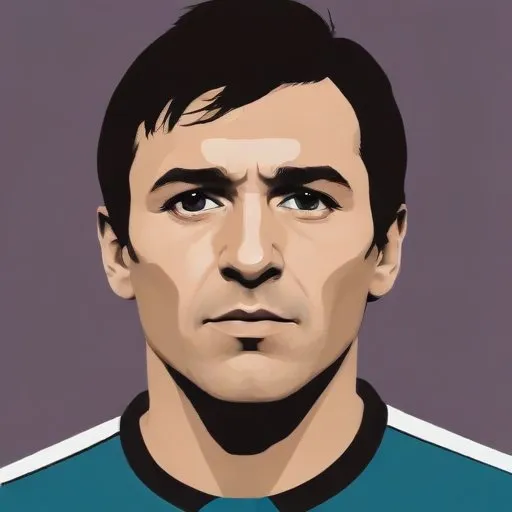
A versatile and accomplished defender who played for Leeds United and the English national team, earning 24 caps and winning the 1969 First Division title.
Paul Madeley, a renowned English footballer, is best known for his exceptional versatility on the pitch, earning him the nickname "The Eleven Pauls." During his illustrious career with Leeds United and the England national team, Madeley demonstrated his ability to adapt to any position, playing in every role except goalkeeper.
Born on September 20, 1944, in Beeston, Leeds, West Riding of Yorkshire, Madeley's passion for football began at a young age. He signed with non-league Farsley Celtic before joining Leeds United in May 1962. Madeley made his debut for Leeds in January 1964, following injuries to Freddie Goodwin and Jack Charlton, and soon became a regular in the team from 1966 onwards.
What set Madeley apart from his peers was his remarkable ability to play in various positions. During his Leeds United career, he wore every shirt from No. 2 to No. 11 and occasionally No. 12. Madeley's adaptability meant that he was often preferred over specialists in specific positions, particularly when other players were injured or suspended.
Madeley's selfless approach to the game, often putting the team's needs before his own, earned him immense respect from his peers and fans. His willingness to adapt to different roles demonstrated a deep understanding of the game and a commitment to the team's success.
Madeley's remarkable career has inspired generations of footballers, coaches, and fans alike. His legacy extends beyond the pitch, as he has become an iconic figure in English football history, symbolizing the importance of teamwork, adaptability, and dedication.
In addition to his on-field achievements, Madeley's life was marked by personal milestones, including his marriage and the birth of his children. He remained humble and grounded throughout his career, earning the admiration of those who knew him.
Paul Madeley's impact on English football is undeniable. His remarkable versatility, selflessness, and dedication to the game have left an indelible mark on the sport. As a testament to his enduring legacy, Madeley's story continues to inspire and motivate new generations of football enthusiasts.
Paul Madeley passed away on July 23, 2018, leaving behind a rich legacy in the world of English football. His remarkable career and inspiring personal story will continue to be celebrated and cherished by fans around the world.
88 Years Old
A legendary English footballer and manager who won the Ballon d'Or in 1966 and led Manchester United to numerous titles, including the European Cup. He's a national hero and icon in English football.
80 Years Old
A mercurial winger and attacking midfielder who dazzled fans with his pace, skill, and goalscoring ability, earning him the nickname "the fifth Beatle" for his rockstar-like status.
91 Years Old
A legendary footballer and manager who led the Republic of Ireland to unprecedented success in major tournaments, earning iconic status in Irish football history.
84 Years Old
A World Cup-winning midfielder and manager, known for his tenacious playing style and iconic toothless grin.
85 Years Old
A legendary English footballer and captain who led his team to win the 1966 World Cup, known for his exceptional defensive skills and leadership on the pitch.
88 Years Old
Legendary goalkeeper who made an iconic save from Pele's header in the 1970 World Cup, earning him a place in football history.
82 Years Old
A skilled midfielder who won the 1966 World Cup with England and scored in the final, known for his creative playing style and vision on the pitch.
84 Years Old
Scored the winning goal in the 1966 World Cup Final, cementing England's victory and becoming a national hero. 42
