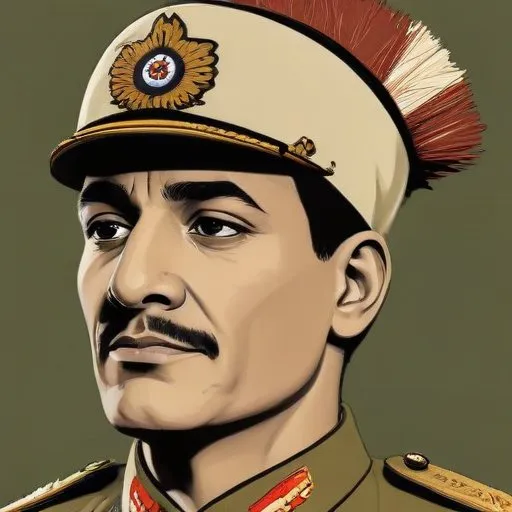
Sir Percy Zachariah Cox: The Architect of the Modern Middle East
A Life of Service and Adventure
Sir Percy Zachariah Cox, a British Indian Army officer and Colonial Office administrator, is renowned for his instrumental role in shaping the modern Middle East. As a key figure in the creation of the region's current political landscape, Cox's life was marked by a series of remarkable achievements, from his early days as a young officer in India to his later role as a statesman in the Middle East.
Early Life and Education
Born on November 20, 1864, in Herongate, Essex, Cox was one of seven children to Julienne Emily and Arthur Zachariah Cox. Educated at Harrow School, Cox developed a passion for natural history, geography, and travel. This curiosity about the world would later shape his career and inform his decision-making as an administrator.
Military and Administrative Career
In 1884, Cox joined the Royal Military College, Sandhurst, and was commissioned as a Lieutenant into the Cameronians. He served in India, transferring to the Bengal Staff Corps in 1889. His early administrative appointments in Kolhapur and Savantvadi, India, laid the foundation for his later success in the Middle East.
Rise to Prominence in British Somaliland and Muscat
Cox's big break came in 1893 when he was posted to British Somaliland as Assistant Political Resident at Zeila. He transferred to Berbera in 1894 and was promoted to captain in 1895. Later that year, he led a successful expedition against the Rer Hared clan, which had blocked trade routes and was raiding the coast. This victory established Cox as a skilled and effective leader.
In 1899, Cox was appointed Political Agent and consul at Muscat, Oman, where he navigated a complex web of relationships between the British, French, and Arabs. His success in this role cemented his reputation as a skilled diplomat and administrator.
Legacy in the Middle East
Cox's most significant contribution to the modern Middle East was his role in the creation of the current political landscape. As a key figure in the British administration, he played a crucial role in the formation of modern nation-states, including Iraq, Jordan, and Oman. His influence extended beyond politics, shaping the region's economic and cultural development.
Personal Life and Milestones
In 1889, Cox married Louisa Belle, the youngest daughter of Irish-born surgeon-general
John Butler Hamilton. The couple had no children, but Cox's family life was marked by a strong sense of duty and service.
Philosophical Contributions and Beliefs
Cox's approach to administration was guided by a deep understanding of the local cultures and politics. He believed in the importance of collaboration and cooperation, often taking a nuanced and sensitive approach to conflict resolution. This approach earned him the respect of local leaders and cemented his reputation as a wise and effective administrator.
Influence on Modern Society
Cox's legacy extends far beyond his own lifetime. His role in shaping the modern Middle East has had a profound impact on global politics, economics, and culture. As the region continues to evolve, Cox's influence remains a significant factor in understanding the complexities of the modern Middle East.
Quotes and Memorable Sayings
Though Cox was not known for his public pronouncements, his actions spoke louder than words. His dedication to service, his passion for the region, and his commitment to collaboration have left a lasting impact on the Middle East.
Historical Context and Legacy
Cox's life and career were marked by a series of significant historical events, from the Scramble for Africa to the aftermath of World War I. His legacy is a testament to the enduring power of effective administration and the importance of understanding local cultures and politics.
Comparative Analysis with Contemporaries
Cox's contemporaries, including
Gertrude Bell and T.E. Lawrence, were also instrumental in shaping the modern Middle East. While they shared a deep passion for the region, Cox's approach was distinct, marked by a focus on collaboration and cooperation.
Trivia and Fun Facts
- Cox was an accomplished naturalist and collector, with a particular interest in birds and botany.
- He was a skilled linguist, speaking several languages, including Arabic, Persian, and Hindi.
- Cox was known for his love of books and reading, often carrying a large library with him on his travels.
Conclusion
Sir Percy Zachariah Cox was a man of remarkable talent, dedication, and vision. His life and legacy continue to shape our understanding of the modern Middle East, reminding us of the importance of collaboration, cooperation, and cultural sensitivity in international relations.