


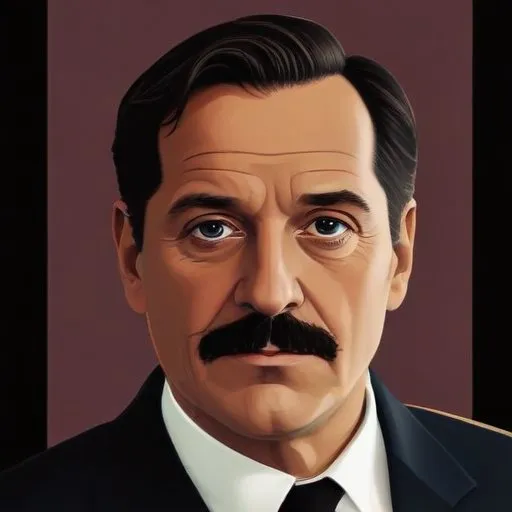
A German filmmaker behind numerous documentaries and feature films, exploring themes of social justice and human rights, leaving a lasting impact on the cinematic world.
Peter Krieg, a renowned documentary filmmaker, producer, and writer, left an indelible mark on the world of environmental filmmaking. He is best known for his thought-provoking documentaries that shed light on pressing ecological issues, earning him numerous accolades, including the German Film Award and the Adolf Grimme Prize for his film "September Wheat".
Born Wilhelm Walter Gladitz on August 27, 1947, in Schwbisch Gmnd, West Germany, Krieg's life took a dramatic turn when he abandoned his business and economics studies at Hamburg University to travel and teach horsemanship in Lebanon and Saudi Arabia. This experience significantly shaped his perspective on the world and its complexities.
Krieg's return to Germany marked the beginning of his filmmaking journey. He enrolled at the German Film and TV Academy (DFFB) in Berlin, where he met his first wife, Heidi Knott, with whom he collaborated on several early works. His films, often internationally distributed, tackled subjects such as environmental degradation, health, and social issues.
Krieg's passion for the environment led him to co-found the OEKOMEDIA Institute and Festival for Ecological Media in Freiburg, which he ran from 1982 to 2005. He also initiated the interActiva Festival for Interactive Media in Cologne-Babelsberg, showcasing his commitment to ecological awareness and education.
In the late 1980s, Krieg became fascinated with second-order cybernetics and radical constructivism, leading him to edit a book titled "Das Auge des Betrachters" (The Eye of the Viewer) in honor of Heinz von Foerster's 80th birthday. This intellectual curiosity reflects Krieg's continuous pursuit of innovative ideas and perspectives.
Krieg's impressive filmography includes:
These films, among others, demonstrate Krieg's dedication to exploring critical social and environmental issues.
Krieg's groundbreaking work earned him numerous awards, including the German Film Award and the Adolf Grimme Prize for "September Wheat".
Krieg's personal life was marked by two children and a self-proclaimed transformation from a "68 leftist-turned-libertarian". He resided in Berlin until his passing on July 22, 2009.
Peter Krieg's legacy extends far beyond his remarkable filmography. His commitment to environmental awareness and education continues to inspire future generations of filmmakers, activists, and citizens alike. His work serves as a testament to the power of storytelling in driving positive change and promoting a more sustainable future.
81 Years Old
A prolific filmmaker who explored themes of social inequality, identity, and human relationships through his provocative and emotionally charged movies, leaving an indelible mark on New German Cinema.
84 Years Old
A visionary filmmaker who explores the human condition through provocative, visually stunning, and often unconventional documentaries and feature films. Known for his intense, poetic, and philosophical storytelling style.
87 Years Old
German New Wave pioneer behind films like "The Tin Drum" and "Death of a Salesman", known for adapting literary classics into cinematic masterpieces.
84 Years Old
A pioneering female filmmaker who has made significant contributions to German New Wave cinema, known for her thought-provoking and emotionally charged films that explore the human condition.
81 Years Old
A renowned filmmaker acclaimed for his poignant and visually stunning works that often explore the human condition, particularly in the context of identity, culture, and social change.
93 Years Old
A pioneering filmmaker known for experimental, avant-garde works that challenge traditional narrative structures and explore the relationship between sound and image. His films often focus on the human condition, politics, and social issues.
