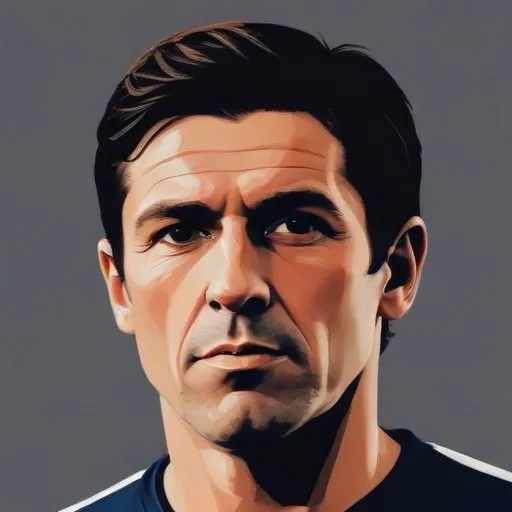
Phil Neal: The Unsung Hero of Liverpool's Golden Era
A Legacy Forged in the Heart of Anfield
Phil Neal is widely regarded as one of the most successful English footballers of all time, having won an astonishing eight First Division titles, four League Cups, five FA Charity Shields, four European Cups, one UEFA Cup, and one UEFA Super Cup during his eleven-year tenure at Liverpool. With a trophy cabinet overflowing with silverware, Neal's contributions to the Reds' golden era of the 1970s and 1980s are still revered by fans and pundits alike.
Early Years and Rise to Prominence
Born on February 20, 1951, in Northampton, England, Neal began his playing career at Wellingborough Town before joining Northampton Town in 1967. It was during his time at Northampton that Neal caught the eye of Liverpool manager
Bob Paisley, who signed him for £66,000 in 1974. Initially intended as a replacement for the ageing Chris Lawler, Neal soon made his mark at right-back, bringing an energetic and industrious approach to the team.
A Regular at Anfield
Neal made his Liverpool debut in the Merseyside derby against Everton at Goodison Park on November 16, 1974, in a goalless draw. He scored his first goal for the club almost exactly a year later, netting from the penalty spot in a 6-0 defeat of Real Sociedad in a UEFA Cup game at Anfield. This marked the beginning of a remarkable journey that would see Neal score crucial goals throughout Liverpool's history, earning him the nickname "Zico" in honor of the Brazilian playmaker.
International Success and Coaching Career
Neal's impressive form at Liverpool led to his selection for the England national team, where he earned 50 caps and played in the 1982 World Cup. Following his playing career, Neal went on to manage Bolton Wanderers, Coventry City, Cardiff City, and Manchester City, leading Bolton to victory in the Football League Trophy in 1989. He also served as England's assistant manager under
Graham Taylor.
Personal Milestones and Legacy
Neal's son, Ashley, followed in his father's footsteps, becoming a professional footballer in his own right. Away from the pitch, Neal has remained humble and dedicated to the sport, inspiring future generations of players and coaches alike. His dedication, work ethic, and natural talent have cemented his place as one of the most decorated and respected figures in English football history.
Awards and Honors:
- 8 First Division titles
- 4 League Cups
- 5 FA Charity Shields
- 4 European Cups
- 1 UEFA Cup
- 1 UEFA Super Cup
Notable Achievements:
- Scored in the 1977 European Cup Final
- Won the Football League Trophy as manager of Bolton Wanderers
- Served as England's assistant manager under Graham Taylor
A Lasting Impact on the Beautiful Game
Phil Neal's extraordinary career serves as a testament to his unwavering passion, commitment, and natural ability. As a player, he was a linchpin in Liverpool's dominant era, and as a coach, he instilled his values in the next generation of footballers. Today, Neal's legacy continues to inspire and influence the sport, solidifying his place as one of English football's all-time greats.
FAQ
What are Phil Neals most notable achievements in football?
Phil Neal is a highly decorated English footballer who won numerous titles with Liverpool, including four European Cups, seven League Championships, and one UEFA Cup. He also earned 50 caps for the English national team.
What position did Phil Neal play in football?
Phil Neal played as a right-back for Liverpool and the English national team, known for his attacking prowess and defensive solidity.
Who did Phil Neal manage in his coaching career?
Phil Neal managed Bolton Wanderers and Coventry City in the English football league, as well as several clubs in the Middle East and Asia.
What is Phil Neals legacy in English football?
Phil Neal is regarded as one of the greatest right-backs in Liverpools history, with his trophy-laden career and consistent performances earning him a place in the clubs hall of fame.
How many appearances did Phil Neal make for Liverpool?
Phil Neal made over 650 appearances for Liverpool between 1974 and 1985, making him one of the clubs most capped players of all time.