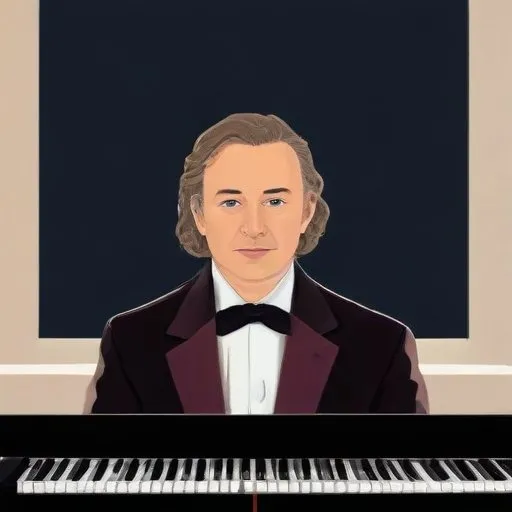
Sir Philip Ledger: The Maestro of Choral Music
A Legacy of Harmony and Excellence
Sir Philip Ledger, a renowned English classical musician, choirmaster, and academic, is best remembered for his remarkable tenure as Director of the Choir of King's College, Cambridge from 1974 to 1982, and as Principal of the Royal Scottish Academy of Music and Drama from 1982 to 2001. His exceptional talent, dedication, and innovative approach to choral music and education have left an indelible mark on the world of classical music.
A Life of Music and Academia
Born on December 12, 1937, in Bexhill-on-Sea, England, Ledger was educated at King's College, Cambridge, where he developed his passion for music and academia. His early appointments as Master of Music at Chelmsford Cathedral (1961) and Director of Music at the University of East Anglia (1965) showcased his prodigious talent and marked the beginning of a distinguished career.
A Association with the Aldeburgh Festival
In 1968, Ledger became an artistic director of the Aldeburgh Festival, working alongside
Benjamin Britten and Peter Pears. This collaboration led to numerous performances at the Snape Maltings, including the opening concert after its rebuilding and premieres of Britten's works. His association with the English Chamber Orchestra during this period further cemented his reputation as a conductor and innovator.
Director of Music at King's College, Cambridge
As Director of Music at King's College, Cambridge, Ledger led the Choir of King's College to new heights, producing an extensive range of recordings, and introducing the choir to international audiences in the United States, Australia, and Japan. His leadership during the Festival of Nine Lessons and Carols solidified the choir's reputation as one of the world's premier choral ensembles.
Principal of the Royal Scottish Academy of Music and Drama
In 1982, Ledger took on the role of Principal of the Royal Scottish Academy of Music and Drama, where he remained until his retirement in 2001. During his tenure, he oversaw significant developments in music education and nurtured a new generation of musicians.
Compositions and Arrangements
Ledger was a prolific composer and arranger, particularly renowned for his choral works. His compositions, characterized by innovative harmony and lyricism, have been performed and admired by audiences worldwide.
Personal Life and Legacy
Ledger married soprano Mary Erryl Wells in 1963, and the couple had two children, Tim and Kate. He is survived by his widow, children, and granddaughter Becky. Through his tireless dedication to music education and his remarkable body of work, Sir Philip Ledger has left a lasting impact on the world of classical music, inspiring future generations of musicians and music lovers.
"Music is the divine way to tell beautiful, poetic things to the heart." – Sir Philip Ledger
Trivia and Fun Facts
- Ledger was appointed Commander of the Order of the British Empire (CBE) in 1985.
- He was an honorary fellow of King's College, Cambridge, and the Royal College of Organists.
- Ledger's wife, Mary Erryl Wells, was a talented soprano who performed with the English Chamber Orchestra during his tenure as artistic director.
A Life of Harmony and Inspiration
Sir Philip Ledger's life was a testament to the transformative power of music and education. Through his unwavering dedication, innovative spirit, and remarkable talent, he has left an indelible mark on the world of classical music, inspiring countless musicians, composers, and music lovers. His legacy continues to resonate, a reminder of the beauty, harmony, and excellence that can be achieved through the pursuit of artistic passion.
FAQ
What is Philip Ledger known for in music?
Philip Ledger is a renowned English pianist, composer, and academic, known for his work as a performer, educator, and administrator in the classical music world.
What is Philip Ledgers role in music education?
Ledger has played a significant role in music education, serving as Director of the Royal College of Music and the Royal Academy of Music, and promoting music education at all levels.
What has Philip Ledger composed for the classical music repertoire?
Ledger has composed a significant body of work for the classical music repertoire, including choral, orchestral, and chamber music pieces, often featuring complex harmonies and textures.
What awards has Philip Ledger received for his contributions to music?
Ledger has received numerous awards for his contributions to music, including honorary doctorates, fellowships, and medals from esteemed music institutions and organizations.
What is Philip Ledgers legacy in classical music?
Ledgers legacy in classical music is that of a dedicated educator, performer, and composer who has enriched the classical music landscape with his innovative compositions, inspired teaching, and tireless advocacy.