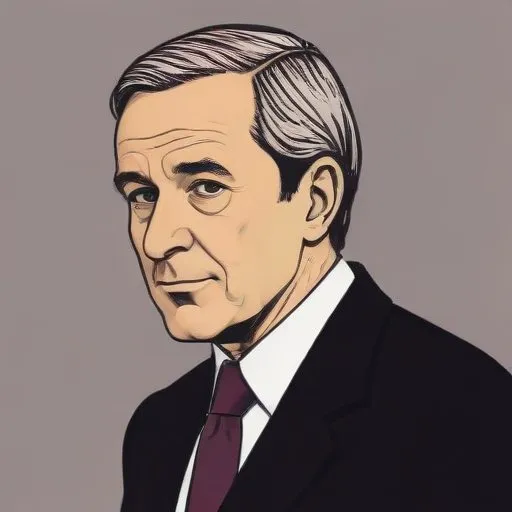
Philip Lucock: A Pillar of Australian Politics and Presbyterian Ministry
A Dedicated Public Servant and Devout Minister
Philip Lucock, a luminary in Australian politics and Presbyterian ministry, left an indelible mark on the nation's history. As a stalwart member of the Country Party, he represented the Division of Lyne in the House of Representatives from 1952 to 1980, earning the distinction of being the longest-serving Deputy Speaker, with a record-breaking tenure of over 13 years.
Early Life and Formative Years
Born on January 16, 1916, in Eltham, Kent, England, Philip Lucock was the second of three surviving children to Grace Miriam (née Bishop) and Alan Lucock. His early years were marked by the family's immigration to New Zealand in 1923, where they settled in various cities, including Dunedin, Timaru, and Christchurch. Lucock's father, Alan, worked as a shell gauger at the Royal Arsenal and later opened a hair salon, while his mother was a dressmaker's apprentice before her marriage.
In his formative years, Lucock attended Timaru Boys High School from 1929 to 1930 and Christchurch Technical College from 1930 to 1931. However, the Great Depression forced him to leave school at the age of 14 to assist the family business.
Pre-War Career and Military Service
Lucock's early career saw him work at a service station and later at James Hays department store in Christchurch. In 1937, he moved to Sydney, where he became a salesman at Anthony Hordern & Sons. His passion for ministry led him to pursue ministerial training, and in 1939, he became a home missionary in Paterson, New South Wales.
With the outbreak of World War II, Lucock joined the Royal Australian Air Force (RAAF) in 1941, training as a pilot at Somers, Victoria, and later in Rhodesia under the Empire Air Training Plan. However, he was diagnosed with a kidney disorder and was discharged in August 1942 with the rank of leading aircraftman.
Post-War Ministry and Political Career
Following his military service, Lucock resumed his ministry, serving as a home missionary at Wollomombi from 1943 to 1945 and later at Blacktown while studying at St Andrew's Theological Hall. He was ordained as a minister in 1948 and became the parish minister of Wingham.
In 1952, Lucock embarked on his political journey, representing the Division of Lyne for the Country Party in the House of Representatives. He went on to hold this seat for nearly three decades, earning a reputation as a dedicated public servant and devout minister. His impressive tenure as Deputy Speaker from 1963 to 1976 remains a testament to his remarkable political career.
Legacy and Honors
Philip Lucock's remarkable contributions to Australian politics and Presbyterian ministry have left an enduring legacy. He was appointed a Commander of the Order of the British Empire (CBE) in 1980 for his services to politics and the community. His dedication to public service and devotion to his faith continue to inspire generations.
- Lucock's commitment to his community and country earned him the respect and admiration of his peers and constituents alike.
- His remarkable tenure as Deputy Speaker remains a tribute to his remarkable political career.
- As a devoted minister, Lucock's life's work was a testament to his unwavering faith and dedication to serving others.
Personal Milestones and Key Life Events
- Lucock's family immigrated to New Zealand in 1923, marking a significant turning point in his life.
- He left school at the age of 14 to assist the family business during the Great Depression.
- Lucock's military service during World War II was cut short due to a kidney disorder diagnosis.
Lasting Impact
Philip Lucock's remarkable life and career serve as a testament to his unwavering dedication to public service, his faith, and the betterment of Australian society. His remarkable legacy continues to inspire generations, solidifying his place as a pillar of Australian politics and Presbyterian ministry.
FAQ
What was Philip Lucocks role in Australian politics?
Philip Lucock was an English-Australian minister and politician who served in the Australian Parliament from 1954 to 1972. He held several ministerial positions, including Minister for Immigration and Minister for Health.
What were Philip Lucocks views on immigration?
Philip Lucock was a strong supporter of immigration to Australia, believing it was essential for the countrys economic and population growth. He played a key role in shaping Australias immigration policies during the 1950s and 1960s.
What was Philip Lucocks contribution to Australian healthcare?
Philip Lucock made significant contributions to Australian healthcare, introducing several reforms and initiatives during his time as Minister for Health. He was particularly interested in improving healthcare services for rural and Indigenous Australians.
Did Philip Lucock hold any other public offices?
Yes, Philip Lucock held several other public offices, including Mayor of Fairfield and Chairman of the Commonwealth Immigration Advisory Council.
Is Philip Lucock remembered as a significant figure in Australian politics?
Yes, Philip Lucock is remembered as a significant figure in Australian politics, known for his commitment to immigration and healthcare reform, as well as his dedication to public service.