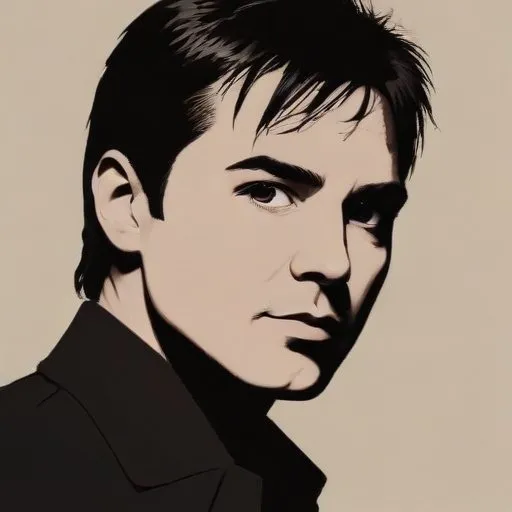
Philip Oakey: The Synthpop Icon and Voice of the Human League
A Legendary Career: Shaping the Sound of the 80s
Philip Oakey, the iconic lead singer, songwriter, and co-founder of the synthpop band the Human League, has left an indelible mark on the music industry. With a career spanning over four decades, Oakey has been the face and voice of the Human League, crafting some of the most enduring and iconic hits of the 80s.
A Visual Distinctiveness
Oakey's androgynous style, signature glasses, and distinctive vocals made him one of the most recognizable figures of the early 80s music scene. His unique blend of fashion, art, and music helped shape the era's aesthetic and sound.
Rise to Fame: The Human League and Beyond
The Human League's triple platinum-certified studio album
Dare (1981) catapulted Oakey to international stardom, with the multimillion-selling single "Don't You Want Me" reaching No. 1 in both the US and UK. This chart-topping hit remains one of the best-selling singles of all time, earning Oakey a place in music history.
"The Human League is not just a band, it's a way of life." – Philip Oakey
Solo Ventures and Collaborations
In addition to his work with the Human League, Oakey has enjoyed an extensive solo music career, collaborating with numerous artists and producers. His versatility and innovative approach have led to a wide range of projects, solidifying his reputation as a visionary and trailblazer in the music industry.
Early Life and Influences
Born on October 2, 1955, in Hinckley, Leicestershire, Oakey's multicultural heritage (Indian, Irish, and Malaysian) has had a significant impact on his creative perspective. His peripatetic childhood, moving between Coventry, Leeds, and Birmingham, exposed him to diverse musical influences, shaping his eclectic style.
Education and Early Career
Oakey attended King
Edward VII School in Sheffield, leaving without completing his exams to pursue various casual jobs. In 1977, he worked in a university bookshop and as a porter at Thornbury Annex Hospital in Sheffield, until his entry into the music world.
A Legacy of Innovation
With over 40 years as the lead vocalist of the Human League, Oakey has sold more than 20 million records worldwide, inspiring generations of musicians and fans alike. His innovative approach, coupled with his unique voice and style, has left an indelible mark on the music industry, cementing his status as a synthpop icon.
Impact on Pop Culture
Oakey's influence extends beyond the music world, with his fashion and artistic sensibilities influencing popular culture. His androgynous style and bold fashion choices have inspired countless artists, designers, and fans, making him a cultural icon of the 80s.
- Phil Oakey's iconic glasses have become a cultural symbol of the 80s.
- Oakey's distinctive vocals have been sampled and referenced by numerous artists.
- The Human League's music has been featured in various films, TV shows, and commercials, introducing their sound to new generations.
Continued Relevance and Inspiration
As the Human League continues to record and perform internationally, Oakey's legacy as a synthpop pioneer endures. His music remains a staple of 80s retro Nights, and his influence can be seen in contemporary artists and designers. Philip Oakey's remarkable career serves as a testament to the power of creativity, innovation, and artistic vision.
"The future is not about retro, it's about moving forward." – Philip Oakey
FAQ
What is Philip Oakeys role in The Human League?
Philip Oakey is the lead vocalist and founding member of the English synth-pop band The Human League, known for their hit songs like Dont You Want Me and Human.
What inspired Philip Oakeys music style?
Philip Oakeys music style was heavily influenced by Kraftwerk, David Bowie, and Roxy Music, which led to The Human Leagues unique blend of synth-pop and new wave.
What is Philip Oakeys songwriting process like?
Philip Oakey is known for his introspective and often melancholic songwriting style, which focuses on themes of love, relationships, and social commentary.
What are Philip Oakeys solo projects?
Philip Oakey has released several solo projects, including the album Philip Oakey & Giorgio Moroder, which featured the hit single Together in Electric Dreams.
How has Philip Oakey contributed to the music industry?
Philip Oakey has made significant contributions to the music industry, inspiring a generation of synth-pop and new wave artists, and collaborating with other notable musicians like Giorgio Moroder and Heaven 17.