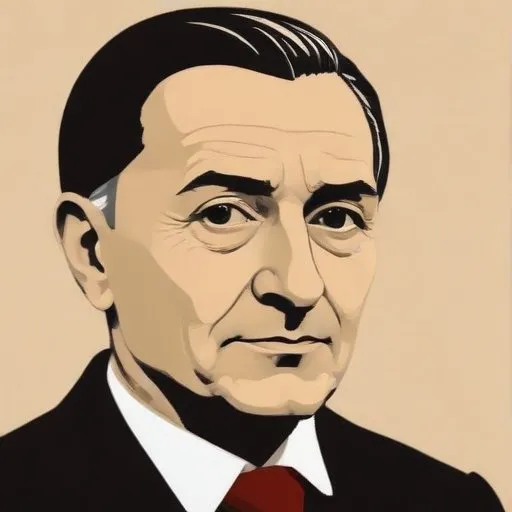
Pietro Gnocchi: A Renaissance Man of Music, History, and Geography
A Life of Boundless Creativity and Intellectual Pursuits
Pietro Gnocchi was an Italian composer, choir director, historian, and geographer of the late Baroque era, who left an indelible mark on the world of music, history, and geography. Born on February 27, 1689, in Alfianello, Italy, Gnocchi's life was a testament to his boundless creativity, intellectual curiosity, and passion for the arts and humanities.
The Early Years: A Foundation in Music and Religion
Gnocchi was the second of four sons born to a middle-class family. He received musical training from an early age and eventually became a priest. Following the death of his younger brother, Gnocchi embarked on a period of travel, studying music in Venice, Hungary, Vienna, and Munich. This exposure to different cultural and intellectual traditions would later inform his eclectic compositional style and intellectual pursuits.
A Life of Musical and Intellectual Pursuits
In 1723, Gnocchi was appointed maestro di cappella at Brescia Cathedral, a position he held until his death in 1775. During his tenure, he composed an abundance of sacred music, including 60 masses, many of which were Requiems, for four to eight voices, some with instruments. His compositions remained in manuscript form, with the exception of the title page and dedication for a 12-volume set of masses, the Salmi brevi.
Historical and Geographical Contributions
Gnocchi's intellectual pursuits extended beyond music to the realms of history and geography. He wrote a 25-volume history of ancient Greek colonies, a testament to his remarkable erudition and scholarly rigor. This monumental work, like his musical compositions, remained in manuscript form, awaiting discovery and recognition by future generations.
Influence on Modern Society
Gnocchi's contributions to music, history, and geography have had a lasting impact on modern society. His compositions, though largely unknown during his lifetime, have inspired generations of musicians and composers. His historical and geographical works have informed our understanding of the ancient world and its cultural heritage.
Awards and Honors
Gnocchi's dedication to his craft and intellectual pursuits earned him recognition and respect from his contemporaries. He was appointed maestro di cappella at Brescia Cathedral, a position he held for over 50 years, and later assumed the role of organist, a testament to his remarkable talent and versatility.
Legacy
Pietro Gnocchi's life and work serve as a testament to the power of creativity, intellectual curiosity, and passion. His compositions, historical and geographical writings, and dedication to his craft continue to inspire and educate us today, offering a glimpse into the rich cultural heritage of the Baroque era.
- "Music is the harmony of the universe, a reflection of the divine order." - Pietro Gnocchi
Timeline of Major Works and Events
- 1689: Born on February 27th in Alfianello, Italy
- 1723: Appointed maestro di cappella at Brescia Cathedral
- 1733: Unsuccessful bid to become an organist at Brescia Cathedral
- 1762: Reappointed maestro di cappella and assumes role of organist at Brescia Cathedral
- 1775: Died on December 9th at the age of 86
Gnocchi's life and work serve as a testament to the power of creativity, intellectual curiosity, and passion. His compositions, historical and geographical writings, and dedication to his craft continue to inspire and educate us today, offering a glimpse into the rich cultural heritage of the Baroque era.
FAQ
What was Pietro Gnocchis contribution to music?
Pietro Gnocchi was an Italian composer, director, and historian who made significant contributions to the development of Baroque music, particularly in the genre of opera.
What were Pietro Gnocchis most notable works?
Pietro Gnocchis most notable works include several operas, oratorios, and cantatas, which showcased his mastery of counterpoint and his innovative use of harmony.
What was Pietro Gnocchis relationship with the Medici family?
Pietro Gnocchi was closely tied to the Medici family, serving as a court composer and music director for the Grand Dukes of Tuscany.
How did Pietro Gnocchi die?
Pietro Gnocchi died in 1695, and the exact circumstances of his death are not well-documented.
What was Pietro Gnocchis legacy in music history?
Pietro Gnocchis legacy in music history is marked by his contributions to the development of Baroque music, particularly in the genre of opera, and his innovative use of harmony and counterpoint.