


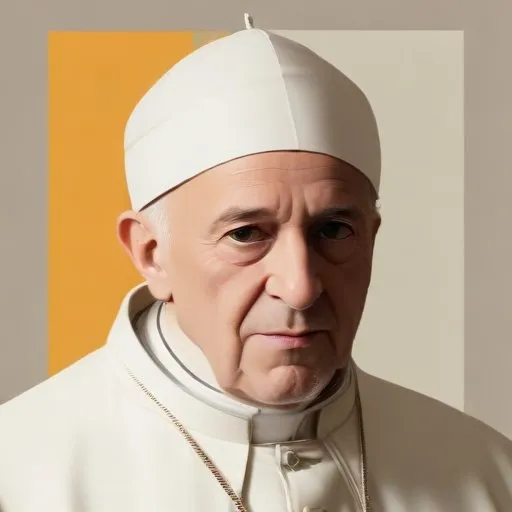
The shortest-reigning pope in history, serving for only 13 days in 1590, he is remembered for his brief but tumultuous tenure.
Pope Urban VII is remembered for his groundbreaking initiative to ban smoking in churches worldwide, a decree that has had lasting implications for public health. His papacy, although brief, was marked by a commitment to charitable works, infrastructure development, and a strong stance against nepotism.
Giovanni Battista Castagna was born on August 4, 1521, in Rome, Italy, to a noble family. He pursued higher education in various Italian universities, earning a doctorate in civil law and canon law from the University of Bologna.
Castagna's career in the Roman Curia began as a constitutional lawyer during the pontificate of Pope Julius III. He served as auditor to his uncle, Cardinal Girolamo Verallo, and accompanied him on a papal legation to France. In 1553, he was appointed Archbishop of Rossano, a position he held until his elevation to cardinal in 1583 by Pope Gregory XIII.
Upon the death of Pope Sixtus V, Castagna was elected as pope on September 15, 1590, taking the name Urban VII. His papacy, although short-lived, was marked by a series of reforms aimed at improving the lives of the faithful.
Urban VII's papacy, although brief, has had a lasting impact on the Catholic Church and public health. His smoking ban, in particular, has been recognized as a pioneering effort in the fight against tobacco addiction.
Despite his short reign, Urban VII's commitment to reform and charitable works has inspired generations of Catholics and non-Catholics alike. His legacy serves as a reminder of the importance of compassion, justice, and public welfare.
Urban VII's life and papacy may have been cut short, but his impact on the Catholic Church and the world at large continues to be felt to this day.
