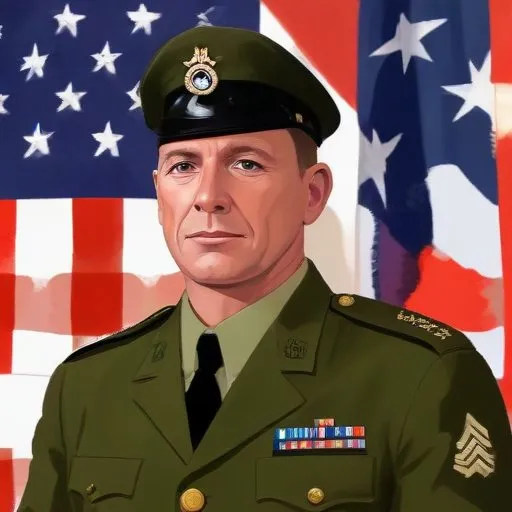
Porter Goss: The CIA's Enigmatic Director
A Career Shrouded in Secrecy
Porter Goss, the former Director of the Central Intelligence Agency (CIA), is a man whose life has been woven into the fabric of American politics and espionage. As the last Director of Central Intelligence (DCI) and the first Director of the CIA, Goss's tenure was marked by controversy and intrigue, leaving behind a legacy that continues to fascinate and puzzle the public.
Early Life and Education
Born on November 26, 1938, in Waterbury, Connecticut, Goss was the son of Virginia Holland (née Johnston) and Richard
Wayne Goss, an executive of the Scovill Manufacturing Company. His family's roots ran deep in the business world, but it was his education that would shape his future. Goss attended the prestigious Hotchkiss School in Lakeville, Connecticut, and later graduated from Yale University in 1960 with a Bachelor of Arts in ancient Greek. His proficiency in Spanish and French would serve him well in his future careers.
A Life in Intelligence
Goss's introduction to the world of espionage began in 1962, when he joined the CIA as a clandestine operations officer. Over the next decade, he worked his way up the ranks, serving in various capacities, including as a station chief in Latin America. In 1989, he retired from the CIA and entered politics, representing Florida's 14th congressional district in the U.S. House of Representatives.
Rise to Prominence
Goss's political career was marked by his chairman-ship of the House Permanent Select Committee on Intelligence from 1997 to 2004. During this period, he was a strong supporter of the USA PATRIOT Act and co-chaired the Joint 9/11 Intelligence Inquiry. His experience in intelligence gathering and analysis made him a natural fit for the role of Director of Central Intelligence.
Tenure as CIA Director
In 2004, Goss became the last DCI, a position he held until the passage of the 2004 Intelligence Reform and Terrorism Prevention Act, which replaced the DCI with the Director of National Intelligence. Goss seamlessly transitioned into the new role, becoming the first Director of the CIA in 2005. His tenure was marked by controversy, however, as he was accused of politicizing the agency and engaging in turf wars with other intelligence agencies.
Resignation and Legacy
Goss resigned as CIA Director on May 5, 2006, in a surprise move that stunned the intelligence community. His resignation was seen as a culmination of the controversies surrounding his tenure, as well as his perceived failure to reform the agency. Despite this, Goss's legacy as a champion of intelligence reform and his efforts to modernize the CIA continue to shape the agency's operations today.
Influence on Modern Society
Goss's impact on modern society is multifaceted. As a proponent of intelligence reform, he played a crucial role in shaping the USA PATRIOT Act, which continues to influence American national security policy. His tenure at the CIA also highlighted the need for greater transparency and accountability within the intelligence community.
Personal Milestones and Key Life Events
- Graduated from Yale University in 1960 with a Bachelor of Arts in ancient Greek
- Joined the CIA in 1962 as a clandestine operations officer
- Retired from the CIA in 1989 and entered politics
- Served as Chairman of the House Permanent Select Committee on Intelligence from 1997 to 2004
- Became the last DCI in 2004 and the first Director of the CIA in 2005
- Resigned as CIA Director on May 5, 2006
Trivia and Fun Facts
- Goss was a member of the secret society Book and Snake at Yale University
- He was a member of the Psi Upsilon fraternity alongside William H. T. Bush, the uncle of President George W. Bush
- Goss speaks Spanish and French fluently
Conclusion
Porter Goss's life has been a labyrinth of intrigue, politics, and espionage. As the CIA's enigmatic director, his legacy continues to fascinate and puzzle the public. While his tenure was marked by controversy, his contributions to the world of intelligence gathering and analysis remain unparalleled.
FAQ
What was Porter Gosss role in the CIA?
Porter Goss served as the 19th Director of the Central Intelligence Agency (CIA) from 2004 to 2006, where he oversaw the agencys operations and implemented reforms in the wake of the 9/11 attacks.
What was Porter Gosss background in intelligence?
Before becoming CIA Director, Porter Goss had a long career in intelligence, serving as a CIA officer and later as Chairman of the House Intelligence Committee, where he played a key role in shaping US intelligence policy.
What reforms did Porter Goss implement at the CIA?
During his tenure as CIA Director, Porter Goss implemented several reforms, including restructuring the agencys leadership, improving intelligence analysis, and enhancing cooperation with other intelligence agencies.
What awards did Porter Goss receive?
Porter Goss received the Distinguished Intelligence Medal, the National Intelligence Distinguished Service Medal, and the CIA Directors Award for his contributions to the intelligence community.
What is Porter Gosss legacy?
Porter Gosss legacy is marked by his dedication to public service, his expertise in intelligence, and his commitment to strengthening national security.