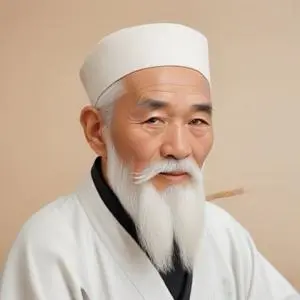
The Whimsical World of Qi Baishi: A Chinese Painter Extraordinaire
A Life of Artistic Expression
Qi Baishi, born on January 1, 1864, was a renowned Chinese painter celebrated for his unique, often playful, and whimsical style that transported audiences to a world of wonder and enchantment. His works, spanning multiple subjects, from animals to scenery, figures, toys, and vegetables, showcase his remarkable talent and imagination.
The Early Years: A Self-Taught Artist
Born into a peasant family in Xiangtan, Hunan, Qi Baishi's artistic journey began with self-study. The Manual of the Mustard Seed Garden, a Chinese painting manual, sparked his interest in art, and he spent countless hours honing his skills. Without formal education, Qi relied on his innate creativity and dedication to master the craft.
Artistic Evolution: From Opera Performers to Everyday Life
Qi's early work featured opera performers as models, allowing him to practice his skills and experiment with different techniques. As he grew, so did his subject matter. He began to depict everyday life, capturing the essence of people, animals, and landscapes with remarkable accuracy and emotion.
A Master of Multiple Disciplines
Qi Baishi was not only an exceptional painter but also an accomplished seal carver. He created over 300 seals, earning him the nickname "the rich man of three hundred stone seals." His expertise extended to calligraphy and poetry, further solidifying his position as a Renaissance man in Chinese art.
The Later Years: Recognition and Legacy
In 1953, Qi Baishi was elected president of the China Artists Association, a testament to his profound impact on the art world. His later works, often featuring mice, shrimp, or birds, showcased his continued innovation and creativity. Qi Baishi passed away on September 16, 1957, leaving behind a treasure trove of artistic masterpieces that continue to inspire generations.
Philosophical Contributions: Between Likeness and Unlikeness
Qi Baishi's artistic philosophy centered around the idea that paintings should exist between likeness and unlikeness. He believed that art should neither be too realistic nor too fantastical, but rather, it should strike a balance between the two. This approach allowed him to create works that were both relatable and imaginative.
Influence on Modern Society
Qi Baishi's influence on Chinese art and culture is undeniable. He paved the way for future generations of artists, inspiring them to explore new techniques and styles. His contributions to the China Artists Association helped shape the country's artistic landscape, ensuring his legacy would continue to flourish.
Quotes and Memorable Sayings
- "Paintings must be something between likeness and unlikeness."
- "I want to paint the essence of things, not just their surface."
Awards and Honors
Qi Baishi's remarkable career was punctuated by numerous awards and honors, including his election as president of the China Artists Association in 1953. His contributions to Chinese art and culture have cemented his place as one of the most celebrated artists of the 20th century.
Legacy: A Lasting Impact on Chinese Art
Qi Baishi's artistic legacy continues to inspire and captivate audiences worldwide. His unique style, philosophical approach, and contributions to Chinese art have secured his position as one of the country's most beloved and respected artists. As we gaze upon his whimsical creations, we are reminded of the power of art to transport us to a world of wonder and enchantment.
FAQ
What was Qi Baishis contribution to Chinese art?
Qi Baishi was a renowned Chinese painter and seal carver who played a significant role in the development of modern Chinese art. He was known for his innovative and expressive style, which blended traditional and modern techniques.
What were Qi Baishis most notable works of art?
Qi Baishis most notable works of art include his landscapes, flowers, and birds, which are characterized by their bold brushstrokes and vibrant colors. He was also known for his innovative use of seal carving and his development of new techniques in traditional Chinese art forms.
What was Qi Baishis background and education?
Qi Baishi was born in Hunan Province, China, and was largely self-taught as an artist. He was influenced by traditional Chinese art forms, including calligraphy and painting, and later studied Western art techniques.
How did Qi Baishis work impact the development of modern Chinese art?
Qi Baishis work had a significant impact on the development of modern Chinese art, as he helped to introduce new techniques and styles that blended traditional and modern influences.
What is Qi Baishis legacy in the history of Chinese art?
Qi Baishis legacy in the history of Chinese art is that of a pioneering artist who helped to modernize traditional Chinese art forms and introduce new styles and techniques.