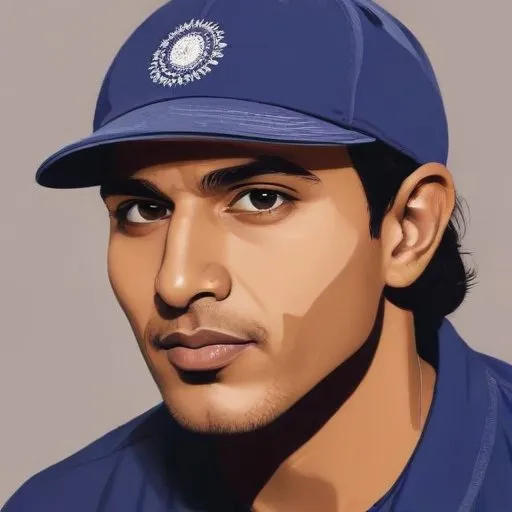
Ramakant Desai: The Fearless Fast Bowler Who Left a Lasting Impact on Indian Cricket
The Short but Fiery Career of a Cricketing Legend
Ramakant Desai, fondly known as "Tiny" due to his 5'4" stature, was a force to be reckoned with on the cricket pitch. This Indian fast bowler terrorized batsmen with his speed and unpredictability, earning him a reputation as one of the most feared bowlers of his era.
Rise to Prominence
Desai's cricketing journey began in the late 1950s, when he made his debut against the West Indies in 1958-59. In his very first Test match, he took an impressive 4/169 in 49 overs, setting the tone for a remarkable career. His ability to generate pace and bounce, despite his small frame, made him a nightmare for opposing batsmen.
Touring the World
Desai was an integral part of the Indian team that toured England in 1959, the West Indies in 1961-62, and Australia and New Zealand in 1967-68. His most notable performance came against Pakistan in 1960-61, where he took 21 wickets in a single series. This outstanding performance earned him the respect of his peers and opponents alike.
Domestic Dominance
In the Ranji Trophy, Desai was a dominant force, taking 50 wickets in just 7 matches in his debut season at an astonishing average of 11.10. This remains a record for Bombay to this day. His impressive performances in the domestic circuit earned him a permanent spot in the Indian team.
The Unfortunate Premature Retirement
Despite his impressive career statistics, Desai retired from first-class cricket at the tender age of 29, after the 1968-69 season. His premature retirement was a result of the relentless workload he carried as the sole pace bowler in the Indian team. The strain on his body took its toll, and he bid adieu to the game he loved.
Legacy and Impact
Desai's contribution to Indian cricket cannot be overstated. He was a trailblazer, paving the way for future generations of fast bowlers. His fearlessness on the pitch and ability to take wickets on unresponsive Indian wickets made him a legend in his own right. Even today, cricket enthusiasts and historians remember him fondly as one of the most potent fast bowlers India has ever produced.
Trivia and Fun Facts
- Desai's best bowling performance in Tests was 6/56 against New Zealand at Bombay in 1964-65.
- He was an unlikely hero with the bat, scoring a rapid 85 at No. 10 against Pakistan in 1960-61, which remained an Indian record for a long time.
- Desai's partnership of 149 for the ninth wicket with Nana Joshi against Pakistan in 1960-61 still stands as a record.
In Conclusion
Ramakant Desai's cricketing career was brief but fiery, leaving an indelible mark on the sport. His unwavering commitment, unbridled passion, and unmatched skill made him a cricketing legend. Even today, his name is mentioned in reverence, inspiring future generations of cricketers to follow in his footsteps.
FAQ
What was Ramakant Desais career like as an Indian cricketer?
Ramakant Desai was a talented Indian cricketer, who played 28 Test matches and 20 One Day Internationals, serving as a medium-pace bowler and lower-order batsman.
What notable cricketing achievements did Ramakant Desai accomplish?
Ramakant Desai achieved several notable cricketing achievements, including taking 74 wickets in Test matches and participating in Indias first-ever Test series win against England in 1971.
How did Ramakant Desais bowling style contribute to Indian cricket?
Ramakant Desais bowling style, which combined pace and swing, was an important factor in Indias success in the 1960s and 1970s, and paved the way for future generations of Indian fast bowlers.
What was Ramakant Desais role in Indian cricket teams?
Ramakant Desai was a key member of Indian cricket teams, serving as a reliable and consistent performer, and was part of the squad that toured England, Australia, and the West Indies.
What legacy did Ramakant Desai leave in Indian cricket?
Ramakant Desais legacy in Indian cricket is as a skilled and dedicated cricketer, who made significant contributions to the countrys cricketing success, and inspired future generations of Indian cricketers.