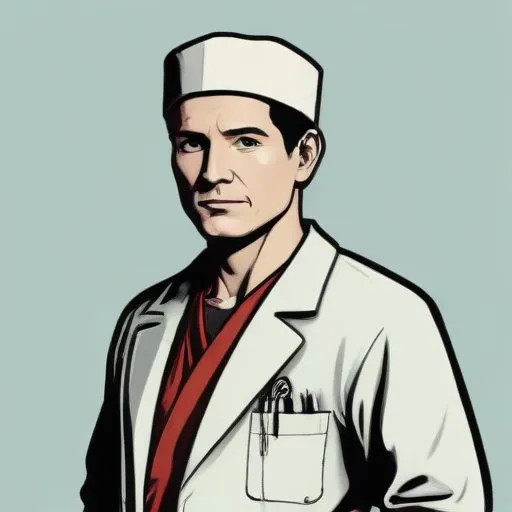
Raphael Carl Lee: Pioneering Plastic Surgeon and Biomedical Engineer
A Trailblazer in Trauma Care and Scar Treatment
Raphael Carl Lee is a renowned American plastic surgeon, medical researcher, and biomedical engineer who has revolutionized the field of trauma care and scar treatment. He is particularly recognized for his groundbreaking discovery of the application of amphiphilic block copolymers to mimic natural stress proteins in cells, thereby enabling cellular self-repair capabilities following injury.
Early Life and Education
Born in 1949 in Sumter, South Carolina, Lee hails from a family of physicians, with his father, uncles, and cousins all being doctors. This family legacy may have inspired his passion for medicine, which he pursued with vigor. Lee graduated from high school in 1967 and went on to study electrical engineering at the University of South Carolina, earning his Bachelor of Science in 1971. He then attended Drexel University in Philadelphia, Pennsylvania, where he earned a Master of Science in biomechanical engineering in 1975.
Medical and Research Career
Lee's medical career began in earnest when he graduated from Temple University School of Medicine in 1975. He served his general surgery residency at the University of Chicago Hospitals and later completed a residency in plastic surgery at Massachusetts General Hospital. During this period, he also earned a Sc.D. in biomedical engineering from the Massachusetts Institute of Technology in 1979. Lee's research prowess was evident early on, earning him several awards, including the Schering Scholar Award in 1978 from the American College of Surgeons.
Award-Winning Research and Innovation
One of the most significant milestones in Lee's career came in 1981 when he became one of the first recipients of the MacArthur Fellows Program, a prestigious award from the MacArthur Foundation. This recognition cemented his position as a leading innovator in his field. Lee's work has primarily focused on advancing the care of trauma, injuries, and scars. His pioneering research has led to the development of novel treatments and therapies that have improved patient outcomes significantly.
Leadership and Honors
Lee's expertise has been recognized by his peers, and he has been elected to the National Academy of Engineering and the American Academy of Arts and Sciences. He has also served as Director of the University of Chicago's Burn Center and the Laboratory for Molecular Regeneration. In 2016, he was named a senior clinician at the University of Chicago.
Philosophical Contributions and Beliefs
Lee's work embodies a commitment to improving human life through innovative research and compassionate care. His philosophy is centered around the idea that understanding the fundamental mechanisms of injury and repair can lead to the development of more effective treatments. He believes that collaboration between clinicians, researchers, and engineers is essential to driving progress in the field of trauma care.
Impact on Modern Society
Raphael Carl Lee's groundbreaking research has far-reaching implications for modern society. His work has the potential to improve patient outcomes, reduce healthcare costs, and enhance overall quality of life. As a pioneer in his field, Lee has paved the way for future generations of researchers and clinicians to build upon his discoveries.
Legacy and Future Directions
Lee's legacy extends beyond his research and clinical achievements. He has inspired a new generation of researchers and clinicians to pursue careers in trauma care and biomedical engineering. As his work continues to shape the field, it is likely that his discoveries will have a lasting impact on modern medicine.
FAQ
What is Raphael Carl Lees area of expertise?
Raphael Carl Lee is an American surgeon and academic who is renowned for his work in the fields of plastic surgery, reconstructive surgery, and wound healing. He is particularly known for his research on the biomechanics of wound closure and tissue engineering.
What is Raphael Carl Lees most notable achievement?
Raphael Carl Lees most notable achievement is likely his development of innovative surgical techniques and devices for the treatment of complex wounds and injuries. He has also made significant contributions to our understanding of the underlying biology of wound healing.
How has Raphael Carl Lees work impacted healthcare?
Raphael Carl Lees work has had a significant impact on healthcare, as his research and innovations have improved patient outcomes and reduced morbidity in a range of conditions, from burns and trauma to diabetes and cancer.
What awards has Raphael Carl Lee received?
Raphael Carl Lee has received numerous awards for his contributions to medicine, including the National Medal of Science and the Albert Lasker Award for Medical Research.
What is Raphael Carl Lees legacy in surgery?
Raphael Carl Lees legacy in surgery is one of innovation, leadership, and dedication to improving patient care. He has inspired generations of surgeons and researchers, and his work continues to shape the field of plastic surgery and beyond.