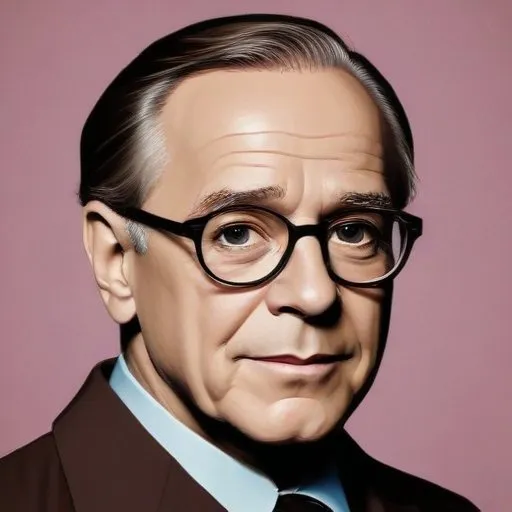
Raymond Benson: The American Writer Behind James Bond Novels
A Legendary Career in Spy Fiction
Raymond Benson is renowned for his captivating
James Bond novels, published between 1997 and 2003, which have left an indelible mark on the world of spy fiction. As the first American author to write Bond novels, Benson's work has been widely acclaimed for its meticulous attention to detail, clever plot twists, and unwavering loyalty to
Ian Fleming's original vision.
Early Life and Education: Laying the Foundation
Born in 1955 in Midland, Texas, Benson grew up with an innate passion for the arts. He attended Permian High School in Odessa, where he discovered his love for music, particularly the piano. This early interest would later evolve into composing music for theatrical productions. Benson's involvement in drama at school, where he became the vice president of the drama department, foreshadowed his future pursuits in directing stage productions in New York City.
A Degree in Drama Production and Directing: Setting the Stage
Benson's academic pursuits led him to the University of Texas at Austin, where he earned a degree in Drama Production and Directing. This education laid the groundwork for his future endeavors in writing, directing, and composing music for the stage.
The James Bond Bedside Companion: A Tribute to Ian Fleming
In 1984, Benson wrote
The James Bond Bedside Companion, a comprehensive guide dedicated to Ian Fleming, the official novels, and the films. This meticulously researched book was updated in 1988 and has since been re-released digitally.
The James Bond Bedside Companion earned a nomination for an Edgar Award by Mystery Writers of America in the Best Biographical/Critical Work category.
Video Games and Role-Playing: Expanding the Bond Universe
Benson's contributions to the James Bond franchise extended beyond literature. In 1985, he worked as a designer and writer on the computer game
James Bond 007: A View to a Kill. The following year, he collaborated on a computer game adaptation of
Goldfinger and co-authored the
You Only Live Twice II module of the popular role-playing game
James Bond 007.
Replacing John Gardner: A New Era of Bond Novels
In 1996,
John Gardner resigned from writing Bond novels, and Glidrose Publications appointed Benson as his successor. Despite initial controversy surrounding his American heritage and perceived disregard for established continuity, Benson swiftly alleviated these concerns through his dedication to the franchise and frequent promotional tours in the UK and mainland Europe.
Major Works: A Legacy of Espionage and Intrigue
During his tenure as a James Bond novelist, Benson wrote six novels:
- Zero Minus Ten (1997)
- The Facts of Death (1998)
- High Time to Kill (1999)
- Doubles or Die (2000)
- Never Dream of Dying (2001)
- The Man with the Red Tattoo (2002)
These novels have been praised for their clever plots, vivid characters, and unwavering loyalty to Ian Fleming's vision.
A Lasting Impact on the World of Spy Fiction
Raymond Benson's contributions to the James Bond franchise have left an indelible mark on the world of spy fiction. His meticulous attention to detail, clever plot twists, and dedication to the franchise have cemented his place as a legendary writer of espionage and intrigue.
FAQ
What type of books does Raymond Benson write?
Raymond Benson writes thriller and suspense novels, often incorporating elements of mystery, espionage, and adventure.
Has Raymond Benson written James Bond novels?
Yes, Raymond Benson has written several James Bond novels, including Zero Minus Ten, The Facts of Death, and The Man with the Red Tattoo.
What is Raymond Bensons writing style?
Raymond Bensons writing style is characterized by fast-paced action, intricate plots, and well-developed characters. Hes known for his attention to detail and meticulous research.
Has Raymond Benson written screenplays?
Yes, Raymond Benson has written screenplays for film and television, including an adaptation of his novel Face Blind.
What awards has Raymond Benson won?
Raymond Benson has won several awards for his writing, including the Grand Prix du Roman dAventure and the Ian Fleming Steel Dagger Award.