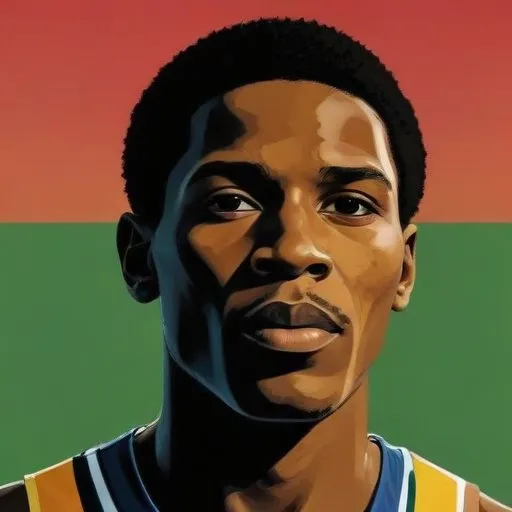
Reggie Walker: The Pioneering South African Athlete
A Legendary Sprinter
Reggie Walker, born Reginald Edgar Walker, is renowned for being the 1908 Olympic champion in the 100 meters, a feat that cemented his position as one of the most celebrated athletes of his time. At just 19 years and 128 days old, Walker remains the youngest winner of the Olympic 100 meters as of 2021, a testament to his exceptional talent and dedication.
Early Life and Career
Born on March 16, 1889, in Durban, Colony of Natal (present-day South Africa), Walker was raised in a sporting environment that fostered his passion for athletics. He quickly made a name for himself in local competitions, becoming the 1907 South African Champion in the 100 meters. This triumph paved the way for his selection to represent South Africa at the 1908 Summer Olympics in London.
The Road to Olympic Glory
Walker's journey to the Olympics was not without its challenges. Initially, he lacked the necessary finances to travel to London, forcing him to rely on the generosity of a Natal sportswriter, who collected funds to support his trip. Upon arriving in England, Walker was coached by Sam Mussabini, a renowned trainer who would later work with Harold Abrahams.
Olympic Triumph
At the 1908 Olympics, Walker faced stiff competition, but he persevered, demonstrating his remarkable speed and agility. In the first round, he secured a comfortable victory with a time of 11.0 seconds. In the second round, he edged out William W. May of the United States, tying the Olympic record of 10.8 seconds. This performance earned him a spot in the final, where he faced off against three North American athletes, including
James Rector of the United States.
A Historic Victory
In the final, Walker produced a stunning performance, beating Rector by a margin of about a foot and a half, while again equaling the Olympic record of 10.8 seconds. This historic victory marked Walker's crowning achievement, solidifying his status as a world-class athlete.
War Service and Later Life
During World War I, Walker served with the 7th Infantry in German South West Africa, followed by a stint with the South African Overseas Expeditionary Force in France, where he suffered a gunshot wound to the head. Walker was eventually discharged from the Army in 1919 and went on to work as a clerk with Ropes & Mattings in Nairobi, Kenya Colony, before returning to South Africa.
Legacy
Reggie Walker's remarkable achievements have left an indelible mark on the world of athletics. His pioneering spirit and unwavering dedication to his craft have inspired generations of athletes, ensuring his legacy continues to endure. As the youngest Olympic 100 meters champion, Walker's name will forever be etched in the annals of sporting history.
FAQ
What was Reggie Walkers athletic specialty?
Reggie Walker was a South African athlete, specializing in the 100 meters sprint event, and competing at the international level during the early 20th century.
What were Reggie Walkers achievements in athletics?
Reggie Walker won several national championships in South Africa and set multiple records in the 100 meters event, earning him the distinction of being one of South Africas top sprinters.
How did Reggie Walker represent South Africa in international competitions?
Reggie Walker represented South Africa in several international competitions, including the Olympic Games, where he competed in the 100 meters event, proudly representing his country.
What was Reggie Walkers career trajectory like?
Reggie Walkers athletic career spanned several years, during which he transitioned from a successful amateur runner to a professional athlete, competing against top international talent.
How does Reggie Walkers story reflect the growth of South African athletics?
Reggie Walkers achievements in athletics contributed to the growth and development of the sport in South Africa, inspiring future generations of South African athletes to strive for excellence.