


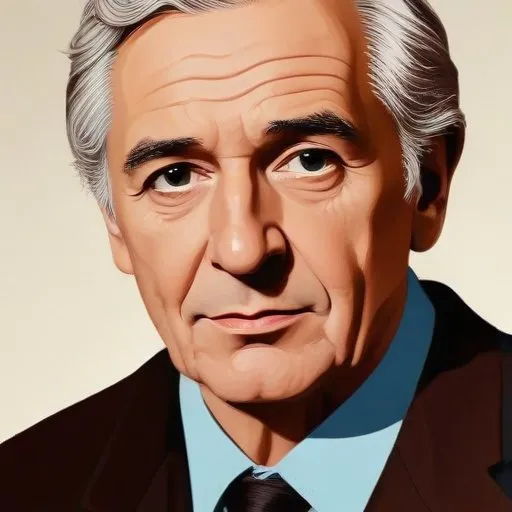
A pioneering figure in Australian literature, known for his poetry and novels that explored the country's identity and culture. He was a key figure in the Jindyworobak Movement, which sought to promote Australian culture and literature.
Rex Ingamells, an Australian poet, is renowned for being the leading light of the Jindyworobak Movement, a cultural and literary movement that sought to promote Indigenous Australian culture and heritage. Through his poetry and writings, Ingamells aimed to bridge the gap between European and Aboriginal cultures, leaving an indelible mark on Australian literature.
Born on January 19, 1913, in Orroroo, South Australia, to a Methodist minister, Ingamells spent his childhood moving around country South Australia. This nomadic lifestyle exposed him to the rich cultural heritage of Indigenous Australia, which would later become a significant influence on his work.
Ingamells' interest in poetry began during his time at Port Lincoln High School. He later attended Prince Alfred College and the University of Adelaide, where he graduated with a Bachelor of Arts degree in 1934, majoring in history. It was during his university days that he became fascinated with Indigenous Australian culture, which would eventually lead him to found the Jindyworobak Movement.
In 1935, Ingamells published his first book of poetry, Gum Tops, which marked the beginning of his literary career. Over the years, he went on to publish several collections of poetry, including Forgotten People (1936), SunFreedom (1938), and Memory of Hills (1940).
Ingamells' contributions to Australian literature were recognized with several awards and honors. In 1951, he won the Grace Leven Prize for Poetry for his epic poem, The Great South Land. The same year, he was awarded the ALS Gold Medal for the same work.
Rex Ingamells' legacy extends beyond his literary contributions. Through the Jindyworobak Movement, he helped to raise awareness about the importance of preserving Indigenous Australian culture and heritage. His poetry and writings continue to inspire generations of Australians, promoting a deeper understanding and appreciation of the country's rich cultural diversity.
Born in 1901
A renowned Australian journalist and poet, celebrated for his vivid and evocative war reporting and poetry that explores themes of love, death, and the human condition.
Born in 1885
Noted for his contributions to Australian literature, this author penned numerous novels, plays, and critiques, exploring themes of national identity and social commentary.
