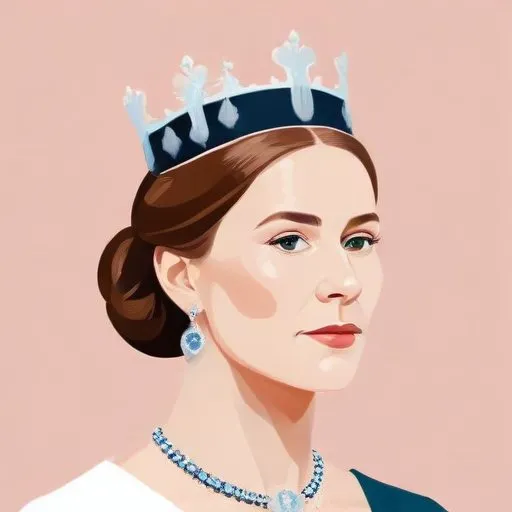
Richeza of Poland: The Twice-Crowned Queen of Sweden
A Life of Royal Alliances and Power Struggles
Richeza of Poland, also known as Ryksa Bolesławówna, was a member of the House of Piast and a prominent figure in 12th-century European politics. She was twice Queen of Sweden and once Princess of Minsk, earning her a reputation as a shrewd and ambitious leader.
Early Life and First Marriage
Born on April 12, 1116, Richeza was the daughter of Bolesław III Wrymouth, Duke of Poland, and his second wife, Salomea of Berg. Tradition describes her as unusually beautiful, a trait that would serve her well in the complex web of royal alliances and power struggles of her time. Her first marriage was arranged with Crown Prince Magnus the Strong, the son of King Niels of Denmark, in 1127. This union was part of a broader alliance between Poland and Denmark against Wartislaw I, Duke of Pomerania.
Rise to Power in Sweden
As the wife of Magnus, Richeza became Queen consort of Sweden when her husband claimed the throne in 1129. However, their rule was met with resistance from the Svear, another tribe in Sweden, who elected Ragnvald Knaphövde as king. According to the chronicler Saxo Grammaticus, Ragnvald was murdered by supporters of Magnus, who then consolidated his power as King of Sweden.
Second Marriage and Queen of Sweden Again
After the death of Magnus in 1134, Richeza married Sverker I, another claimant to the Swedish throne. This marriage solidified her position as Queen of Sweden once again, although her husband's power base was in Östergötland. Richeza's years as queen were marked by power struggles and conflicts with rival claimants to the throne.
Legacy and Impact
Richeza's remarkable life and marriages had a lasting impact on the political landscape of 12th-century Europe. Her alliances and marriages helped to shape the course of Swedish and Polish history, and her reputation as a cunning and ambitious leader has endured through the centuries.
Personal Life and Family
Richeza had two sons with her first husband, Magnus: Knud and Niels. Little is known about her personal life beyond her marriages and public life, but it is clear that she was a devoted mother and wife.
Trivia and Fun Facts
- Richeza's exact date of death is unknown, but it is believed to have occurred after December 25, 1156.
- She was known for her exceptional beauty, which was often cited as a key factor in her success as a queen.
- Richeza's life and marriages were marked by a complex web of alliances and power struggles, earning her a reputation as one of the most influential female leaders of her time.
Historical Context and Legacy
Richeza's life and reign coincided with a period of significant upheaval and change in Europe. The 12th century saw the rise of powerful monarchies, the growth of trade and commerce, and the spread of Christianity. Richeza's experiences and achievements reflect the complex and often tumultuous nature of this era, and her legacy continues to fascinate historians and scholars to this day.
FAQ
Who was Richeza of Poland and what was her role in Swedish history?
Richeza of Poland was a queen consort of Sweden and Grand Princess of Minsk. She played a significant role in shaping the medieval Swedish monarchy through her marriage to King Magnus III of Sweden. Sub-question: What were Richezas contributions to the royal court of Sweden?
What was Richeza of Polands family background and upbringing?
Richeza of Poland was born into the Piast dynasty, a prominent family in Poland. Her parents were Casimir I of Kuyavia and Euphrosyne of Opole, and she was raised with a strong sense of nobility and duty.
How did Richeza of Polands marriage to King Magnus III of Sweden impact Swedens relations with Poland?
Richezas marriage to King Magnus III of Sweden strengthened ties between Sweden and Poland, leading to increased trade and cultural exchange between the two nations.
What was Richeza of Polands role in promoting Christianity in Sweden?
As a devout Christian, Richeza of Poland played a significant role in promoting Christianity in Sweden during the medieval period. She supported the construction of churches and monasteries, and encouraged the spread of Christian values.
What is Richeza of Polands legacy in modern times?
Richeza of Polands legacy can be seen in the strong ties between Sweden and Poland today. She is remembered as a symbol of cultural exchange and cooperation between the two nations.