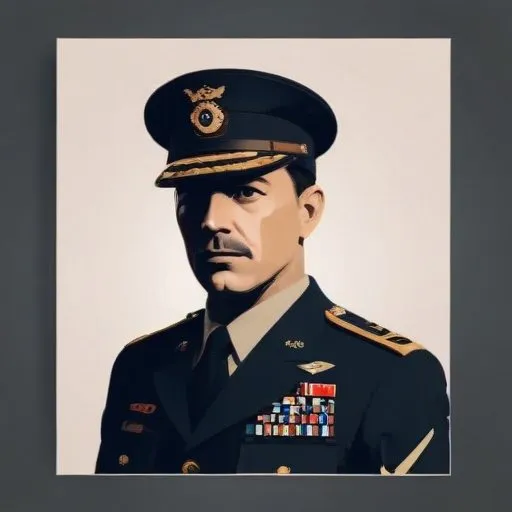
Robert H. Michel: The Bipartisan Leader of the GOP
Robert H. Michel, an American Republican Party politician, is best known for his 38-year tenure in the United States House of Representatives, where he served as the GOP leader and Minority Leader from 1981 to 1995. During his time in leadership, Michel was a champion of bipartisanship, known for striking deals across party lines and building relationships with prominent Democrats.
Early Life and Military Service
Born on March 2, 1923, in Peoria, Illinois, Michel grew up with a strong sense of duty and service. His father was an immigrant from Alsace, and his mother was the daughter of German immigrants. Michel attended Peoria High School and later received a Bachelor of Science degree from Bradley University.
During World War II, Michel joined the United States Army and served with the 39th Infantry Regiment as an infantryman in England, France, Belgium, and Germany from February 10, 1943, to January 26, 1946. He participated in the Invasion of Normandy in 1944 and was wounded by machine gun fire, earning two Bronze Stars, the Purple Heart, and four battle stars.
Electoral Career and Bipartisan Leadership
Michel's electoral career spanned 38 years, during which he represented central Illinois's 18th congressional district. He was known for his ability to work across party lines, building friendships with prominent Democrats and striking deals to get legislation passed. Michel's leadership style was characterized by his willingness to listen and compromise, earning him the respect of his colleagues on both sides of the aisle.
Some of Michel's most significant accomplishments include:
- Helping to pass the 1986 Tax Reform Act, a landmark piece of legislation that simplified the tax code and lowered tax rates
- Working with Democratic leaders to secure funding for transportation infrastructure projects, including the 1991 Intermodal Surface Transportation Efficiency Act
- Collaborating with Democrats to pass the 1990 Americans with Disabilities Act, a landmark civil rights law that prohibited discrimination against individuals with disabilities
Legacy and Impact
Michel's legacy is one of bipartisanship and compromise in a time when partisan divisions were deepening. He showed that it was possible to work across party lines to get things done, and his leadership style inspired a generation of politicians.
Michel's decision not to seek re-election in 1994, following the Republican Revolution led by
Newt Gingrich, marked the end of an era in American politics. His departure from Congress signaled a shift towards a more polarized and partisan political landscape, one that would come to define American politics in the decades that followed.
Personal Life and Later Years
Michel passed away on February 17, 2017, at the age of 93. He is remembered by his colleagues and friends as a kind and humble leader who dedicated his life to public service.
Throughout his life, Michel remained committed to his values of bipartisanship and compromise, even as the political landscape around him changed. His legacy serves as a reminder of the power of working together to achieve common goals, and his impact on American politics will be felt for generations to come.
FAQ
What was Robert H. Michels military career like?
Robert H. Michel served in the United States Army during World War II, earning the Purple Heart and Bronze Star for his valor in combat. After the war, he remained active in politics, eventually becoming a congressman.
What were Robert H. Michels accomplishments as a politician?
Robert H. Michel served as a Republican congressman from Illinois from 1957 to 1995. During his tenure, he worked on legislation related to healthcare, education, and veterans affairs.
What was Robert H. Michels role in the House of Representatives?
Robert H. Michel served as the Minority Leader of the House of Representatives from 1981 to 1995. He worked to promote bipartisanship and cooperation between Republicans and Democrats.
What awards and recognition did Robert H. Michel receive?
Robert H. Michel received numerous awards, including the Presidential Medal of Freedom, in recognition of his service to the country and his contributions to politics.
How did Robert H. Michels military service influence his politics?
Robert H. Michels military service deeply influenced his approach to politics, shaping his views on national security, veterans affairs, and public service.