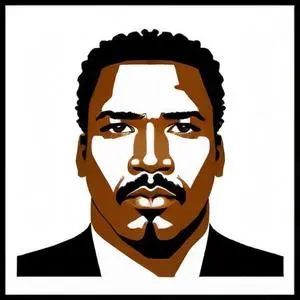
Rodney King: A Catalyst for Change in the Face of Police Brutality
The Infamous Beating That Sparked a Movement
Rodney King, an African American man, is known for being the victim of a brutal beating by the Los Angeles Police Department (LAPD) in 1991, an incident that was caught on camera and sparked widespread outrage and protests. The footage of King's beating, which showed him being savagely beaten by four police officers, became a rallying cry for the civil rights movement and led to calls for police reform.
Early Life and the Fateful Night of March 3, 1991
Born on April 2, 1965, in Sacramento, California, Rodney King grew up in a working-class family. On the night of March 3, 1991, King was driving on the I-210 freeway when he was stopped by the LAPD for speeding. A high-speed chase ensued, and King eventually pulled over. However, he failed to comply with the officers' commands, and a physical altercation ensued. It was during this altercation that King was severely beaten by the four police officers, with the entire incident being captured on camera by a bystander, George Holliday.
The Trial and Its Aftermath
The four officers involved in the beating were subsequently charged with using excessive force, and their trial was televised nationally. In April 1992, the jury delivered a verdict that would stun the nation: three of the officers were acquitted, and the jury failed to reach a verdict on the fourth officer. The acquittals sparked outrage and protests across the country, with the 1992 Los Angeles riots erupting just hours after the verdict was announced.
The Impact of Rodney King's Beating
Rodney King's beating and the subsequent trial had a profound impact on modern society. The incident brought national attention to the issue of police brutality and racism, and it sparked a wave of protests and calls for police reform. The riots that followed the acquittals resulted in 63 deaths, over 2,000 injuries, and widespread property damage. However, they also led to significant changes in the way law enforcement agencies operate, with many departments implementing reforms aimed at reducing police brutality and improving community relations.
Personal Struggles and Tragic Demise
Rodney King's life was marked by personal struggles and tragedy in the years following the beating. He struggled with addiction and was arrested multiple times for various offenses. King also wrote a book about his experiences, "The Riot Within: My Journey from Rebellion to Redemption." Tragically, King was found dead in his swimming pool on June 17, 2012, at the age of 47.
Legacy and Lasting Impact
Rodney King's beating and the subsequent trial and riots had a profound impact on American society. His case led to significant reforms in law enforcement and sparked a national conversation about police brutality and racism. King's legacy continues to resonate today, with his case serving as a powerful symbol of the need for justice and equality.
Quotes and Memorable Sayings
- "Can we all get along?" - Rodney King's plea for racial harmony during a press conference in 1992
Historical Context and Legacy
Rodney King's beating and the subsequent trial and riots took place against the backdrop of a tumultuous period in American history. The incident highlighted the deep-seated issues of racism and police brutality that have long plagued American society. King's legacy serves as a powerful reminder of the need for continued vigilance and action in the pursuit of justice and equality.
FAQ
What is Rodney King known for?
Rodney King is known for being the victim of a brutal police beating in 1991, which was caught on camera and sparked widespread outrage and protests.
What happened to Rodney King during the beating?
During the beating, Rodney King was severely beaten by several Los Angeles Police Department officers, resulting in serious injuries and long-term health problems.
What was the outcome of the Rodney King trial?
The outcome of the Rodney King trial was that the four police officers involved were acquitted, despite the evidence, leading to widespread rioting and protests.
How did Rodney Kings case impact police brutality awareness?
Rodney Kings case brought national attention to the issue of police brutality and racial profiling, leading to reforms and increased accountability for law enforcement.
What did Rodney King do after the incident?
After the incident, Rodney King became an advocate for police reform and racial justice, speaking publicly about his experiences and working to raise awareness about the issue.