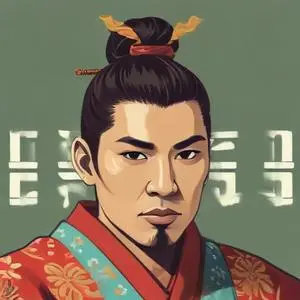
Saig Takamori: The Quintessential Hero of Modern Japanese History
Saig Takamori, a Japanese samurai and nobleman, is renowned for leading the Meiji Restoration, a pivotal revolution that transformed Japan's feudal society into a modern, centralized state. He is also remembered for his subsequent rebellion against the Meiji government, known as the Satsuma Rebellion, which would ultimately lead to his tragic demise.
Early Life and Family
Born on January 23, 1828, in Kajiya, Kagoshima, Satsuma Domain, Saig Takamori was the eldest son of samurai squire Saig Kichib and his wife Masa. He had six siblings, including his younger brother, Marshal-Admiral Marquis Saig Jd. During his childhood, he was known as Kokichi, and later received the given name Takamori in adulthood. He also wrote poetry under the name Saig Nansh.
The Meiji Restoration and Boshin War
In 1867, Saig Takamori played a crucial role in the Meiji Restoration, a revolution that restored imperial rule to Japan after centuries of feudalism. He was one of the three great nobles, along with
Kido Takayoshi and Okubo Toshimichi, who led the revolution. However, Saig's intransigence was one of the major causes of the subsequent Boshin War, as he demanded that the Tokugawa shogunate be stripped of their lands and special status.
The Boshin War and Imperial Forces
During the Boshin War, Saig led the imperial forces at the Battle of Toba-Fushimi, and after led the imperial army toward Edo, where he accepted the surrender of Edo Castle from Katsu Kaish. This marked a significant victory for the Meiji government and paved the way for the modernization of Japan.
Meiji Bureaucrat and Opposition to Modernization
After the war, Saig retained a key role in the Meiji government, playing a crucial part in the abolition of the han system and the establishment of a conscript army. However, he began to disagree with the modernization of Japan and the opening of commerce with the West. He famously opposed the construction of a railway network, which he believed would lead to the erosion of traditional Japanese values.
Satsuma Rebellion and Tragic Demise
In 1877, Saig Takamori led the Satsuma Rebellion, a revolt against the Meiji government, which he felt had abandoned its traditional values and was becoming too Westernized. The rebellion ultimately failed, and Saig was mortally wounded in battle on September 24, 1877.
Legacy and Historical Significance
Saig Takamori's legacy is complex and multifaceted. While he was instrumental in leading the Meiji Restoration and modernizing Japan, he also opposed many of the changes that came with it. Despite this, he is remembered as the quintessential hero of modern Japanese history, and his bravery and conviction are still celebrated today.
- Historian Ivan Morris described him as "the quintessential hero of modern Japanese history."
- Saig Takamori's rebellion against the Meiji government marked a significant turning point in Japanese history, as it highlighted the tensions between traditional values and modernization.
Saig Takamori's life and legacy serve as a testament to the complexities of Japanese history and the challenges of navigating the pitfalls of modernization. His bravery, conviction, and passion for traditional values continue to inspire and fascinate people to this day.
FAQ
What was Saigō Takamoris role in the Meiji Restoration?
Saigō Takamori was a leading figure in the Meiji Restoration, a samurai who played a key role in the overthrow of the Tokugawa shogunate and the modernization of Japan.
How did Saigō Takamoris ideals shape modern Japan?
Saigō Takamoris ideals, which emphasized the importance of individual liberty, social justice, and national pride, helped shape modern Japan, influencing the countrys political, social, and cultural development.
What was Saigō Takamoris relationship with the Meiji Emperor?
Saigō Takamori had a complex and ultimately conflicted relationship with the Meiji Emperor, whom he initially supported but later opposed due to disagreements over issues such as foreign policy and social reform.
How did Saigō Takamoris rebellion impact Japan?
Saigō Takamoris rebellion, known as the Satsuma Rebellion, had a significant impact on Japan, leading to the modernization of the Japanese army, the abolition of the samurai class, and the consolidation of imperial power.
What is Saigō Takamoris legacy in Japan?
Saigō Takamoris legacy in Japan is that of a heroic figure who fought for freedom, justice, and national pride, inspiring generations of Japanese people and shaping the countrys modern identity.