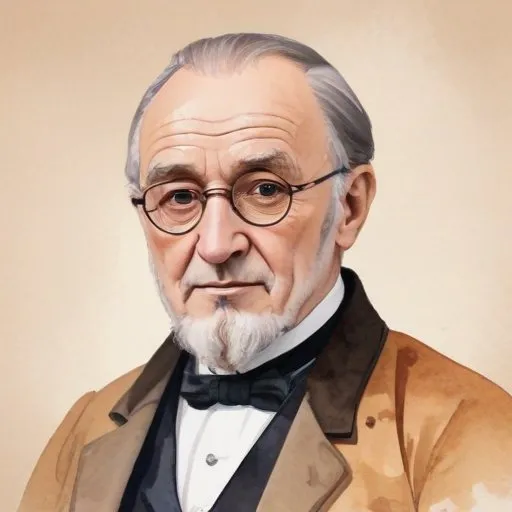
Saint-John Perse: The Nobel Laureate Poet and Diplomat
A Life of Words and Diplomacy
Saint-John Perse, born Alexis Léger, was a French poet, writer, and diplomat who soared to international recognition with his evocative poetry that reflected the conditions of his time. In 1960, he was awarded the Nobel Prize in Literature for his contributions to the literary world.
Early Life and Influences
Born on May 31, 1887, in Pointe-à-Pitre, Guadeloupe, Alexis Léger grew up in a family of solicitors and plantation owners. His childhood was marked by the lush fauna and flora of the West Indies, which would later influence his love for nature and his poetry. The Léger family's relocation to metropolitan France in 1899 had a profound impact on the young Alexis, who felt like an expatriate and spent much of his life grappling with his identity.
The Poet-Diplomat
Perse's early career was marked by his involvement in diplomacy, serving as the Secretary-General of the French Ministry of Foreign Affairs from 1933 to 1940. During World War II, he refused to collaborate with the Vichy regime and went into exile in the United States, where he continued to write and publish his poetry.
Literary Contributions
Perse's poetry is characterized by its soaring imagery, rich symbolism, and a deep sense of commitment to the human experience. His most famous works include
Anabasis,
Exil, and
Oiseaux, which showcased his unique style and vision. His poetry often explored themes of identity, exile, and the human condition, drawing inspiration from his own experiences as a colonial and an expatriate.
Influence on Modern Society
Perse's poetry and diplomatic career had a profound impact on modern society. His work inspired generations of writers, poets, and thinkers, and his commitment to international diplomacy and cooperation continues to influence global politics. As a diplomat, he played a key role in shaping France's foreign policy, and his poetry continues to be studied and admired around the world.
Personal Milestones and Key Life Events
- 1921: Perse publishes his first collection of poetry, Éloges, which receives critical acclaim.
- 1933: He becomes the Secretary-General of the French Ministry of Foreign Affairs.
- 1940: Perse goes into exile in the United States, where he continues to write and publish his poetry.
- 1960: He is awarded the Nobel Prize in Literature.
- 1975: Perse passes away on September 20, leaving behind a legacy of poetry and diplomacy.
Quotes and Memorable Sayings
- "Poetry is the only fortune that is not diminished by being shared."
- "The poet's role is to name the unnamable, to shape the shapeless, and to reveal the unknown."
Legacy
Saint-John Perse's legacy is a testament to the power of poetry and diplomacy. His commitment to the human experience, his love of nature, and his dedication to international cooperation continue to inspire generations of readers and thinkers. As a poet-diplomat, he left an indelible mark on modern society, and his work remains a powerful reminder of the importance of words and actions.
FAQ
What was Saint-John Perses literary style?
Saint-John Perse was a master of symbolism and poetic imagery. His writing style was characterized by its lyricism, complexity, and depth, often exploring themes of nature, identity, and the human condition.
What were Saint-John Perses most notable literary works?
Saint-John Perses most famous works include Anabasis, Exile, and Birds. These poems showcase his unique blend of symbolism, mythology, and personal experience, earning him the Nobel Prize in Literature in 1960.
How did Saint-John Perses diplomatic career influence his writing?
Saint-John Perses diplomatic career, including his service as Secretary-General of the French Foreign Ministry, influenced his writing by exposing him to diverse cultures and experiences. These encounters shaped his poetic vision and added depth to his literary works.
What was Saint-John Perses relationship like with other prominent writers?
Saint-John Perse was part of a vibrant literary circle that included prominent writers like André Gide, Jean Cocteau, and Paul Valéry. He was known for his intellectual curiosity and engagement with contemporary literary movements.
What legacy did Saint-John Perse leave behind in French literature?
Saint-John Perses legacy is that of a visionary poet and diplomat who enriched French literature with his unique style and perspectives. His work continues to inspire writers, scholars, and readers around the world.