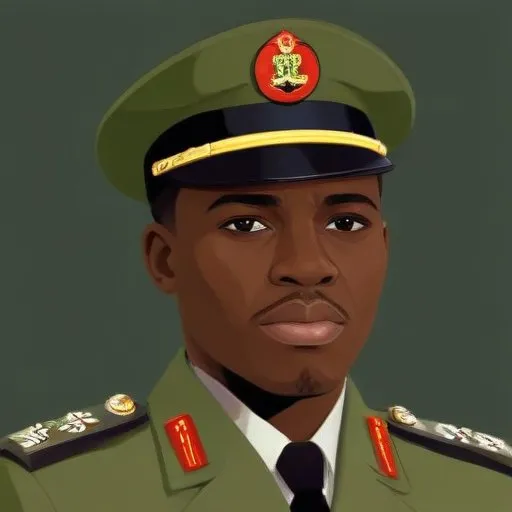
Salihu Ibrahim: The Nigerian Army General Who Held the Reins of Power
A Career of Distinction and Service
Salihu Ibrahim, a Nigerian army general, is best known for his role as Chief of Army Staff from August 1990 to September 1993, during the military regime of General Ibrahim Babangida. Under his leadership, the Nigerian army underwent significant reforms, and Ibrahim's apolitical stance earned him respect among his peers.
Early Life and Military Career
Born on June 25, 1935, Ibrahim joined the Nigerian army in 1956 and underwent officer training at the Nigerian Military Training College. He rose through the ranks, becoming a respected Armored Corps officer and serving as a member of Major General
Muhammadu Buhari's Supreme Military Council from 1984 to 1985.
Rise to Prominence
Ibrahim's career took a significant turn when he became a member of Ibrahim Babangida's Armed Forces Ruling Council. In 1988, he was appointed Commandant of the Nigeria Defence Academy, a position he held until 1990. His leadership skills and military expertise led to his appointment as Chief of Army Staff in August 1990, succeeding General Sani Abacha.
A Test of Leadership
As Chief of Army Staff, Ibrahim faced a significant challenge in asserting his authority, as Abacha, who remained Chairman Joint Chiefs and Minister of Defence, refused to vacate Flag Staff House, the traditional residence of the COAS. Despite this power struggle, Ibrahim continued to serve with distinction, earning the respect of his peers and the nation.
Post-Military Career
In September 1993, Ibrahim retired from the military, and his contributions to the nation were recognized through his appointment as Pro-Chancellor and Chairman of the council of the University of Ilorin. He went on to serve as a member of the board of several companies, including the International Energy Insurance Company, where he served as Chairman as of 2010.
A Legacy of Service
Salihu Ibrahim's legacy is one of dedication, service, and leadership. Throughout his career, he demonstrated unwavering commitment to the Nigerian army and the nation. His ability to navigate complex political landscapes and assert his authority in the face of adversity has earned him a place in Nigerian history.
Personal Milestones and Key Life Events
- Born on June 25, 1935
- Joined the Nigerian army in 1956
- Became a member of Major General Muhammadu Buhari's Supreme Military Council (1984-1985)
- Appointed Commandant of the Nigeria Defence Academy (1988-1990)
- Became Chief of Army Staff (August 1990-September 1993)
- Retired from the military in September 1993
- Died on December 10, 2018, at the age of 83
Influence on Modern Society
Salihu Ibrahim's contributions to the Nigerian army and his role in shaping the nation's military history have had a lasting impact on modern society. His leadership and service have inspired generations of Nigerians, and his legacy continues to be felt today.
FAQ
What was Salihu Ibrahims role in the Nigerian Army?
Salihu Ibrahim was a major general in the Nigerian Army, serving in various capacities, including as the General Officer Commanding 1 Division.
How did Salihu Ibrahims early life influence his military career?
Salihu Ibrahims early life in Nigeria influenced his military career, as he was educated at the Nigerian Defence Academy and went on to serve in the army for several decades.
What were Salihu Ibrahims contributions to Nigerian national security?
Salihu Ibrahim made significant contributions to Nigerian national security, serving in various roles, including as the Director of Military Intelligence.
What awards has Salihu Ibrahim won for his military service?
Salihu Ibrahim has won several awards for his military service, including the Forces Service Star and the Meritorious Service Star.
What was Salihu Ibrahims approach to military leadership?
Salihu Ibrahims approach to military leadership emphasized the importance of discipline, professionalism, and strategic thinking, earning him respect from his peers and subordinates.