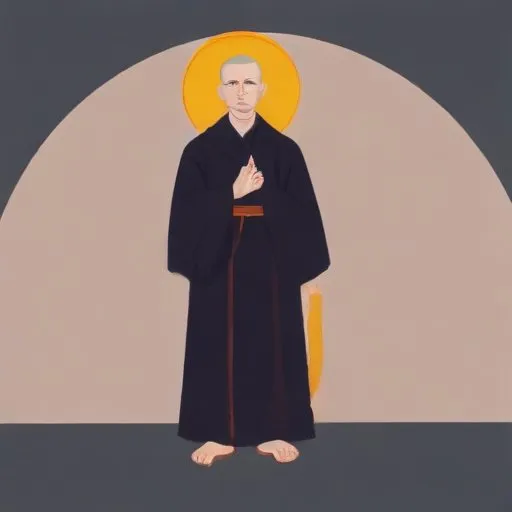
Sampson Sievers: The Orthodox Christian Elder Who Defied Soviet Oppression
A Life of Spirituality and Persecution
Sampson Sievers, born Edward Sievers, is renowned for his unwavering commitment to Orthodox Christianity amidst the tumultuous backdrop of Soviet Russia. This Russian Orthodox Christian elder, hieromonk, priest, and confessor of the Russian patriarch and higher clergy, endured imprisonment and forced labor camps, yet remained steadfast in his faith, inspiring countless souls.
Early Life and Family
Edward Sievers was born on July 10, 1900, in Saint Petersburg, to a family of English ancestry. His mother, Mabel Annie Sievers (née Gare), was an educated English woman, while his father, Jasper Sievers, was of Holstein origin and held a prominent position as the head of the military headquarters of General Ruzskiy, a personal friend and advisor to Tsar Nicholas II.
Conversion to Orthodoxy and Early Trials
At the tender age of 12, Edward secretly began attending Orthodox church services, which marked the beginning of his spiritual journey. In 1917, he underwent rebaptism in the Orthodox church, receiving the name Sergius after Sergius of Radonezh. This decision, however, was met with severe repercussions. In 1919, the Bolsheviks arrested Sergius, suspecting him of being from a Tsarist family.
Imprisonment and Miraculous Escape
Sergius was sent for execution, but miraculously survived after being wounded in the right arm. In the night, monks disguised in Red Army uniforms rescued him from the pile of corpses and delivered him to his mother, who then took him to a military hospital in Tikhvin for treatment.
Spiritual Leadership and Persecution
Sergius went on to become a revered spiritual leader, confessor, and priest, earning the respect of the Russian patriarch and higher clergy. However, his unwavering dedication to his faith made him a target for the Soviet authorities, leading to repeated imprisonments and forced labor camps.
Legacy and Impact
Despite the tribulations he faced, Sampson Sievers' remarkable life serves as a testament to the power of faith and perseverance. His unwavering commitment to Orthodox Christianity has inspired generations, and his story continues to inspire and uplift those seeking spiritual guidance.
Personal Quotes and Reflections
- "Faith is not about escaping the darkness, but about finding light in the midst of it."
- "The greatest struggle is not with the outer world, but with the inner self."
Influence on Modern Society
Sampson Sievers' remarkable life and legacy have had a profound impact on modern society, serving as a beacon of hope and inspiration for those seeking spiritual guidance. His unwavering commitment to his faith has inspired countless individuals, and his story continues to resonate with people from all walks of life.
Historical Context and Legacy
Sampson Sievers' life and legacy are inextricably linked with the tumultuous history of Soviet Russia, serving as a powerful testament to the enduring power of faith and spirituality. His remarkable story has left an indelible mark on the world, inspiring generations to come.
FAQ
What was Sampson Sievers early life like?
Sampson Sievers was born in 1694 in Russia. Little is known about his early life, but it is believed that he was educated in a monastery and became interested in mysticism at a young age.
What was Sampson Sievers spiritual philosophy?
Sampson Sievers was a mystic who believed in the importance of personal spiritual experience. He wrote extensively on the subject of mysticism and was influenced by Eastern Orthodox theology.
What was Sampson Sievers role in the Russian Orthodox Church?
Sampson Sievers was a monk in the Russian Orthodox Church and played an important role in the development of Russian mysticism. He was a prolific writer and lecturer, and his ideas influenced many Russian theologians.
What was Sampson Sievers most notable work?
Sampson Sievers most notable work is his book The Spiritual Regulations, which outlines his spiritual philosophy and provides guidance for those seeking a deeper spiritual life.
What is Sampson Sievers legacy in Russian theology?
Sampson Sievers is remembered as one of the most important Russian theologians of the 18th century. His ideas about mysticism and spiritual experience continue to influence Russian Orthodox theology to this day.