


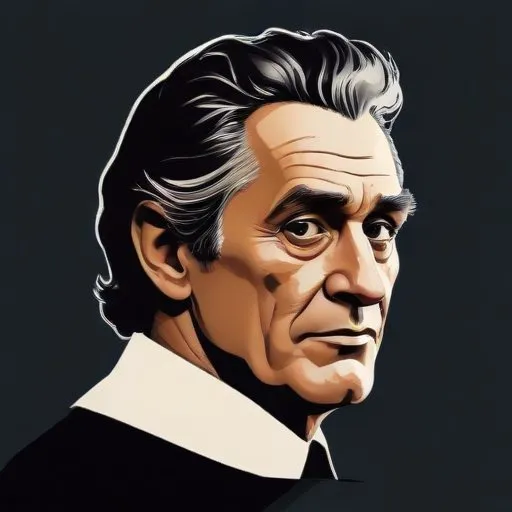
Pioneering filmmaker behind gritty, socially conscious movies and TV shows, often focusing on war, crime, and social justice. Known for his bold, unflinching storytelling style.
Samuel Fuller was an American film director, screenwriter, novelist, journalist, actor, and World War II veteran known for directing low-budget genre movies with controversial themes, often made outside the conventional studio system. His films were a reflection of his bold and unconventional approach to storytelling, tackling complex and often taboo subjects that resonated with audiences worldwide.
Fuller's journey began in Worcester, Massachusetts, where he was born to Jewish parents, Rebecca and Benjamin Fuller. After his father's death in 1923, the family moved to New York City, where Fuller started working as a newspaper copyboy at the age of 12. He became a crime reporter at 17, working for the New York Evening Graphic, and even broke the story of actress Jeanne Eagels' death. During this time, he developed a passion for writing, which led to the publication of his pulp novels, including "The Dark Page" in 1944.
Fuller's foray into filmmaking began in 1936 with his first screenplay for "Hats Off." However, it was his directorial debut with the Western "I Shot Jesse James" in 1949 that marked the beginning of his film career. Throughout the 1950s, Fuller continued to direct several other Westerns and war thrillers, often pushing the boundaries of what was considered acceptable in Hollywood. His films frequently tackled complex themes, such as racism, war, and social injustice, which sparked controversy and earned him both praise and criticism.
In the 1960s, Fuller shifted his focus from Westerns and war movies to more contemporary and experimental projects. His low-budget thriller "Shock Corridor" in 1963 and the neonoir "The Naked Kiss" in 1964 showcased his versatility as a filmmaker and his ability to adapt to changing times. Although he was inactive in filmmaking for most of the 1970s, Fuller returned to the industry in the 1980s with the semi-autobiographical war epic "The Big Red One" and the drama "White Dog" in 1982, which he co-wrote with Curtis Hanson.
Fuller's work had a profound influence on French New Wave filmmakers, including Jean-Luc Godard, who gave him a cameo appearance in "Pierrot le Fou" in 1965. His films inspired a new generation of directors, and his maverick approach to filmmaking paved the way for independent cinema.
Samuel Fuller's legacy extends far beyond his filmography. He was a true original, a filmmaker who refused to conform to Hollywood norms, and his influence can be seen in many aspects of popular culture. From Quentin Tarantino's homages in "Pulp Fiction" to the irreverent style of modern-day filmmakers like Denis Villeneuve, Fuller's impact on the film industry is undeniable.
Fuller's story serves as a testament to the power of creativity and determination. Despite facing numerous challenges throughout his career, he remained true to his vision, and his films continue to inspire and provoke audiences to this day.
Born in 1901
A glamorous and androgynous Hollywood icon, known for her sultry voice, striking features, and trailblazing gender-bending style on screen. She mesmerized audiences with her unique blend of European sophistication and American charm.
Born in 1920
A stunning Hollywood star of the 1940s, known for her striking beauty and memorable performances in film noir classics like "Laura" and "Leave Her to Heaven".
Born in 1899
Iconic leading man of classic Hollywood cinema, starring in timeless films like Casablanca and The African Queen, embodying a tough, charismatic on-screen presence.
Born in 1914
A tough-guy actor who starred in classic Westerns and film noirs, often playing characters with a rugged, cynical edge.
Born in 1913
A veteran actor who appeared in over 150 films and TV shows, starring in the popular TV series "Sea Hunt" and playing iconic roles in films like "Airplane!" and "Hot Shots!"
Born in 1907
A Hollywood legend and iconic leading lady of the 1930s-1950s, starring in classics like "Double Indemnity" and "Ball of Fire", known for her versatility and range in film noir and comedy.
Born in 1911
A master of the macabre, this iconic actor brought eerie elegance to horror films, making the genre a staple of popular culture.
83 Years Old
Acclaimed filmmaker behind gritty, intense, and visually stunning movies that often explore themes of redemption, faith, and the human condition, with a distinctive directing style that blends violence and artistry.
