


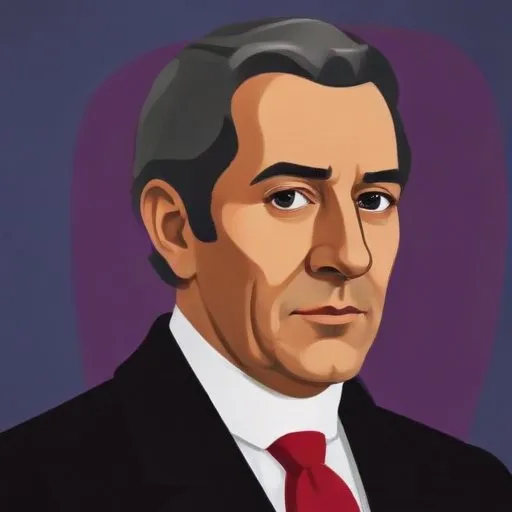
The 31st and 33rd Governor of the Colony of Rhode Island and Providence Plantations was a prominent colonial leader who played a key role in shaping the region's early development. He's most known for his governance and diplomacy during a tumultuous period in American history.
Samuel Ward, a stalwart figure in American history, is renowned for his unwavering commitment to the patriot cause, his distinguished service as a governor of the Colony of Rhode Island and Providence Plantations, and his pivotal role as a delegate to the Continental Congress. As a vocal opponent of the Stamp Act, Ward fearlessly stood against British tyranny, earning him recognition as a champion of American liberty.
Born on May 25, 1725, in Newport, Rhode Island, Ward was the son of Richard Ward, a former governor of the colony. He received a solid education, which laid the foundation for his future success in politics and law. Ward's early life was marked by his close ties to his family and the community, which would later shape his political views and allegiances.
Ward's entry into politics was marked by his involvement in the hard money vs. paper money controversy, where he emphatically supported the use of specie or hard money. This stance pitted him against Stephen Hopkins, a prominent Providence politician, with whom he would engage in a long-standing rivalry. Despite their differences, both men would alternate as governors of the colony, with Ward serving three non-consecutive terms.
During his tenure as governor, Ward played a pivotal role in the founding of Brown University, serving as one of its original trustees. However, his most significant challenge came with the passage of the Stamp Act in 1765. Ward's unwavering opposition to the Act, which imposed a tax on official documents and newspapers without colonial consent, earned him acclaim as a patriot. His resolute stance, despite the potential risks to his position, underscored his commitment to the American cause.
After retiring from politics in 1767, Ward devoted himself to farming in Westerly, Rhode Island. However, he was called back to service in 1774 as a delegate to the Continental Congress, where he played a crucial role in the lead-up to the American Revolution. Ward's dedication to the patriot cause remained unwavering, and he continued to serve until his passing on March 26, 1776.
Samuel Ward's legacy extends far beyond his accomplishments as a governor and politician. His bravery in the face of British tyranny, his commitment to the patriot cause, and his leadership in the Continental Congress have cemented his place as a hero of American history. As a testament to his enduring impact, Ward's name remains synonymous with courage, conviction, and unwavering dedication to the principles of American liberty.
Today, Samuel Ward's legacy continues to inspire Americans, serving as a beacon of hope and courage in the face of adversity.
93 Years Old
A legendary actress and icon of 1980s television, starring in the hit series "Dynasty" as the powerful and glamorous Alexis Carrington. She's a symbol of luxury, drama, and strong female characters.
Born in 1588
A 17th-century English lawyer and politician who played a key role in establishing the Massachusetts Bay Colony and shaping its early government and laws. He's known for his "City upon a Hill" sermon, which emphasized the colony's mission to create a model Christian community.
95 Years Old
Pioneering liver disease researcher and professor who made significant contributions to the understanding and treatment of liver transplantation and hepatology.
Born in 1591
A charismatic Puritan preacher who challenged the authority of the church and advocated for personal religious experience, sparking controversy and eventually leading to her banishment from the Massachusetts Bay Colony.
Born in 1711
A British colonial leader who governed Massachusetts Bay Province, sparking American Revolution tensions with his loyalist stance and taxation policies. He's infamous for his role in the Boston Tea Party.
Born in 1722
A leading figure in the American Revolution, he played a key role in shaping the country's independence and democracy. He's also famous for his Boston Beer Company, which still brews his namesake beer today.
Born in 1737
First Governor of Massachusetts, instrumental in American independence and famously signed the Declaration of Independence with a large, bold signature .
Born in 1725
A leading advocate for American independence from Britain, known for his passionate arguments against taxation without representation, inspiring the Boston Patriots and shaping the Revolution.
