


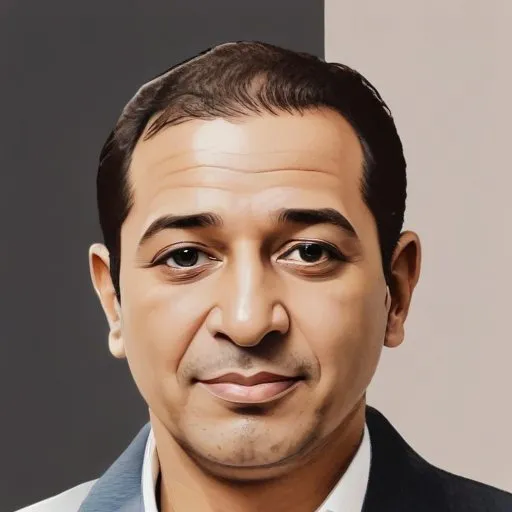
Egyptian music icon who revolutionized Arabic music with his unique blend of traditional and Western styles, creating a new wave of popular music in the Middle East.
Sayed Darwish, the pioneering Egyptian singer and composer, is revered as the father of Egyptian popular music, leaving an indelible mark on the country's rich cultural heritage. With his unique blend of traditional Arabic music and modern sensibilities, Darwish's contributions to the music world continue to inspire generations of artists and music enthusiasts alike.
Born in Alexandria on March 17, 1892, Darwish's humble beginnings belied his future success. Despite his family's financial struggles, he was sent to a religious school, where he mastered the recitation of the Quran under the guidance of Muhammad Salamah. This early education laid the foundation for his later musical endeavors.
After completing his religious studies, Darwish pursued his passion for music at a local music school, where his talents were recognized and nurtured by his teacher. This pivotal moment marked the beginning of his musical journey, as he began to explore the world of Arabic music.
Darwish's big break came when he was discovered by the manager of the Syrian Attalah Brothers' theatrical troupe, who was impressed by his singing talents. This opportunity allowed him to tour Syria, where he received a musical education and gained valuable experience performing on stage.
Upon his return to Egypt, Darwish's unique style and compositions began to gain recognition, particularly in the cafs and on stages, where he would perform alongside other renowned musicians of the time. Despite facing initial struggles, including a less-than-impressive stage presence, Darwish persevered, driven by his passion for music.
Darwish's innovative approach to Arabic music incorporated traditional adwr musical modes and muwashshat poetic forms, which captivated audiences and critics alike. His compositions not only reflected the soul of Egypt but also helped shape the country's musical identity.
Throughout his career, Darwish's dedication to his craft earned him widespread acclaim, with many considering him Egypt's single greatest composer. His influence extends beyond his own music, inspiring a new generation of artists to experiment and push the boundaries of Arabic music.
Darwish's music embodied the spirit of Egyptian culture, reflecting his deep respect for the country's rich heritage. Through his compositions, he aimed to preserve and promote the beauty of Arabic music, ensuring its relevance for future generations.
Sayed Darwish's influence extends beyond the music world, with his legacy shaping Egypt's cultural identity and inspiring a sense of national pride. His contributions have paved the way for future generations of artists, fostering a deep appreciation for Arabic music and culture.
"Music is the language of the soul, and Arabic music is the essence of our cultural heritage." - Sayed Darwish
Sayed Darwish's remarkable life and career serve as a testament to the power of passion, perseverance, and innovation. As a pioneering figure in Egyptian music, his legacy continues to inspire and influence artists, ensuring the timeless appeal of Arabic music.
Born in 1910
A Syrian actor and singer who dominated the Arabic music scene with his unique voice and charismatic on-screen presence, starring in over 30 films and producing numerous hit songs.
