


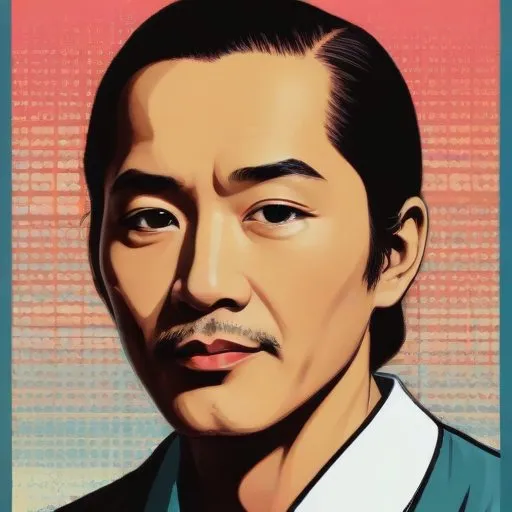
Creator of iconic peace statues and monuments, symbolizing hope and reconciliation, often featuring doves and angels.
Seibo Kitamura is renowned as the mastermind behind the iconic 13-meter-tall Peace Statue in Nagasaki Peace Park, a monument that stands as a poignant reminder of the devastating effects of war and a beacon for world peace. This monumental work, which has become synonymous with Kitamura's name, testifies to his artistic prowess and philosophical convictions, cementing his status as a visionary sculptor of his time.
Born on December 16, 1884, in Minamiarima, Nagasaki (now Minamishimabara), Kitamura embarked on his artistic journey by enrolling in Kyoto City University of Arts in 1903 to study sculpture. He graduated in 1907 and further honed his skills at the Tokyo School of Fine Arts, receiving a second sculpture degree in 1912. Following his military service, Kitamura dedicated himself to sculpture full-time, eventually becoming a professor at the Tokyo School of Fine Arts in 1921.
Kitamura's professional trajectory was marked by numerous accolades and honors. In 1925, he was inducted into the prestigious Japan Art Academy, solidifying his position within the art fraternity. Although he participated in the 1932 Summer Olympics' art competitions, submitting his work to the Mixed Sculpturing category, he did not secure a medal.
The Peace Statue, designed by Kitamura, was selected in an open contest and unveiled to the public on April 1, 1955, coinciding with the opening of Nagasaki Peace Park. This colossal masterpiece, situated near the hypocenter of the 1945 atomic bomb explosion, serves as a poignant memorial to the victims of the devastating event. The statue's design embodies the principles of peace, warning of the dangers of war, while also exuding a sense of hope and resilience.
Kitamura's work is deeply rooted in his philosophical convictions, which emphasize the importance of peace, coexistence, and humanity. Through his art, he sought to convey the devastating consequences of war and the imperative need for nations to strive towards peaceful resolutions. This philosophical orientation is palpable in the Peace Statue, which has become an iconic symbol of Nagasaki's history and a beacon for global peace.
Kitamura's contributions to the world of art and peace initiatives have left an indelible mark on Nagasaki's history and Japan's cultural landscape. His Peace Statue has become an iconic landmark, attracting visitors from around the world. Through his art and philosophy, Kitamura has inspired generations, fostering a deeper understanding of the importance of peace and international cooperation.
Kitamura passed away on March 4, 1987, at the remarkable age of 102, leaving behind a legacy that continues to inspire and educate people about the significance of peace and the devastating consequences of war.
97 Years Old
A visionary artist creating immersive, psychedelic environments and sculptures covered in colorful polka dots, exploring themes of infinity and self-obliteration.
93 Years Old
A pioneering multimedia artist and musician who blurred the lines between art, music, and activism, creating thought-provoking and often controversial works that challenged societal norms.
Born in 1904
A pioneering artist who blended Eastern and Western styles to create innovative sculptures and public spaces that harmonize nature and architecture. Known for iconic designs like the Noguchi coffee table and playgrounds that encourage creative play.
41 Years Old
A Japanese model and actress known for her striking features and versatility in runway and editorial work, as well as her roles in films like "The Wolverine" and "Hannibal".
Born in 1913
A pioneer of modernist architecture, blending traditional Japanese styles with international modernism, creating iconic buildings like Tokyo's Olympic Stadium.
