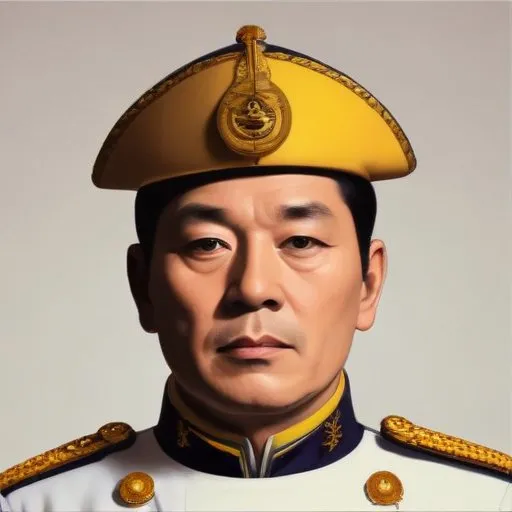
Shigematsu Sakaibara: The Controversial Imperial Japanese Navy Admiral
A Convicted War Criminal and Wake Island's Notorious Garrison Commander
Shigematsu Sakaibara is notoriously known for ordering the Wake Island massacre, resulting in the brutal murder of 98 American civilians by Japanese soldiers during World War II. As the garrison commander on Wake Island, Sakaibara's actions led to one of the most heinous war crimes in history, earning him a reputation as a ruthless and brutal leader.
Early Life and Military Career
Born on December 28, 1898, in Yamagata Prefecture, northern Japan, Sakaibara graduated from the Imperial Japanese Navy Academy in 1918, ranking 36th in a class of 124. He served on various naval vessels, including the cruiser Tokiwa, destroyer Kaba, and battleship Mutsu, gradually rising through the ranks.
Rise to Prominence and War Crimes
After completing his midshipman tour, Sakaibara was appointed chief gunnery officer on the Tatsuta and later promoted to lieutenant commander in 1930. He served as chief gunnery officer on the Takao and Mutsu, demonstrating his expertise and earning him a reputation as a skilled naval officer. However, his involvement in the Battle of Wake Island on December 23, 1941, marked a dark turning point in his career.
The Wake Island Massacre
As the garrison commander on Wake Island, Sakaibara ordered the American civilian workers to construct bunkers and fortifications in preparation for a suspected amphibious invasion. On October 5, 1943, aircraft from USS Yorktown bombed Wake Island, prompting Sakaibara to order the beheading of an American civilian worker caught stealing. Fearing an invasion, Sakaibara ordered the remaining 97 American civilians to be killed. They were taken to the northern end of the island, blindfolded, and machine-gunned.
Trial and Execution
Following Japan's surrender, Sakaibara was tried for war crimes at the Guam War Crimes Tribunal in 1946. He was found guilty of his involvement in the Wake Island massacre and sentenced to death. Sakaibara was executed on June 19, 1947, bringing a measure of justice to the victims and their families.
Lasting Legacy
Shigematsu Sakaibara's brutal actions on Wake Island stained his legacy as a naval officer, rendering him a symbol of the atrocities committed during World War II. His story serves as a poignant reminder of the devastating consequences of war and the importance of upholding human rights and dignity.
Quotes and Memorable Sayings
- "I was told to kill them, and I did."
- "I had to take responsibility for the defense of the island."
These chilling quotes, spoken during his trial, highlight the callous disregard for human life that characterized Sakaibara's actions on Wake Island.
FAQ
What was Shigematsu Sakaibaras role in the Imperial Japanese Navy?
Shigematsu Sakaibara was a Japanese admiral who served in the Imperial Japanese Navy during World War II, playing a key role in several significant naval battles.
What was Shigematsu Sakaibaras involvement in the Battle of Midway?
Shigematsu Sakaibara was involved in the Battle of Midway, one of the most significant naval battles of World War II, as the commander of the Japanese aircraft carrier Hiryu.
What was Shigematsu Sakaibaras role in the Japanese occupation of Indonesia?
Shigematsu Sakaibara served as the commander of the Japanese occupation forces in Indonesia during World War II.
What was Shigematsu Sakaibaras fate after the war?
After the war, Shigematsu Sakaibara was tried and executed for war crimes, specifically for his role in the mistreatment and execution of Allied prisoners of war.
What was Shigematsu Sakaibaras early life and education?
Shigematsu Sakaibara was born in 1897 in Japan and graduated from the Imperial Japanese Naval Academy in 1918.