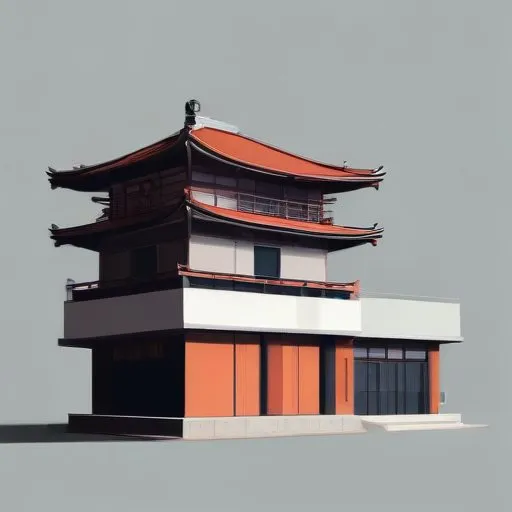
Shin Takamatsu: The Visionary Japanese Architect
Known for his futuristic and avant-garde architectural designs, Shin Takamatsu is a renowned Japanese architect who has left an indelible mark on the world of architecture. With a career spanning over four decades, Takamatsu has designed numerous iconic buildings that blend functionality with artistic expression.
Early Life and Education
Born on August 5, 1948, in Nima, Shimane, Japan, Takamatsu developed a passion for architecture from a young age. He pursued his dream by enrolling in the Kyoto University, where he earned his PhD in architecture in 1980.
Career Highlights
Takamatsu's academic background laid the foundation for a successful career in architecture. He began his teaching career as a lecturer at Osaka University of Arts in 1981 and later became an associate professor at Kyoto Seika University in 1987. In 1997, he was appointed as a professor at the Graduate School of Engineering, Kyoto University, a position he held until 2013, when he became a professor emeritus.
Notable Projects
Takamatsu's architectural designs are characterized by their futuristic and often anthropomorphic or mechanical imagery. Some of his notable projects include:
- Komakinetei (1977), Hyogo Prefecture, Japan
- Kido Clinic (1978), Kitaku, Kyoto, Japan
- Yamamoto Atelier (1978), Nishikyoku, Kyoto, Japan
- Saifukuji Temple (1982), Kani, Gifu, Japan
- Kyoto Traditional Craft Expo Theme Pavilion (1984), Minamiku, Kyoto, Japan
Philosophical Contributions
Takamatsu's architectural philosophy is centered around the concept of "designing for people." He believes that buildings should be designed to enhance the human experience, rather than simply being functional structures. His designs often blend seamlessly into their surroundings, creating a sense of harmony between nature and architecture.
Influence on Modern Society
Takamatsu's work has had a profound impact on modern society. His futuristic designs have inspired a new generation of architects to think outside the box and challenge conventional norms. His emphasis on sustainability and environmental consciousness has also contributed to a greater awareness of the importance of eco-friendly architecture.
Awards and Honors
Takamatsu has received numerous awards and honors for his contributions to architecture. These include the prestigious Japan Institute of Architects Prize and the Kyoto Prefecture Cultural Award.
Legacy
Shin Takamatsu's legacy extends far beyond his architectural designs. He has inspired a new generation of architects to push the boundaries of innovation and creativity. His emphasis on sustainability and environmental consciousness has contributed to a greater awareness of the importance of eco-friendly architecture. As a professor emeritus, Takamatsu continues to inspire and educate young architects, ensuring that his legacy will live on for generations to come.
FAQ
What is Shin Takamatsus contribution to architecture?
Shin Takamatsu is a renowned Japanese architect and academic who has made significant contributions to the field of architecture, particularly in the area of sustainable design.
What buildings has Shin Takamatsu designed?
Shin Takamatsu has designed several notable buildings, including the Tokyo Metropolitan Government Building and the Osaka Prefectural Government Building.
What is Shin Takamatsus architectural style?
Shin Takamatsus architectural style is characterized by simplicity, functionality, and a focus on environmental sustainability.
Has Shin Takamatsu received any awards?
Yes, Shin Takamatsu has received several awards for his contributions to architecture, including the Japan Architecture Prize.
What is Shin Takamatsus academic background?
Shin Takamatsu has a strong academic background, having studied architecture at the University of Tokyo and later teaching at several prestigious institutions.