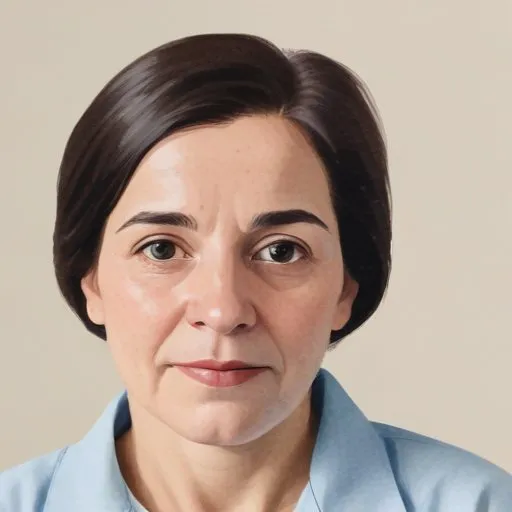
Shirley Ardell Mason: The Woman Behind the Multiple Personalities
Shirley Ardell Mason, an American art teacher, is notoriously known for her reported dissociative identity disorder, formerly known as multiple personality disorder. Her life was chronicled in the 1973 book
Sybil, subtitled
The True Story of a Woman Possessed by 16 Separate Personalities, which was later adapted into two films, one in 1976 and another in 2007.
A Turbulent Childhood
Born on January 25, 1923, in Dodge Center, Minnesota, Mason grew up in a seemingly idyllic small town. However, her childhood was marked by instability and unusual behavior from her mother, Martha Alice Mattie Atkinson. Mattie's erratic behavior, which included walking around at night and peering into neighbors' windows, raised eyebrows in the community. The family's dynamics were further complicated by Mattie's diagnosis with schizophrenia.
The Emergence of Multiple Personalities
Mason's own emotional struggles began to manifest in her early adult years. She suffered from blackouts and emotional breakdowns, prompting her to seek psychotherapy with Cornelia B. Wilbur in the early 1950s. It was during this treatment that Mason's multiple personalities allegedly emerged, with Wilbur diagnosing her with 16 distinct personalities. The most prominent of these personalities was Peggy Lou, a seductive and flirtatious alter ego.
The Controversy Surrounding Her Diagnosis
Mason's diagnosis and treatment under Wilbur have been subject to controversy and criticism. Some have alleged that Wilbur manipulated or misdiagnosed Mason, potentially fabricating the multiple personalities for her own gain. Mason herself later claimed that she did not have multiple personalities and that the symptoms had not been genuine. However, the accuracy of this statement remains disputed, leaving many to question the authenticity of Mason's diagnosis.
A Life of Art and Teaching
Despite her personal struggles, Mason found solace in art and teaching. She graduated from Dodge Center High School in 1942 and went on to study art at Mankato State College (now Minnesota State University, Mankato). Later, she became a substitute teacher and art student at Columbia University. Mason's passion for art and education remained a constant throughout her life, serving as a source of comfort amidst her turbulent experiences.
Legacy and Impact
Shirley Ardell Mason's story, as chronicled in
Sybil, has captivated audiences for decades, raising awareness about dissociative identity disorder and sparking conversations about the complexities of the human psyche. While controversy surrounds her diagnosis, Mason's life remains an enigmatic and thought-provoking tale of resilience and survival. Her legacy continues to inspire and intrigue, reminding us that even the most extraordinary stories often hold a grain of truth.
FAQ
What is Shirley Ardell Masons connection to the book Sybil?
Shirley Ardell Mason was the inspiration for the book Sybil, which tells the story of her struggles with dissociative identity disorder (DID) and her therapy with Dr. Cornelia B. Wilbur.
What is Shirley Ardell Masons role in the history of psychiatry?
Shirley Ardell Masons case was one of the first to be extensively documented and studied, providing valuable insights into the diagnosis and treatment of dissociative identity disorder.
How did Shirley Ardell Masons case influence the understanding of dissociative identity disorder?
Shirley Ardell Masons case helped to raise awareness about dissociative identity disorder and sparked research into the condition, leading to improved diagnostic criteria and treatment approaches.
What was Shirley Ardell Masons life like?
Shirley Ardell Masons life was marked by struggles with mental health and her experiences with dissociative identity disorder, which were documented in the book Sybil and in subsequent accounts.
How is Shirley Ardell Mason remembered in the field of psychiatry?
Shirley Ardell Mason is remembered as a courageous individual who contributed significantly to our understanding of dissociative identity disorder, and whose story has helped to reduce stigma and promote awareness about mental health.