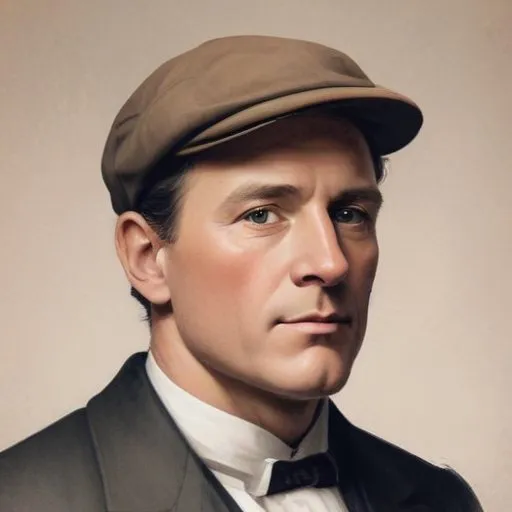
Sidney Dillon Ripley: The Visionary Ornithologist Behind the Smithsonian Institution's Golden Era
A Legacy of Conservation and Growth
Sidney Dillon Ripley II, a renowned American ornithologist and wildlife conservationist, left an indelible mark on the scientific community and beyond. As the Secretary of the Smithsonian Institution from 1964 to 1984, Ripley spearheaded the institution's most significant period of growth and expansion, cementing his reputation as a visionary leader.
Early Life and Education
Born on September 20, 1913, in New York City, Ripley was the younger brother of Louis Ripley, and the great-grandson of Sidney Dillon, the twice President of the Union Pacific Railroad. His mother, Constance Baillie Rose, was of Scottish descent, and his father, Louis Arthur Dillon Ripley, was a wealthy real estate agent. Ripley's early education was marked by frequent travels and exposure to the natural world. He attended the Montessori Kindergarten School on Madison Avenue, and later studied at Rivers School in Boston. In 1926, he followed in his brother's footsteps, attending St. Paul's School in Concord, New Hampshire. Ripley graduated with a Bachelor of Arts from Yale University in 1936.
A Career Dedicated to Conservation
Ripley's passion for ornithology led him to become a respected authority in the field. He was a prolific researcher, publishing numerous papers on bird species and their habitats. His work took him to various parts of the world, including British Columbia, where his mother's relatives lived. In 1964, Ripley was appointed Secretary of the Smithsonian Institution, a position he held for 20 years. During his tenure, he oversaw the expansion of the institution's museum collections, research programs, and educational initiatives.
Awards and Honors
Ripley's leadership and contributions to the field of ornithology earned him numerous accolades. In 1985, he was awarded the Presidential Medal of Freedom by
Ronald Reagan, the highest civilian honor in the United States.
Personal Milestones and Key Life Events
- In 1918, Ripley's mother moved to Cambridge, Massachusetts, where he developed a deep appreciation for nature.
- In 1924, he traveled to Europe with his mother, further cultivating his love for the natural world.
- In 1936, Ripley graduated from Yale University, marking the beginning of his academic and professional pursuits.
Influence on Modern Society
Ripley's tireless advocacy for wildlife conservation and education has had a lasting impact on modern society. His leadership at the Smithsonian Institution helped raise awareness about the importance of preserving natural habitats and promoting environmental stewardship. His legacy continues to inspire new generations of scientists, conservationists, and educators.
Philosophical Contributions and Beliefs
Ripley's work was guided by a deep respect for the natural world and a commitment to preserving its wonders for future generations. He believed that education and research were essential tools in the quest to protect the environment and promote sustainable development.
Legacy and Historical Context
Sidney Dillon Ripley II left an indelible mark on the scientific community, conservation efforts, and the Smithsonian Institution. His leadership, vision, and dedication to the natural world have inspired countless individuals to pursue careers in science, education, and conservation. As we reflect on his life and legacy, we are reminded of the importance of preserving the natural world and promoting environmental stewardship for the benefit of all humanity.
FAQ
What was Sidney Dillon Ripleys contribution to ornithology?
Sidney Dillon Ripley was an American ornithologist and academic who made significant contributions to the field of ornithology. He was a leading expert on birds of the Indian subcontinent and Southeast Asia.
How did Sidney Dillon Ripleys work influence the development of ornithology?
Sidney Dillon Ripleys work had a significant impact on the development of ornithology. He discovered new species of birds, described new genera, and developed innovative methods for studying bird behavior and ecology.
What was Sidney Dillon Ripleys approach to studying birds?
Sidney Dillon Ripleys approach to studying birds was characterized by his emphasis on fieldwork and observation. He spent many years conducting research in the field, studying birds in their natural habitats.
How did Sidney Dillon Ripleys work impact conservation efforts?
Sidney Dillon Ripleys work had a significant impact on conservation efforts. He was a strong advocate for the protection of bird habitats and the conservation of endangered species.
What is Sidney Dillon Ripleys legacy in the field of ornithology?
Sidney Dillon Ripleys legacy in the field of ornithology is that of a pioneering ornithologist who made significant contributions to our understanding of birds and their habitats. His work continues to inspire and inform ornithologists and conservationists today.