


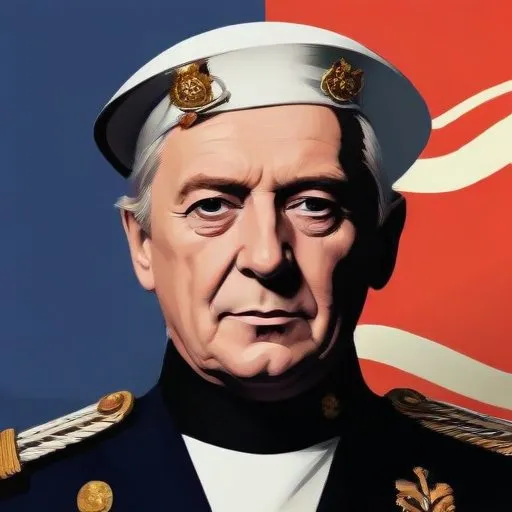
A British naval hero who played a key role in the French Revolutionary and Napoleonic Wars, known for his bravery and tactical genius. He also served as a Member of Parliament and advocated for naval reform.
Sir William Sidney Smith is remembered as a British naval and intelligence officer who defied convention and made a name for himself in the Napoleonic Wars. He is best known for leading the successful defense of Acre in 1799, an achievement that earned him recognition as a hero in Britain and the admiration of his arch-nemesis, Napoleon Bonaparte.
Sidney Smith was born on June 21, 1764, into a military and naval family with connections to the Pitt family. He attended Tonbridge School until 1772 and joined the Royal Navy in 1777, fighting in the American Revolutionary War. Smith's early career was marked by bravery and entrepreneurship, as he quickly rose through the ranks and gained recognition for his actions.
Smith's military prowess and personal intelligence led to his involvement in a variety of tasks, including warfare, diplomacy, and espionage. He served under several prominent naval officers, including Commander Jalheel Brenton and Admiral George Rodney, and distinguished himself in several battles, including the Battle of the Chesapeake and the Battle of the Saintes.
In 1799, Smith led the successful defense of Acre, thwarting Napoleon's plans to conquer the Sinai. This victory earned him recognition as a hero in Britain and cemented his reputation as a bold and cunning military strategist.
Napoleon Bonaparte, Smith's arch-nemesis, later reminisced about their rivalry, saying, "That man made me miss my destiny." This quote is a testament to the impact Smith had on Napoleon's plans and the respect he earned from his enemy.
Smith was known for his outspoken character and penchant for acting on his own initiative, which often caused friction with his superiors and colleagues. Despite these challenges, Smith remained committed to his duties and continued to serve with distinction.
Smith continued to serve in the Royal Navy, rising to the rank of Admiral. He remained involved in naval affairs and served as a member of Parliament. Smith passed away on May 26, 1840, leaving behind a legacy as a daring naval officer and master of espionage.
Sidney Smith's legacy serves as a testament to the importance of adaptability, creativity, and bravery in the face of adversity. His actions during the Napoleonic Wars continue to inspire and educate historians and naval enthusiasts alike, offering a unique glimpse into the complexities of warfare and diplomacy during this period.
Sir William Sidney Smith's remarkable career serves as a reminder of the power of innovation, determination, and courage in the face of adversity. His legacy continues to captivate and inspire, offering a fascinating glimpse into the world of naval warfare and espionage during the Napoleonic Wars.
66 Years Old
A renowned jockey and trainer, he won numerous prestigious races, including the Epsom Derby and St. Leger Stakes, and was known for his exceptional riding skills and innovative training methods.
Born in 1744
An 18th-century naval commander and Member of Parliament, known for his victories in the American Revolutionary War and his role in shaping British naval strategy.
