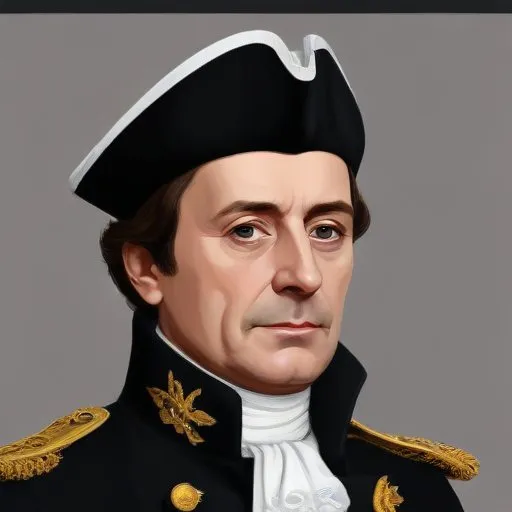
Sir Albemarle Bertie, 1st Baronet

Sir Albemarle Bertie, 1st Baronet

Sir Albemarle Bertie, 1st Baronet was born on January 20th, 1755

Full Name: Sir Albemarle Bertie, 1st Baronet
Nationality: English
Profession: Admiral
Place of Birth: Stoke Albany, Northamptonshire
Date of Birth: 20 January 1755
Died: 24 February 1824
Notable Works: Naval service
Title: 1st Baronet

A British naval officer who played a significant role in the Anglo-Dutch Wars, particularly in the Battle of Lowestoft in 1665, and was later knighted for his services.

Written by: Oliver Wren Oliver Wren

Sir Albemarle Bertie, 1st Baronet: A Life of Controversy and Naval Valor

Sir Albemarle Bertie, 1st Baronet, is remembered as a seasoned officer of the Royal Navy, whose long and storied career was marked by both bravery and controversy. Despite facing criticism for his actions during key battles, Bertie's unwavering dedication to the Navy earned him a baronetcy and the prestigious Order of the Bath.

Early Life and Naval Career

Born on January 20, 1755, in Swinstead, Lincolnshire, Bertie was the natural son of Lord Albemarle Bertie, brother of the 3rd Duke of Ancaster and Kesteven and the 5th Duke of Ancaster and Kesteven. Much of his childhood remains shrouded in mystery, but it is known that he entered the Navy, eventually becoming a lieutenant in December 1777, at the age of 22.

The American Revolutionary War and Early Controversies

Bertie's early naval career was punctuated by his involvement in the American Revolutionary War. In 1778, he witnessed combat as a prisoner of war in France after the Fox, his ship, was taken by the French Junon. Following his exchange, Bertie spent two years without a ship, before re-entering the fray. It was during this period that he became embroiled in controversy, facing criticism for his actions during the Glorious First of June and later for pulling rank on a subordinate officer just days before the capture of the French island of Mauritius.

Rise to Prominence and Later Life

Despite these controversies, Bertie's dedication to the Navy was rewarded with a baronetcy and the Order of the Bath. He continued to serve, eventually retiring in 1813 to his country estate at Donnington, Berkshire. Bertie's later life was marked by a sense of quiet contemplation, far removed from the tumultuous seas he once navigated.

Legacy and Impact

Sir Albemarle Bertie, 1st Baronet, left an indelible mark on the Royal Navy, despite the controversies that swirled around him. His bravery in the face of overwhelming odds and his unwavering dedication to the service earned him a place in the annals of naval history. Bertie's legacy serves as a testament to the complexities of human nature, reminding us that even the most flawed individuals can leave a lasting impact.

Through the tumultuous waters of his career, Bertie navigated the complexities of naval politics, emerging as a testament to the enduring power of human resilience.

Timeline
1755
Born in London
Sir Albemarle Bertie was born in London, England, into a naval family.
1779
Joined the Royal Navy
Bertie joined the Royal Navy as a midshipman, starting his naval career.
1795
Participated in French Revolutionary Wars
Bertie participated in the French Revolutionary Wars, fighting in several battles.
1815
Present at the Battle of Waterloo
Bertie was present at the Battle of Waterloo, where he helped defeat Napoleons forces.
1824
Died in England
Sir Albemarle Bertie died in England, leaving behind a legacy as a distinguished naval officer.
Sir Albemarle Bertie, 1st Baronet

Sir Albemarle Bertie, 1st Baronet Quiz

What was Sir Albemarle Bertie, 1st Baronet's profession?

Score: 0/5
FAQ
Who was Sir Albemarle Bertie, 1st Baronet and what was his role in the British Navy?
Sir Albemarle Bertie, 1st Baronet was an English admiral, who played a significant role in the British Navy during the 18th century. He served as a naval officer, rising to the rank of admiral, and was known for his bravery and leadership skills.
What was Sir Albemarle Berties role in the American Revolutionary War?
Sir Albemarle Bertie played a significant role in the American Revolutionary War, serving as a naval commander in the British fleet. He was involved in several key battles, including the Battle of Ushant and the Battle of Cape St. Vincent.
How did Sir Albemarle Berties naval career reflect his personality and skills?
Sir Albemarle Berties naval career reflected his personality and skills as a brave, skilled, and strategic leader. He was known for his ability to make quick decisions and his willingness to take risks, which earned him the respect of his peers and subordinates.
What honors and awards did Sir Albemarle Bertie receive for his service?
Sir Albemarle Bertie received several honors and awards for his service, including the baronetcy, which was conferred upon him in 1766. He was also awarded the Knight Bachelor degree and was made a Knight of the Order of the Bath.
What is Sir Albemarle Berties legacy in British naval history?
Sir Albemarle Berties legacy in British naval history is that of a skilled and courageous naval officer, who played a significant role in the development of the British Navy during the 18th century. He is remembered as a heroic figure, whose bravery and leadership skills inspired his contemporaries and continue to be celebrated today.

Related People:

Richard Rowe

67 Years Old

A renowned jockey and trainer, he won numerous prestigious races, including the Epsom Derby and St. Leger Stakes, and was known for his exceptional riding skills and innovative training methods.