


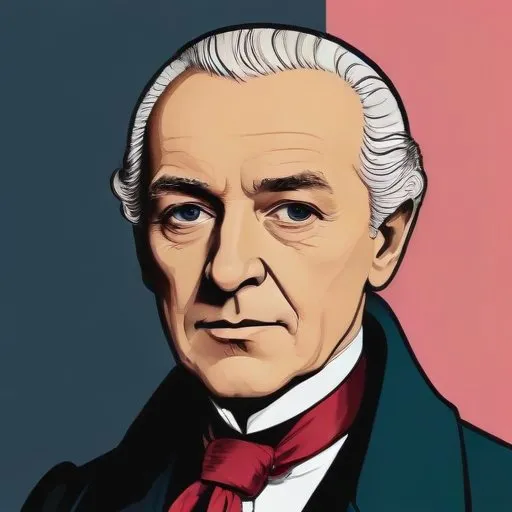
A 17th-century politician who served in the English Parliament and was a strong advocate for the rights of the common people. He's most known for his role in the English Civil War and his efforts to limit the power of the monarchy.
Sir Alexander Carew, 2nd Baronet, was a prominent English landowner, soldier, and politician who played a significant role in the First English Civil War. He is most notable for his unwavering support for Parliament and his bravery as a commander, which ultimately led to his execution for treason in 1644.
Born on August 30, 1608, Sir Alexander was the eldest surviving son of Sir Richard Carew, 1st Baronet, and his first wife, Bridget Chudleigh. He had four half-brothers from his father's second marriage to Grace Rolle, including John Carew, who would later sign the death warrant for Charles I and be executed for treason in 1660.
In 1628, Sir Alexander entered the Middle Temple to acquire legal training, which was considered an essential part of a gentleman's education. This experience would later serve him well in his political and military pursuits.
In November 1640, Sir Alexander was elected Member of Parliament for Cornwall, a position that allowed him to exercise his strong opinions and advocate for reform. He voted for the execution of the Earl of Strafford in May 1641 and supported the removal of bishops from the Church of England.
When the First English Civil War broke out in August 1642, Sir Alexander was one of the few Cornish gentry who backed Parliament. His commitment to the cause earned him the appointment as commander of St Nicholas Island, a strategic defensive position for Plymouth, in March 1643.
In August 1643, Sir Alexander attempted to switch sides and handed over St Nicholas Island to the Royalists. This decision led to his arrest and subsequent trial for treason. Despite his efforts to justify his actions, he was found guilty and executed by firing squad on December 23, 1644.
This event demonstrated Parliament's commitment to winning the war and served as a warning to others who might consider defecting to the Royalist cause.
Sir Alexander married Jane Rolle in 1631, and they had five children who lived to adulthood. His family life was marked by tragedy, including the execution of his half-brother John Carew in 1660 and the death of his father in 1643.
Despite his untimely death, Sir Alexander Carew left a lasting legacy as a courageous parliamentarian and soldier who fought for his convictions. His contributions to the English Civil War and his ultimate sacrifice continue to inspire and educate historians and scholars to this day.
For those interested in learning more about Sir Alexander Carew and his role in the English Civil War, there are numerous historical accounts and scholarly articles available. These resources provide a deeper understanding of his motivations, actions, and legacy, offering a nuanced perspective on this complex and fascinating figure.
Born in 1561
A 16th-17th century Renaissance figure who pioneered the scientific method and empiricism, and served as a prominent government official.
