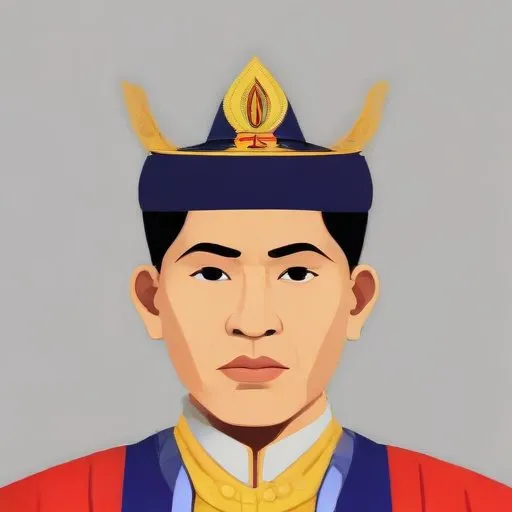
Sisavang Vong

Sisavang Vong

Sisavang Vong was born on July 14th, 1885

Full Name: Sisavang Vong
Nationality: Laotian
Occupation: King
Reign: 1904-1959
Profession: Monarch
Known For: Laotian monarchy
Career: Royal duties
Dynasty: Lan Xang

The last king of the Kingdom of Laos, ruling from 1904 to 1959, he oversaw the country's transition to independence from French colonial rule. He's remembered for his efforts to modernize and unify Laos.

Written by: Lisa Chang Lisa Chang

Sisavang Vong: The Founding King of Laos and Unifier of the Lao Kingdoms

Sisavang Vong, also known as King Sisavangvong, is revered as the last ruler of the Lao Kingdom of Luang Prabang and the founding king of the Kingdom of Laos. He is renowned for uniting various Lao kingdoms and provinces under his authority, marking the first time in almost 250 years that a Lao monarch ruled the whole of Laos.

Early Life and Education

Born on 14 July 1885, Prince Khao, later known as King Sisavangvong, was the eldest surviving son of King Zakarinth and Queen Consort Thongsy. He was born in the Golden Palace during his father's reign under French colonial authority. During his childhood, Khao studied at the Lyce Chasseloup-Laubat in Saigon and later at the école Coloniale, where he gained a strong foundation in French and Western education.

Ascension and Early Reign

Prince Khao became heir apparent on 15 April 1904 following the death of his father on 26 March 1904. He ascended the throne at the Old Royal Palace in Luang Prabang and was crowned King Sisavangvong on 4 March 1905. In the early years of his reign, Sisavang Vong's residence, the Royal Palace of Luang Prabang, was built by the French.

Unification of the Lao Kingdoms

King Sisavangvong is credited with uniting several provinces under his authority, including:

  • Houaphan in 1931
  • Houakhong, Xiengkhouang, and Vientiane in 1942
  • Champassak and Sayboury in 1946

Throughout his reign, Sisavang Vong consistently supported French colonial authority, which led to his brief dethronement by the Lao Issara in 1945. However, he was reinstated as monarch by the French in 1946.

Legacy and Impact

King Sisavangvong's legacy is marked by his efforts to unify the Lao kingdoms and strengthen the country's independence. He played a crucial role in shaping the modern Kingdom of Laos and is remembered as a pioneering figure in Lao history.

Personal Milestones and Key Life Events

In addition to his remarkable reign, King Sisavangvong's personal milestones include:

  • Marriage to Queen Khamphoui and having 50 children
  • Building a new royal palace during his reign over Luang Prabang

King Sisavangvong passed away on 29 October 1959, leaving behind a legacy that continues to inspire and shape the Kingdom of Laos today.

Timeline
1885
Born in Luang Prabang, Laos
Sisavang Vong was born on July 14, 1885, in Luang Prabang, Laos, to the royal family of Vientiane.
1904
Became King of Laos
Sisavang Vong became the King of Laos, a position he held until his death in 1959.
1940
Collaborated with French
During World War II, Sisavang Vong collaborated with the French, who were fighting against the Japanese occupation.
1949
Laos Gained Independence
Sisavang Vong oversaw Laos transition to independence from France, becoming the first king of an independent Laos.
1959
Passed Away
Sisavang Vong passed away on October 29, 1959, at the age of 74.
Sisavang Vong

Sisavang Vong Quiz

Sisavang Vong is remembered for his efforts to do what in Laos?

Score: 0/5
FAQ
What was Sisavang Vongs role in Laotian history?
Sisavang Vong was the King of Laos from 1904 to 1959, ruling during a period of French colonialism and later, during the countrys struggle for independence. He played a crucial role in maintaining Laotian identity and culture.
How did Sisavang Vong navigate French colonialism?
Sisavang Vong navigated the complexities of French colonialism, balancing the demands of the French authorities with the needs and aspirations of the Laotian people. He sought to maintain Laotian autonomy while cooperating with the French.
What was Sisavang Vongs role in promoting Laotian culture?
Sisavang Vong was a patron of Laotian culture, supporting the arts, literature, and education. He recognized the importance of preserving Laotian traditions and promoting national identity.
How did Sisavang Vong respond to the challenges of World War II?
Sisavang Vong navigated the turbulent years of World War II, seeking to maintain Laotian neutrality while dealing with the competing interests of the French, Japanese, and Allied forces. He worked to ensure the countrys independence and sovereignty.
What legacy did Sisavang Vong leave behind?
Sisavang Vongs legacy extends beyond his role as King, as he helped shape Laotian identity and promote national unity. He remains an important figure in Laotian history, remembered for his dedication to his country and its people.