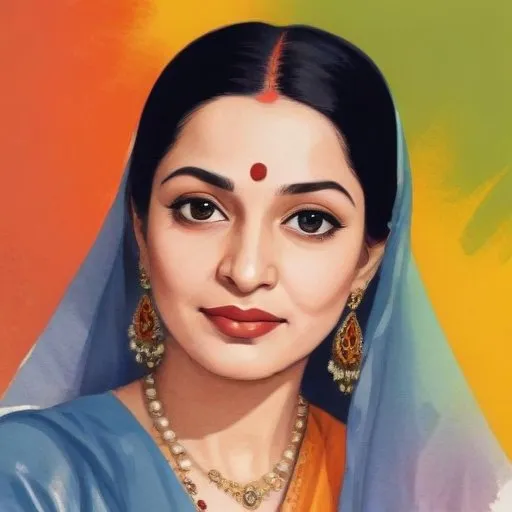
Sitara Devi: The Empress of Kathak Dance
A Life Dedicated to the Rhythms of Classical India
Sitara Devi, born Dhanlakshmi, was an Indian classical dancer, singer, and actress of the Kathak style, renowned for her mesmerizing performances and contributions to the world of Indian classical dance. With a career spanning over six decades, Devi was hailed as the "Nritya Samragni" or the Empress of Dance by the legendary
Rabindranath Tagore, and is widely regarded as the queen of Kathak dance.
Early Life and Training
Born on November 8, 1920, in Kolkata, Devi was named after the goddess of good fortune, Dhanlakshmi. Her family, of Brahmin heritage, had a rich cultural background, with her father, Sukhdev Maharaj, being a scholar of Sanskrit and a master of the Kathak dance form. Devi's mother, Matsya Kumari, was from a family of performing artists. From a young age, Devi was trained in the intricacies of Kathak dance by her father, who established a school to teach dance to children, including his own.
Award-Winning Performances and Career Highlights
Devi's impressive career was marked by numerous awards and accolades, including performances at prestigious venues such as the Royal
Albert Hall in London (1967) and Carnegie Hall in New York (1976). Her unique style, which combined the Benaras and Lucknow Gharana traditions, was characterized by naaz, nakhre, and nazakat (grace, charm, and delicacy).
Philosophical Contributions and Beliefs
Devi's approach to dance was deeply rooted in her philosophical beliefs. She believed that dance was not merely a form of entertainment, but a medium for spiritual expression and a way to connect with the divine. Her performances were often infused with a sense of devotion and reverence, reflecting her deep understanding of Indian classical music and dance traditions.
Influence on Modern Society and Legacy
Sitara Devi's impact on modern Indian society is multifaceted. She played a significant role in popularizing Kathak dance, inspiring generations of dancers and artists. Her legacy extends beyond the realm of dance, as she embodied the values of discipline, dedication, and passion, inspiring individuals from various walks of life.
Comparative Analysis with Contemporaries
Devi's unique style and contributions to Kathak dance set her apart from her contemporaries. While other notable dancers of the time, such as Rukmini Devi Arundale, focused on the revival of Bharatanatyam, Devi's work was instrumental in popularizing Kathak dance and its traditions.
Personal Milestones and Key Life Events
Devi's life was marked by significant personal milestones, including her meeting with Rabindranath Tagore, who recognized her talent and potential at a young age. Her father's influence and support played a crucial role in shaping her early years as a dancer.
Quotes and Memorable Sayings
Devi's words of wisdom continue to inspire generations of dancers and artists. One of her most notable quotes is, "Dance is not just a form of entertainment, but a way to connect with the divine."
Awards and Honors
Devi's contributions to Indian classical dance were recognized with numerous awards and honors, including the Sangeet Natak Akademi Award, the Padma Shri, and the Padma Bhushan.
Visual Timeline and Milestones
- 1920: Born in Kolkata on November 8
- 1930s: Begins training in Kathak dance under her father's guidance
- 1936: Performs for Rabindranath Tagore, earning the title "Nritya Samragni"
- 1967: Performs at the Royal Albert Hall in London
- 1976: Performs at Carnegie Hall in New York
- 1980s: Continues to perform and teach Kathak dance
- 2014: Passes away on November 25, leaving behind a legacy in the world of Indian classical dance
Trivia and Fun Facts
- Devi's father, Sukhdev Maharaj, was a scholar of Sanskrit and a master of Kathak dance.
- Devi's unique style combined the Benaras and Lucknow Gharana traditions.
- She was married at the age of eight, as was the custom at the time.
Conclusion
Sitara Devi's life and legacy serve as a testament to the power of dedication, passion, and hard work. As the Empress of Kathak dance, she continues to inspire generations of dancers, artists, and individuals from various walks of life. Her contributions to Indian classical dance are immeasurable, and her influence will be felt for years to come.