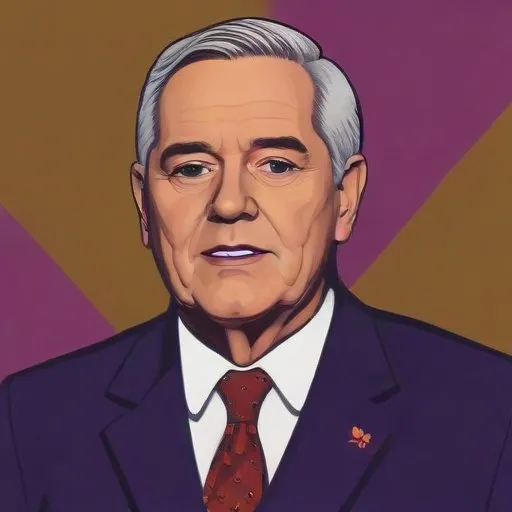
Stanley Argyle: The Visionary Radiologist and Premier of Victoria
Stanley Argyle, a renowned Australian radiologist and politician, is best known for serving as the Premier of Victoria from 1932 to 1935 and leading the Nationalist Party and United Australia Party from 1930 until his death in 1940. With a remarkable career spanning multiple fields, Argyle left an indelible mark on Australia's political, medical, and social landscape.
Early Life and Education
Born on December 4, 1867, in Kyneton, Colony of Victoria, Argyle was the son of Edward Argyle, a grazier from England, and Mary Clark. He received his education at the Kyneton School, Hawthorn Grammar School, and Brighton Grammar School before attending Trinity College at the University of Melbourne, where he graduated in medicine. He furthered his studies in bacteriology at Kings College London.
Medical Career and Pioneering Radiology
Argyle's medical career took him to general practice in Kew, where he later became a pioneer of radiology in Australia. During World War I, he served as a consultant radiologist to the Australian Imperial Force in Egypt, France, and England, earning the rank of Lieutenant-Colonel. Upon his return to Australia in 1917, he resumed his medical practice at the Alfred Hospital in Melbourne.
Political Career and Rise to Premier
Argyle's entry into politics began with his election to the Victorian Legislative Assembly for the seat of Toorak as an independent Nationalist in 1920. He went on to hold various ministerial positions, including Chief Secretary and Minister for Health, between 1923 and 1928. In 1930, he became the leader of the Nationalist Party, which was later renamed the United Australia Party (UAP) in 1931. Argyle led the opposition to Ned Hogan's minority Labor Party government, which was ultimately defeated in the 1932 elections. He formed a coalition government with the Country Party, led by Allan and later by Albert Dunstan.
Leadership and Legacy
As Premier of Victoria, Argyle played a crucial role in shaping the state's response to the Great Depression. His government's efforts focused on mitigating the effects of the economic downturn, and he successfully implemented various initiatives to stimulate economic growth. Argyle's leadership and vision earned him widespread recognition, and he remains one of the most notable figures in Victoria's political history.
Awards and Honors
In recognition of his outstanding contributions to medicine and politics, Argyle was appointed a Knight Commander of the Order of the British Empire (KBE) in 1933.
Personal Milestones and Key Life Events
- Married twice, first to Margaret Isabella née Clark in 1901, and then to Gwendolyn née Owen in 1917
- Served as mayor of Kew from 1903 to 1905
- Invested in the pasteurization of milk and citrus growing
Philosophical Contributions and Beliefs
Throughout his life, Argyle was driven by a strong sense of public service and a commitment to improving the lives of Victorians. His leadership was marked by a pragmatic approach, focusing on finding solutions to the challenges faced by the state during the Great Depression.
Impact on Modern Society
Argyle's legacy extends far beyond his political career. He played a pivotal role in shaping the development of radiology in Australia, and his pioneering work in the field paved the way for future generations of medical professionals. His contributions to Victoria's response to the Great Depression continue to serve as a model for effective governance during times of crisis.
FAQ
What were Stanley Argyles key achievements as Premier of Victoria?
Stanley Argyle was a significant figure in Victorian politics, and he achieved several key milestones during his time as Premier. He implemented a range of economic reforms, invested in infrastructure development, and promoted the growth of industry and trade.
How did Stanley Argyles policies impact the development of Victoria?
Stanley Argyles policies had a profound impact on the development of Victoria. He invested in education, healthcare, and infrastructure, and his policies helped to drive economic growth and development in the state.
What were Stanley Argyles views on federalism and Australian politics?
Stanley Argyle was a strong supporter of federalism and played a key role in shaping Australian politics. He believed in the importance of cooperation between the states and the Commonwealth, and he worked tirelessly to promote the interests of Victoria.
How did Stanley Argyles leadership style shape his approach to governance?
Stanley Argyles leadership style was characterized by his strong sense of vision, his ability to build coalitions, and his commitment to democratic values. He was a pragmatic leader who was willing to listen to different perspectives and to work across party lines.
What is Stanley Argyles legacy in Australian politics?
Stanley Argyles legacy in Australian politics is that of a visionary leader who played a key role in shaping the development of Victoria and the country as a whole. His commitment to public service, his strong leadership, and his policy achievements continue to inspire Australians today.