


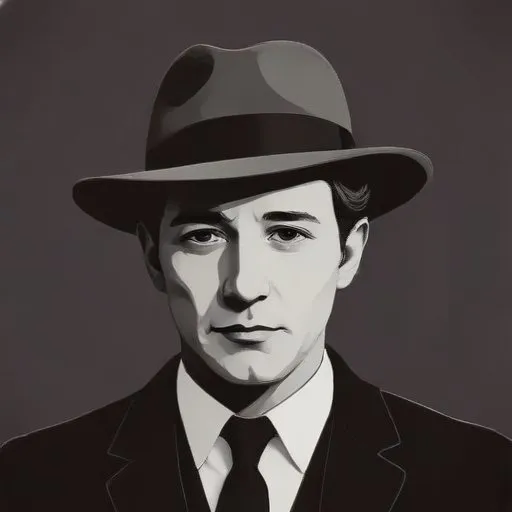
Folklorist and activist who infiltrated the Ku Klux Klan, exposing their secrets and helping to dismantle the organization through his writings and collaborations with authorities.
Stetson Kennedy, an American author and folklorist, is best known for his daring infiltration of the Ku Klux Klan in the 1940s, exposing its secrets to authorities and the outside world. This courageous act led to the revocation of the KKK's national corporate charter by the state of Georgia in 1947, marking a significant milestone in the fight against racial hatred and oppression.
Kennedy was born on October 5, 1916, in Jacksonville, Florida, to a wealthy and aristocratic Southern family. His views on race relations were deeply influenced by his family's black maid, Flo, who was brutally beaten and raped by local Klan members for "sassing" a white bus driver. This traumatic event, which Kennedy witnessed as a child, instilled in him a strong sense of justice and a determination to challenge the status quo.
Kennedy's passion for folklore and cultural heritage led him to become one of the pioneering folklore collectors of the 20th century. He spent years collecting and documenting Florida's rich cultural heritage, writing poetry and recording oral histories. His work in folklore was closely tied to his activism, as he believed that understanding and preserving cultural traditions was essential to promoting social justice and human rights.
In the 1940s, Kennedy embarked on a daring mission to infiltrate the Ku Klux Klan, posing as a white supremacist and gathering intelligence on the organization's activities and secrets. He worked closely with authorities, providing them with crucial information that ultimately led to the revocation of the KKK's charter. Kennedy's bravery and cunning exposed the KKK's true nature to the world, earning him both acclaim and death threats.
Kennedy wrote or co-wrote ten books, including Palmetto Country, a celebration of Florida's cultural heritage, and I Rode with the Ku Klux Klan, an account of his infiltration of the KKK. His writing was marked by a deep sense of empathy and a commitment to social justice, reflecting his experiences as a folklorist, activist, and human rights advocate.
Stetson Kennedy's legacy extends far beyond his literary and folkloric achievements. His courageous activism and dedication to social justice have inspired generations of social reformers, civil rights activists, and human rights advocates. As we continue to grapple with the shadows of racial hatred and oppression, Kennedy's story serves as a powerful reminder of the importance of standing against injustice, even in the face of danger and adversity.
"At a very tender age, I became aware that grown-ups were lying about a whole lot more than Santa Claus." - Stetson Kennedy, reflecting on his childhood and the Klan's claims of being Christian patriots.
Born in 1891
A celebrated author and anthropologist who explored African-American culture through novels, stories, and folklore, particularly in the rural South during the early 20th century.
Born in 1902
A renowned poet, novelist, and playwright who powerfully voiced the experiences and struggles of African Americans during the Harlem Renaissance, using jazz and blues rhythms to convey the spirit of his people.
Born in 1903
A prominent figure of the Harlem Renaissance, he crafted poignant poetry and novels that explored the African American experience, earning a lasting legacy in American literary history.
Born in 1894
A leading figure of the Harlem Renaissance, he wrote poetry and novels that explored the African American experience, blending modernist and jazz-age styles. His work is a testament to the era's vibrant cultural rebirth.
89 Years Old
Award-winning author of novels and non-fiction books, exploring themes of Canadian identity, history, and social issues. Known for his thought-provoking and engaging storytelling style.
Born in 1924
A renowned African American writer and civil rights activist, known for exploring the experiences of black Americans through novels, essays, and poetry that probe issues of race, identity, and social justice.
Born in 1914
A pioneering African American writer who explored the complexities of race and identity through his novels, particularly the classic "Invisible Man".
Born in 1909
A celebrated author of short stories and novels, known for capturing the essence of Southern American life and culture through her vivid, poignant, and often humorous writing.
