


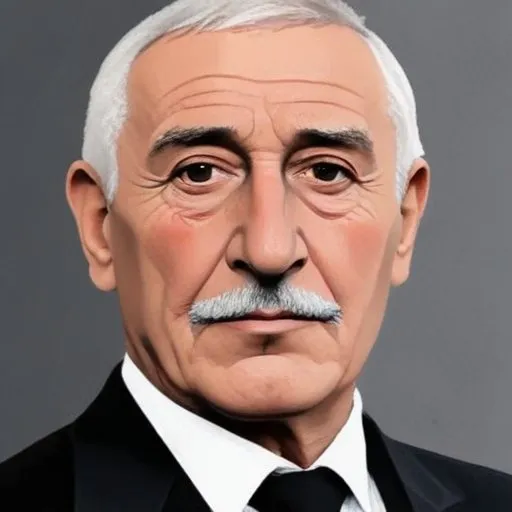
A Serbian writer and social reformer, known for his humorous and satirical short stories that critiqued the social norms of his time. His works often explored themes of love, morality, and the human condition.
Stevan Sremac is revered as one of the most beloved and humorous Serbian writers, leaving an indelible mark on the country's literary landscape. His works, characterized by local colouring, realism, humour, and satire, have captivated readers for generations, earning him a permanent place in the annals of Serbian literature.
Born on November 11, 1855, in Senta, a town in the Baka region of Serbia, Sremac was of Aromanian ancestry. After losing his parents at a young age, he moved to Belgrade to pursue his education. It was during his university days that he developed a passion for history and philosophy, which would later influence his writing style.
In 1878, Sremac graduated from Belgrade's Grande cole Velika kola with a degree in philosophy and history. He went on to become a teacher, working in cities across southern Serbia, including Pirot, Niš, and Belgrade. His teaching career was marked by a unique ability to form close bonds with his students, earning him immense respect and admiration. During this period, he also participated in the 1876 and 1877-1878 wars as a volunteer, showcasing his patriotic spirit.
Sremac's literary reputation was established relatively late, in 1890, with the publication of his novelized chronicles of events and personages from Serbian history. His works, including Boina pećnica (1893), Ivkova slava (1895), and Zona Zamfirova (1906), were met with widespread acclaim, solidifying his position as a prominent Serbian writer. In 1906, he was elected a member of the Serbian Academy of Sciences and Arts, a testament to his contributions to Serbian literature.
Sremac's writing was deeply rooted in his philosophical beliefs, which were shaped by his academic background in history and philosophy. His works often satirized the social and political climate of his time, reflecting his strong nationalist sentiments and support for the Obrenović dynasty. As an activist of the Liberal party of Serbia, he was committed to promoting Serbian culture and identity.
Tragically, Sremac's life was cut short when he died of blood poisoning on August 13, 1906, in Sokobanja. Despite his untimely passing, his legacy endures, with his works continuing to delight readers and inspire new generations of writers. His unique blend of humour, realism, and satire has made him a beloved figure in Serbian literature, ensuring his place in the pantheon of Serbia's most revered writers.
Sremac's literary output is a testament to his boundless creativity and dedication to his craft. His works continue to captivate readers with their humor, wit, and insight into the human condition, making him an indispensable part of Serbia's rich cultural heritage.
Born in 1892
A Yugoslav writer who crafted poignant stories and poems that explored the human condition, earning him the Nobel Prize in Literature. His works continue to captivate readers with their emotional depth and historical significance.
Born in 1893
A Serbian poet and author who explored themes of identity, love, and war in his avant-garde works, blending elements of surrealism and futurism. His writing often reflected the turmoil of his homeland during World War I and the subsequent Yugoslav Wars.
