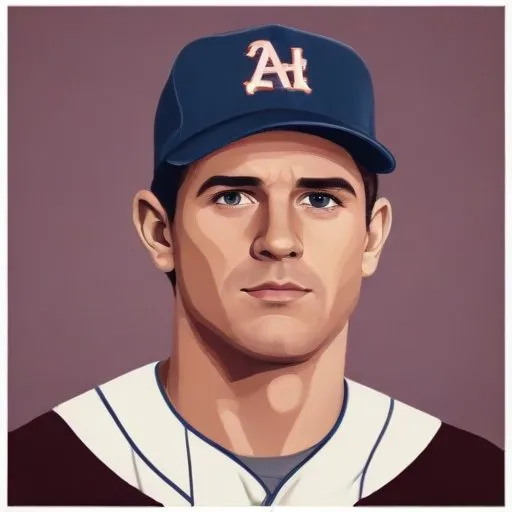
Steve Barber: The Pitching Prodigy of the Baltimore Orioles
Early Years and Rise to Prominence
Steve Barber, a luminary of the baseball world, is renowned for his extraordinary pitching skills that endeared him to fans and earned him a revered place in the annals of baseball history. As a left-handed pitcher, Barber's eight-year stint with the Baltimore Orioles (1960-1967) remains an integral part of his legacy, during which he established himself as a stalwart member of the "Kiddie Korps," a formidable pitching rotation that propelled the Orioles to unprecedented success.
Major League Career Highlights
Barber's impressive performance in his rookie season (1960) earned him a 10-7 record and a commendable 3.22 ERA, ranking sixth in the American League. The following year, he tied for the AL lead in shutouts with eight, boasting an 18-12 record and a 3.33 ERA. His crowning achievement came in 1963, when he became the first modern Orioles pitcher to win 20 games in a season, compiling a stellar 20-13 record, 180 strikeouts, and a 2.75 ERA. This remarkable feat earned him his first American League All-Star selection.
Awards and Honors
Barber's exceptional skills did not go unnoticed, as he was selected as an American League All-Star twice (1963 and 1966). Although tendinitis in his elbow prevented him from participating in the 1966 World Series, his contributions to the Orioles' championship season remain an indelible part of his legacy.
Personal Milestones and Key Life Events
Born on February 22, 1938, in Takoma Park, Maryland, Barber graduated from
Montgomery Blair High School in Silver Spring, Maryland, in 1956. He signed with the Orioles in 1957, marking the beginning of his illustrious career.
Philosophical Contributions and Beliefs
Barber's nonconformist approach to baseball was evident in his decision to wear the number 13, defying the superstition associated with the number. This bold move demonstrated his confidence and individuality, setting him apart from his contemporaries.
Controversies and Public Perception
Despite his impressive statistics, Barber's later years were marred by arm injuries, which significantly impacted his performance. His subsequent struggles led to a decline in his pitching prowess, resulting in a 26-31 record for the remainder of his 15-year career.
Historical Context and Legacy
Steve Barber's remarkable career serves as a testament to his dedication, perseverance, and natural talent. His contributions to the Orioles' success during the 1960s, coupled with his trailblazing spirit, have cemented his place in the pantheon of baseball legends.
Trivia and Fun Facts
- Barber wore the number 13 throughout his career, including during his stint with the Seattle Pilots.
- He led the American League in walks (113) and wild pitches (10) in his rookie season.
Impact on Modern Society
Steve Barber's impressive career and unwavering commitment to his craft have inspired generations of baseball enthusiasts and players alike. His pioneering spirit and achievements continue to resonate with fans, making him a beloved figure in the world of baseball.
FAQ
What teams did Steve Barber play for in his MLB career?
Steve Barber played for the Baltimore Orioles, New York Yankees, and Chicago White Sox from 1960 to 1974, earning an All-Star selection in 1963.
What was Steve Barbers pitching style?
Steve Barber was a left-handed pitcher known for his sharp curveball and pinpoint control, which earned him a reputation as one of the American Leagues top pitchers in the early 1960s.
Did Steve Barber have any notable achievements in his career?
Yes, Steve Barber won 20 games in 1963, led the American League in strikeouts in 1964, and was a key member of the Orioles 1966 World Series championship team.
What was Steve Barbers post-playing career like?
After retiring from baseball, Steve Barber worked as a pitching coach for several teams, including the Orioles and Yankees, and later operated a baseball academy in Florida.
Is Steve Barber a member of the Orioles Hall of Fame?
Yes, Steve Barber was inducted into the Baltimore Orioles Hall of Fame in 1982, recognizing his contributions to the teams success during the 1960s.