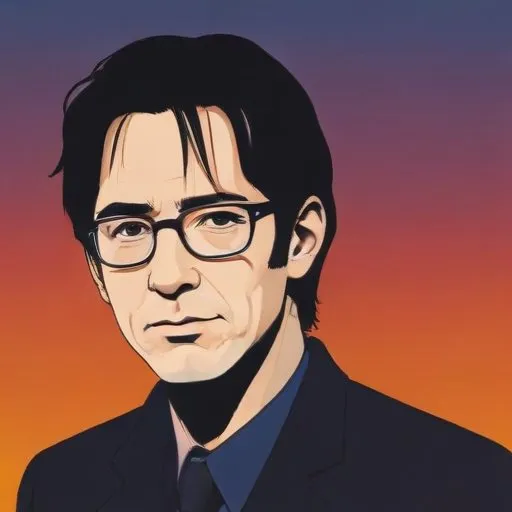
Stuart Rosenberg: The Visionary Director Behind Iconic Films
A Legacy of Cinematic Storytelling
Stuart Rosenberg, an American film and television director, left an indelible mark on the cinematic landscape with his diverse range of works, from gritty dramas to chilling horror flicks. His most notable films, including
Cool Hand Luke (1967),
Voyage of the Damned (1976),
The Amityville Horror (1979), and
The Pope of Greenwich Village (1984), showcase his incredible talent for crafting compelling narratives that continue to captivate audiences to this day.
Early Beginnings in Television
Rosenberg's journey in the film industry began in the 1950s, where he started as a film editor before transitioning to directing television episodes. His early work on shows like
Decoy (1957-1959) and
Naked City (1958-1963) demonstrated his ability to helm gripping stories that explored the human condition.
Breakthrough in Film
Rosenberg's big break in film came with the critically acclaimed
Cool Hand Luke, starring
Paul Newman. The film's success catapulted Rosenberg to prominence, earning him recognition as a director capable of extracting powerful performances from his actors. This marked the beginning of a long-term collaboration with Newman, who would go on to star in several of Rosenberg's films.
Award-Winning Directing
Throughout his career, Rosenberg won numerous awards for his directing prowess, including an Emmy Award for his work on
The Defenders in 1963. His ability to balance style and substance earned him a reputation as a master storyteller, capable of navigating complex themes and genres with ease.
Influence on Modern Cinema
Rosenberg's influence on modern cinema is undeniable. His work on
The Amityville Horror, a horror classic that spawned a successful franchise, paved the way for future horror directors. Moreover, his collaboration with Paul Newman on
Cool Hand Luke and
The Pope of Greenwich Village showcased the actor's range and cemented their partnership as one of the most iconic director-actor duos in Hollywood history.
Personal Milestones and Legacy
Born on August 11, 1927, Rosenberg's life was marked by a passion for storytelling and a dedication to his craft. His passing on March 15, 2007, left a vacuum in the film industry, but his legacy lives on through his remarkable body of work. Rosenberg's films continue to inspire new generations of filmmakers and audiences alike, ensuring his place in the annals of cinematic history.
Filmography Highlights
- Cool Hand Luke (1967)
- Voyage of the Damned (1976)
- The Amityville Horror (1979)
- The Pope of Greenwich Village (1984)
- Murder, Inc. (1960)
- Question 7 (1961)
- Memorandum for a Spy (1965)
- Fame Is the Name of the Game (1966)
- The April Fools (1969)
- Brubaker (1980)
Rosenberg's remarkable career serves as a testament to his boundless creativity, dedication to his craft, and ability to leave an indelible mark on the world of cinema. His films continue to captivate audiences, inspiring new generations of filmmakers to follow in his footsteps.
FAQ
What was Stuart Rosenbergs directorial debut?
Stuart Rosenbergs directorial debut was the 1960 film Murder, Inc., a biographical crime drama starring Peter Falk and Joseph Campanella.
What was Stuart Rosenbergs most famous film?
Stuart Rosenbergs most famous film is arguably the 1967 drama Cool Hand Luke, starring Paul Newman as the titular character.
What kind of films did Stuart Rosenberg typically direct?
Stuart Rosenberg directed a range of films, including crime dramas, romantic comedies, and social commentary films, often exploring themes of justice and human relationships.
Who were some of Stuart Rosenbergs frequent collaborators?
Stuart Rosenberg frequently collaborated with actors Paul Newman, Peter Falk, and Lee Marvin, as well as screenwriter Frank Pierson.
What awards did Stuart Rosenberg win for his directing?
Stuart Rosenberg won several awards for his directing, including a Directors Guild of America Award and a National Society of Film Critics Award.