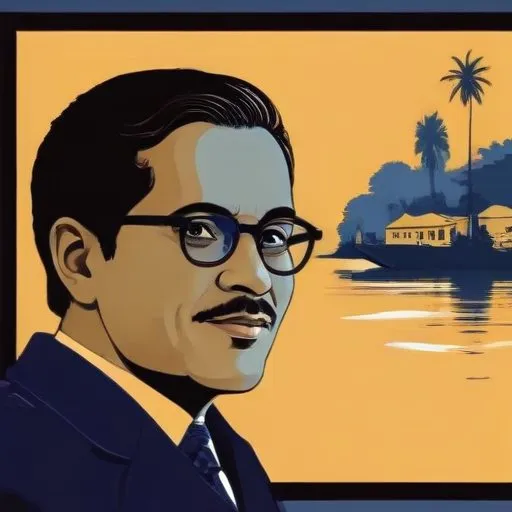
Taraki Sivaram: The Fearless Voice of Sri Lankan Journalism
A Career Marked by Controversy and Courage
Taraki Sivaram, a renowned Tamil journalist from Sri Lanka, is best known for his fearless reporting on the Sri Lankan civil war and his unwavering commitment to exposing the truth, even in the face of danger. As a senior editor for Tamilnet.com, Sivaram's insightful analysis and bold commentary earned him both acclaim and enemies, ultimately leading to his tragic assassination in 2005.
Early Life and Education
Born on August 11, 1959, in Batticaloa, Sri Lanka, Sivaram hailed from a prominent local family with significant land holdings and political connections. He received his education at St. Michael's College National School and later at Pembroke and Aquinas Colleges in Colombo. In 1982, he was accepted into the University of Peradeniya, but his academic pursuits were cut short due to the escalating tensions of the Sri Lankan civil war.
Political Activism and Militancy
Sivaram's involvement in politics began in 1982 when he joined the Gandhian Movement, a front organization for the Peoples Liberation Organisation of Tamil Eelam (PLOTE). He soon became a PLOTE militant, taking on the alias SR. In 1988, PLOTE's leader, Uma Maheswaran, appointed Sivaram General Secretary of the Democratic People's Liberation Front (DPLF), the organization's registered political party. However, Sivaram left PLOTE in 1989, citing disagreements with Maheswaran's attempts to establish relations with the Janatha Vimukthi Peramuna (JVP) and the group's involvement in an abortive coup in the Maldives.
A Life of Journalism and Activism
Sivaram's career as a journalist began in 1988, encouraged by fellow journalist, activist, and actor
Richard De Zoysa. He went on to become a prominent voice in Sri Lankan journalism, known for his incisive analysis and fearless reporting on the civil war. Sivaram's work often criticized the government's human rights abuses and exposed the atrocities committed by both the government and the Liberation Tigers of Tamil Eelam (LTTE).
Assassination and Legacy
On April 28, 2005, Sivaram was kidnapped by four men in a white van in front of the Bambalapitya police station. His body was found the next day, brutally beaten and shot in the head, in the district of Himbulala, near the Parliament of Sri Lanka. Sivaram's assassination sent shockwaves through the international community, with many condemning the brutal silencing of a courageous journalist. Despite his untimely death, Sivaram's legacy continues to inspire journalists and activists around the world, serving as a testament to the power of fearless reporting in the face of adversity.
Personal Life and Family
Sivaram married Herly Yogaranjini Poopalapillai of Batticaloa in 1988, and the couple had three children: Vaishnavi, Vaitheki, and Seralaathan.
Timeline of Key Events
- August 11, 1959: Taraki Sivaram born in Batticaloa, Sri Lanka
- 1982: Joins the Gandhian Movement and becomes a PLOTE militant
- 1988: Appointed General Secretary of the Democratic People's Liberation Front (DPLF)
- 1989: Leaves PLOTE due to disagreements with Uma Maheswaran
- 1988: Begins career as a journalist, encouraged by Richard De Zoysa
- April 28, 2005: Kidnapped and assassinated in front of the Bambalapitya police station
Impact and Legacy
Taraki Sivaram's unwavering commitment to truth and his fearless reporting in the face of danger have inspired generations of journalists and activists. His legacy serves as a powerful reminder of the importance of a free press in holding those in power accountable for their actions. Despite his tragic assassination, Sivaram's work continues to be a beacon of hope for those fighting for justice and human rights in Sri Lanka and around the world.
FAQ
What is Taraki Sivarams journalism career?
Taraki Sivaram was a Sri Lankan journalist and author, known for his coverage of the Sri Lankan Civil War and his critical reporting on the government.
What was Taraki Sivarams writing style?
Taraki Sivarams writing style was known for its incisive commentary and in-depth analysis of Sri Lankan politics and society.
What is Taraki Sivarams most notable work?
Taraki Sivarams most notable work is his book War and Peace in Sri Lanka, which provides a critical analysis of the Sri Lankan Civil War.
What awards did Taraki Sivaram receive?
Taraki Sivaram received several awards, including the Journalist of the Year award from the Sri Lankan Journalists Association.
What is Taraki Sivarams legacy?
Taraki Sivarams legacy is one of courage and commitment to freedom of expression, and his work continues to inspire journalists and human rights activists around the world.