


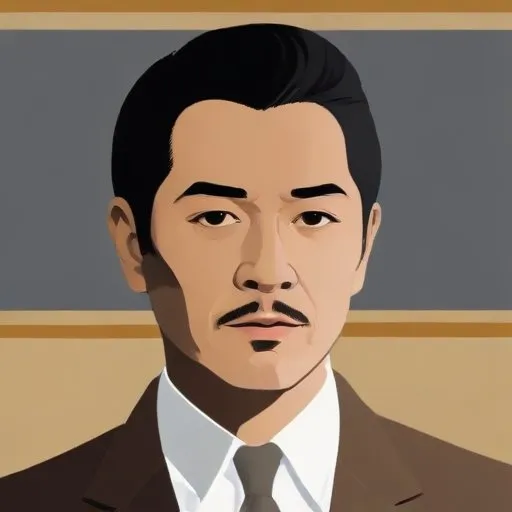
A pioneering figure in Japanese avant-garde theatre and cinema, known for pushing boundaries with provocative and erotic works that challenged social norms. 18
Tetsuji Takechi, a Japanese theatrical and film director, critic, and author, is renowned for his groundbreaking work in experimental kabuki plays, innovative theatrical productions, and controversial yet influential films that pushed the boundaries of censorship in Japan. He is often regarded as "The Father of Pink" and "The Father of Japanese Porn" for his pioneering efforts in the pink film industry.
Takechi was born Tetsuji Kawaguchi on December 10, 1912, in Osaka, Japan, to a wealthy industrialist family. He pursued his higher education in economics at Kyoto National University, graduating in 1936.
In the 1940s and 1950s, Takechi gained prominence as a theatrical critic, offering insightful reviews that resonated with the Japanese audience. During this period, he also began producing experimental kabuki plays that blended traditional elements with modern twists, earning him critical acclaim and a loyal following.
In the mid-1950s, Takechi ventured into television, hosting a popular TV program, "The Tetsuji Takechi Hour," which showcased his reinterpretations of Japanese stage classics. He continued to innovate in the realm of noh, kyogen, and modern theater, cementing his reputation as a visionary director.
In the 1960s, Takechi made a controversial foray into filmmaking, producing softcore theatrical pornography that sparked a heated debate over censorship in Japan. His 1964 film, Daydream, was the first big-budget, mainstream pink film released in Japan, and its success paved the way for a wave of pink films that dominated Japan's domestic cinema in the following decades.
Takechi's 1965 film, Black Snow, led to his arrest on indecency charges, sparking a public battle over censorship between Japan's intellectuals and the government. Takechi's eventual victory in the lawsuit enabled the proliferation of pink films and earned him his infamous monikers, "The Father of Pink" and "The Father of Japanese Porn."
Takechi's film career slowed down in the 1970s, but he made a comeback in the 1980s, remaking Daydream twice, starring actress Kyko Aizome in both films. The first remake, released in 1981, is considered the first theatrical hardcore pornographic film in Japan.
Although Takechi is largely unknown in Japan today, his contributions to Japanese cinema and theater are undeniable. His innovative spirit and relentless pursuit of artistic expression continue to inspire generations of artists and filmmakers, solidifying his place as a legendary figure in Japanese cultural history.
Takechi's work and legacy continue to influence Japanese popular culture, filmmaking, and theater. His battles against censorship paved the way for greater creative freedom in Japan, and his innovative spirit inspires artists and filmmakers to push the boundaries of artistic expression.
Born in 1910
A visionary filmmaker who crafted visually stunning and emotionally resonant movies that explored humanity, often blending Japanese culture with Western influences. His works continue to inspire generations of filmmakers and artists.
Born in 1898
A pioneering filmmaker celebrated for his poignant and visually stunning portrayals of Japanese women's lives, exploring themes of social injustice and personal struggle.
Born in 1905
A pioneering filmmaker of Japanese cinema, known for poignant and nuanced portrayals of women's lives and struggles in post-war Japan.
Born in 1915
A renowned filmmaker behind iconic Japanese movies, including "The Burmese Harp" and "Fires on the Plain", known for his visually stunning and emotionally powerful storytelling.
